

Published Jul 09, 2026 | 5:48 PM ⚊ Updated Jul 09, 2026 | 5:48 PM

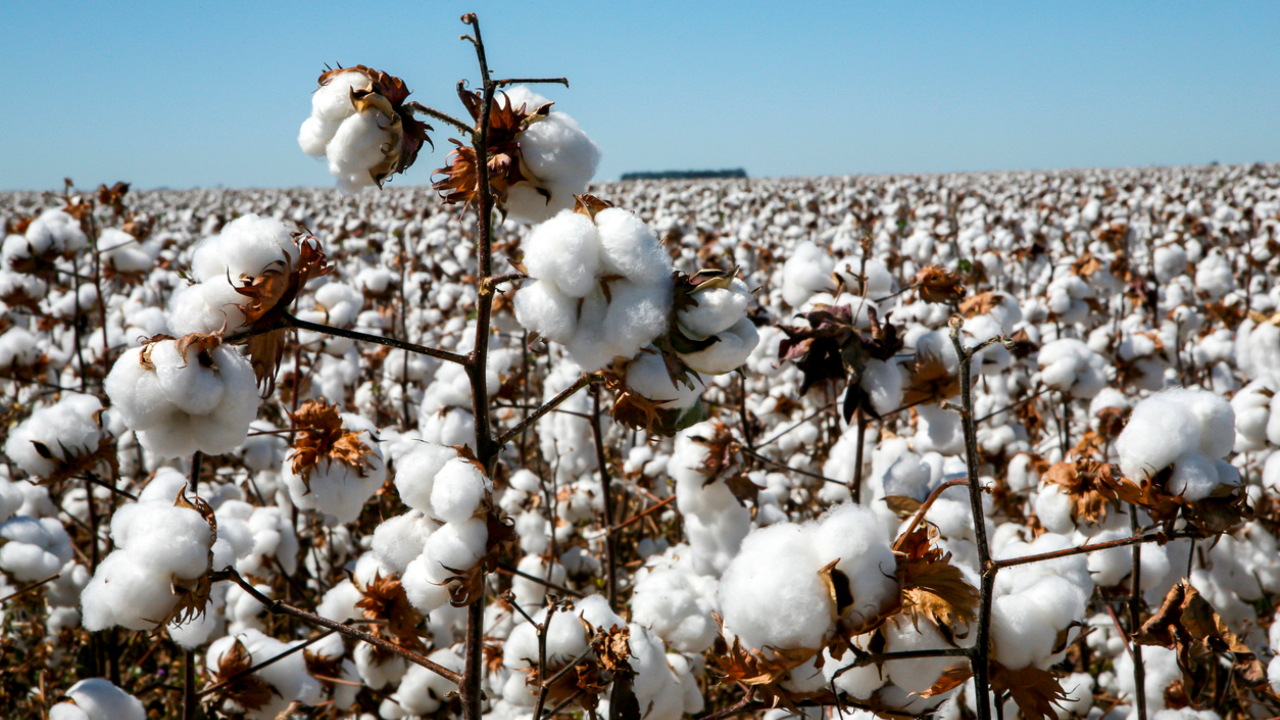
Telangana targets cultivation across approximately 134-135 lakh acres during Kharif 2026, with cotton alone aiming for around 52 lakh acres.

Synopsis: In Telangana’s arid expanses, where every drop of water counts, the current skew toward cotton over pulses highlights both adaptation and vulnerability. Policymakers, extension services, and farmers must collaborate to ensure this Kharif does not exacerbate rural inequities. Sustainable prospects demand not just rain, but smarter sowing, better timing, and resilient choices.
As the 2026 southwest monsoon grapples with the shadow of El Niño, Telangana’s agrarian landscape presents a striking paradox. Despite the state’s predominantly rainfed tracts spanning vast arid and semi-arid zones, sowing of traditional moisture-sensitive rainfed crops like pulses has been conspicuously sluggish.
In contrast, cotton acreage appears relatively resilient, reflecting farmers’ calculated bets on market returns, abundant seed availability, and the crop’s relative drought tolerance. This season’s farm prospects hinge on the interplay of erratic rainfall patterns, government contingency planning, and adaptive cropping strategies.
Telangana’s agriculture remains the backbone of its rural economy, with the Kharif (monsoon) season contributing significantly to food security, farmer incomes, and state GDP. The state targets cultivation across approximately 134-135 lakh acres during Kharif 2026, with cotton alone aiming for around 52 lakh acres. Major crops include paddy (rice), cotton, maize, pulses (red gram, green gram, black gram), oilseeds like soybean, and millets.
Also Read: Why Telangana has reasons to fear likely “super” El Niño
Historically, rainfed areas—dominant in districts like Adilabad, Nirmal, Komaram Bheem Asifabad, Mahabubnagar, and parts of Rangareddy—have relied on pulses and oilseeds for their lower water footprint and short duration.
However, the 2026 monsoon has unfolded unevenly. The India Meteorological Department (IMD) predicted below-normal rainfall (around 92% of the long-period average) amid emerging El Niño conditions, which often suppress monsoon activity.
Early June saw a sharp deficit—up to 40-43% nationally, with Telangana experiencing delayed and patchy showers. The monsoon advanced into the state around mid-June, but widespread rains in the last week of June helped narrow the cumulative deficit, bringing seasonal precipitation closer to normal in many areas.
Yet, the damage from timing and variability was already done: prolonged dry spells delayed land preparation and sowing.
As of late June 2026, overall Kharif sowing in Telangana lagged significantly, covering roughly 33 lakh acres compared to nearly 39 lakh acres in the year-ago period—a drop of about 15-48% depending on the exact reporting window. Total sown area hovered around 1.48 million acres at one point, far below the normal seasonal benchmark of over 13 million acres.
Pulses and other rainfed staples bore the brunt. National trends mirrored this, with pulses showing sharp declines in early sowing due to insufficient soil moisture in rainfed belts.
Scientists from the Centre for Sustainable Agriculture noted that erratic distribution—dry spells of 10-15 days post-sowing—has historically forced re-sowing and yield losses in pulses, soybean, maize, and even cotton.
This hesitation on pulses is telling. Pulses like red gram (pigeon pea), green gram, and black gram are staples for soil health (nitrogen fixation), dietary protein, and risk diversification in arid zones. They require less water and mature faster, making them ideal contingency crops. Yet, farmers appear wary.
Reasons include uncertain rainfall onset, fears of prolonged mid-season dry spells during critical growth phases (flowering and pod formation), and relatively lower immediate market incentives compared to cash crops. Government advisories have actively promoted these short-duration options under contingency plans for scenarios with no rain till July 15, 30, or mid-August.
Awareness campaigns in northern districts emphasise shifting from water-guzzling paddy to pulses, soybean, pearl millet, sorghum, and millets.
Paddy sowing, meanwhile, faces explicit discouragement in non-command areas. With reservoirs like Singur and Srisailam at low levels and irrigation uncertainties amplified by El Niño, the state is pushing “profitable paddy” only in assured canal-irrigated zones while urging diversification elsewhere. This aligns with broader concerns over groundwater depletion and power costs for borewells in rainfed regions.
Also Read: Farm ponds rekindle farmers’ hopes in water-scarce villages
Cotton’s relative dominance stands out. Despite national declines in early cotton sowing, Telangana shows resilience. Targets remain ambitious at around 52 lakh acres, with seed availability more than double the requirement (over 212 lakh packets against 104 lakh needed).
As of late June, cotton accounted for a significant share of sown area—around 42% in some reports—with progress in districts like Nalgonda, Sangareddy, and Rangareddy offsetting lags elsewhere. Cotton’s deeper root system offers better drought resilience once established, and strong MSP/procurement expectations, export demand, and textile sector linkages make it attractive.
Farmers in black cotton soils of Adilabad and other tracts are banking on it, even as overall acreage trails last year slightly in some snapshots. Varietal focus includes high-yielding Bt and non-Bt options suited to rainfed conditions.
Also Read: Alarming decline in groundwater levels in Telangana
Challenges abound. Rainfall variability—rather than just quantity—is the new normal, disrupting germination and increasing pest risks (E.g., pink bollworm in cotton). Input costs (seeds, fertilisers, pesticides) remain high, while credit access and insurance penetration need strengthening. Soil moisture deficits early in the season, even if root-zone levels later normalised in parts of Telangana, have already shifted farmer behaviour.
Government response has been proactive. Seed stocks are ample (nearly double the requirement overall), with emphasis on quality and anti-spurious drives. Contingency plans, green manure distribution, nano-urea promotion, and district-specific advisories aim to build resilience.
A high-level committee under Chief Minister A Revanth Reddy focuses on streamlining from sowing to procurement. Long-term investments in watershed management, micro-irrigation, and climate-resilient varieties (millets, short-duration pulses) are critical.
Prospects for the season remain cautiously optimistic but hinge on July-August rainfall distribution. If the monsoon normalises spatially and temporally, cotton could deliver decent returns, pulses may catch up in late sowing windows, and overall output could stabilise. A further deficit risks widespread stress, lower yields, and distress migration.
For Telangana’s small and marginal farmers—who dominate rainfed zones—the season underscores the urgent need for diversified, low-risk farming systems amid climate change.
In arid expanses where every drop counts, the current skew toward cotton over pulses highlights both adaptation and vulnerability. Policymakers, extension services, and farmers must collaborate to ensure this Kharif does not exacerbate rural inequities. Sustainable prospects demand not just rain, but smarter sowing, better timing, and resilient choices.
(Edited by Majnu Babu).



