
Published Aug 20, 2026 | 7:00 PM ⚊ Updated Aug 20, 2026 | 7:00 PM

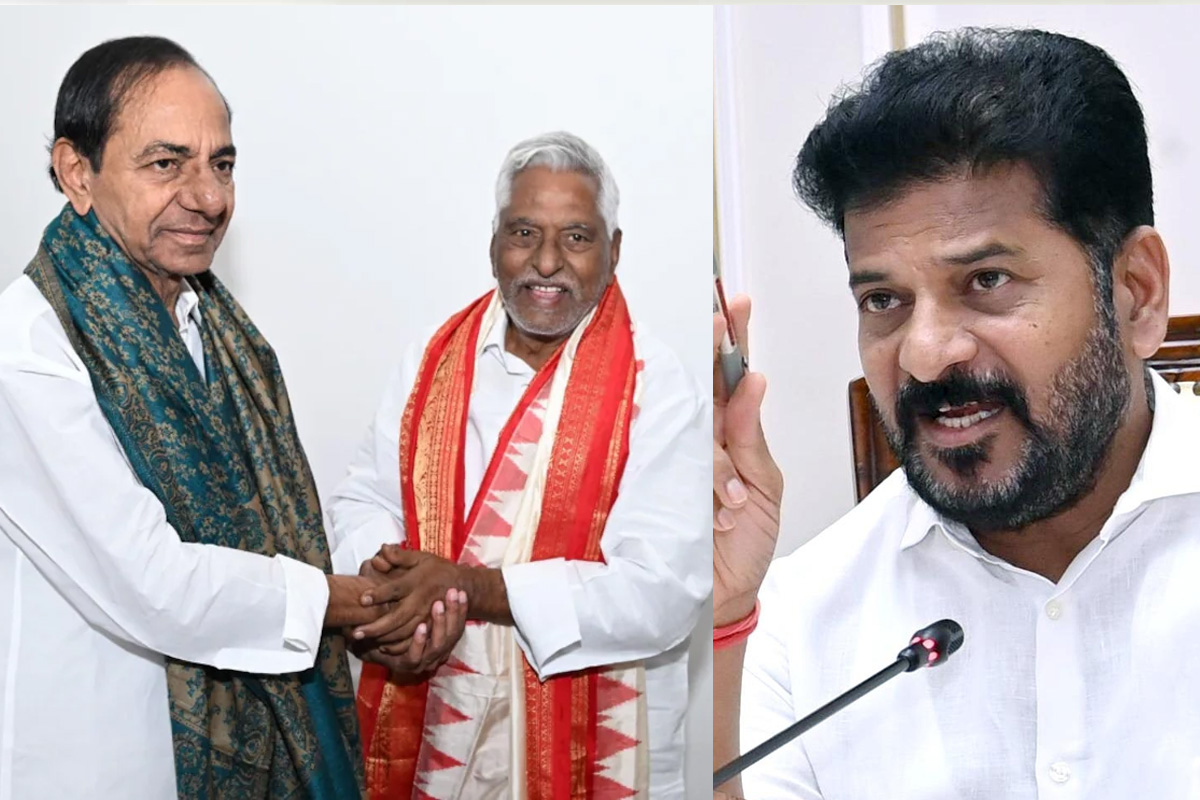
BRS chief K Chandrashekar Rao, T Jeevan Reddy and Telangana CM Revanth Reddy.

Synopsis: Komatireddy Rajagopal Reddy and Konda Surekha taking on the Telangana government are the latest signs of growing strains within the Telangana Congress. For Chief Minister Revanth Reddy, the bigger challenge is to prevent the party from turning into its own Opposition.
The Telangana Congress faces a familiar ruling-party dilemma: it is spending more energy managing internal tensions than consolidating its political gains. Less than three years after ending the Bharatiya Rashtra Samiti’s (BRS) decade-long rule, it remains electorally strong, as shown in the 2026 local body elections. Yet factional disputes and competing power centres suggest the party is confusing electoral strength with political stability.
Internal strains are no longer subtle. Reports of a campaign against Telangana Pradesh Congress Committee president B Mahesh Kumar Goud in May brought organisational differences into the open and raised questions about coordination between the party and government. Although Goud denied a rift with Chief Minister A Revanth Reddy and described AICC coordination efforts as strengthening unity, the need for such clarification itself reflects underlying tensions.
The Rajya Sabha nomination controversy involving Telangana in-charge Meenakshi Natarajan further exposed internal fault lines. The rejection of her nomination triggered allegations of a leak and speculation about rival factions within the State unit. While Revanth Reddy blamed the BJP, the episode highlighted how easily internal communication breakdowns can turn into political suspicion.
Uncertainty over Cabinet expansion and organisational reshuffles has added to the instability. Leaders continue to lobby in Delhi for positions, while speculation over appointments keeps factions active and alert. Proposals to assign senior Ministers All India Congress Committee roles have further complicated internal calculations, turning every vacancy into a factional contest.
Discontent within the party’s old guard is another concern. T Jeevan Reddy’s exit after four decades in the Congress, followed by his move towards the BRS, reflects tensions created by the absorption of leaders from rival parties. While defections have expanded the party’s base, they have also raised questions about the place of long-serving leaders in the new hierarchy.
The defection of BRS legislators has similarly become a double-edged development. While it has weakened the Opposition, it has also led to legal challenges, with petitions over ten alleged defectors pending before the Telangana High Court. What was meant to signal political expansion has instead created ongoing legal and political uncertainty.
At the same time, some Congress MLAs have begun voicing independent criticism of the government. Komatireddy Rajagopal Reddy’s remarks on corruption were quickly amplified by the BRS as evidence of internal discord. Regardless of interpretation, such statements make it harder for the government to dismiss criticism as purely Opposition-driven.
The controversy involving Minister Konda Surekha’s family has added to the strain. Comments by her daughter against the Chief Minister and a local MLA led to a disciplinary notice, once again pushing internal disagreements into public view.
Despite these issues, the Congress is not politically weak. Its strong performance in local body elections shows it retains a wide organisational network, while the BRS has not fully recovered from its 2023 defeat. The BJP also remains a competitor rather than a dominant alternative.
However, electoral strength can breed complacency. When a ruling party assumes the Opposition is too weak to exploit internal divisions, unresolved tensions tend to deepen.
For Revanth Reddy, the challenge is not just managing external rivals but preventing the Congress from becoming its own Opposition. Governance priorities — jobs, irrigation, infrastructure and investment — risk being overshadowed by disputes over posts, influence and organisational control.
The Congress came to power as an alternative to entrenched rule. It cannot afford to replicate the same patterns of internal fragmentation. While disagreements are natural in a large party, persistent public factionalism is not.
The party still has the numbers and political space to stabilise itself, but the opportunity is narrowing. If internal disputes continue to dominate its agenda, the real threat to its momentum may come not from the Opposition outside Gandhi Bhavan, but from within its own ranks.
Ultimately, the test for the Telangana Congress is whether it can translate electoral success into disciplined governance. That requires shifting focus from internal positioning to public delivery. In politics, overconfidence rarely appears suddenly — it begins with the belief that internal problems can always be dealt with later.
Also Read:
Promises kept, promises broken: How the Congress government in Telangana has fared
(Views are personal.)



