
Published Aug 14, 2026 | 5:38 PM ⚊ Updated Aug 14, 2026 | 5:38 PM

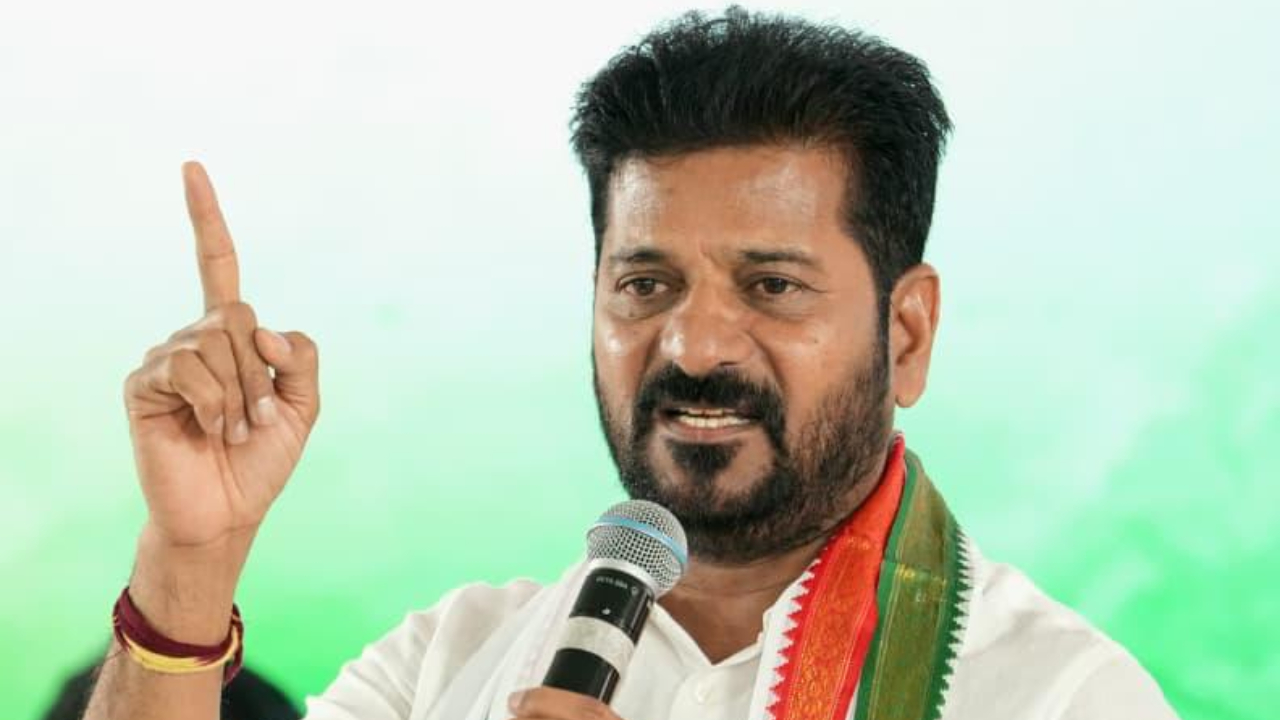
Telangana CM Revanth Reddy. Credit: x.com/revanth_anumula

Synopsis: The Congress government in Telangana has passed the halfway stage of its five-year term. As it passes this milestone, it has delivered some of its Six Guarantees. But many high-profile promises remain unfulfilled. A deeper dive.
Free buses for women are running every day. Gas cylinders sell at ₹500. Two hundred units of electricity come free. Health insurance covers ₹10 lakh. Crop loans worth more than ₹20,000 crore have been waived. Tens of thousands of government jobs have been filled. These are real gains delivered by the Congress government in Telangana.
Yet the same government has not paid the ₹2,500 monthly assistance to women. It has not raised pensions to ₹4,000. It has not given farmers the full ₹15,000 per acre it promised. It has not issued the ₹5-lakh education cards. And it has not introduced the ₹4,000 monthly unemployment allowance it pledged to the youth. Achievement and failure travel together. That is the unvarnished record of the 2023 Six Guarantees almost three years later.
The Six Guarantees formed the emotional core of the Congress campaign that defeated the BRS.
Mahalakshmi offered monthly cash, cheap gas and free bus travel to women. Rythu Bharosa promised substantial annual support to farmers, tenants and agricultural labourers along with a paddy bonus. Gruha Jyothi guaranteed free electricity. Indiramma Indlu committed house sites and construction assistance. Yuva Vikasam spoke of education cards, international schools and, crucially, jobs for the unemployed. Cheyutha raised pensions and health cover. Party leaders declared that these would be implemented within 100 days of forming the government. The deadline has long expired. The results remain partial.
What has been delivered is concrete and visible. Free travel for women began almost immediately and continues to move large numbers of people daily, cutting transport costs for households across the state. The gas subsidy and free electricity up to 200 units reached both urban and rural homes. Rajiv Aarogyasri was expanded to ₹10 lakh, improving access to serious medical treatment.
The crop-loan waiver, though executed in phases rather than as a single stroke, has transferred more than ₹20,000 crore to roughly 25 lakh farmers. On employment, the government has filled or advanced recruitment for around 60,000 to 70,000 posts, including teachers, police constables, nurses and other categories, with appointment letters distributed through job festivals. In the 2026-27 budget, it still allocated around ₹51,000 crore towards the guarantees, showing that welfare remains a central priority even while full implementation stays selective and staggered.
The unfinished business is equally concrete and politically costly. The monthly ₹2,500 to women under Mahalakshmi has not begun despite repeated assurances. Pensions have not been raised to the promised ₹4,000. The full annual support of ₹15,000 per acre and the assistance for agricultural labourers remain incomplete or only partially operational. The Vidya Bharosa card and the network of international schools are still on paper.
Housing under Indiramma Indlu has progressed from applications and verification to limited allotments, but the scale falls far short of the ambitious numbers floated during the campaign. Telangana movement fighters still await the 250-square-yard plots that were solemnly promised.
Unemployment remains one of the sharpest shortfalls.
The manifesto and the Hyderabad Youth Declaration promised to fill 2 lakh vacancies in the first year, release an annual job calendar, and provide a ₹4,000 monthly unemployment allowance to qualified youth until they found work. While recruitment has moved forward and some posts have been filled, the two-lakh target in the first year was not met.
A significant portion of the appointments completed so far relates to notifications initiated under the previous government. The unemployment allowance has not been introduced and was again omitted from the latest budget. For large numbers of educated youth, the promised support has not materialised.
The inheritance of debts is the explanation most often offered by the ruling party. The state carried a heavy debt load when power changed hands in December 2023. Fully funding every guarantee in one stroke would have required resources estimated by independent observers at well over ₹1 lakh crore annually. Phased implementation, the government argues, is the only responsible path under the circumstances. Critics reply that electoral promises were not presented as contingent on later fiscal reviews. They were presented as guarantees with a clear timeline. The distinction continues to shape public perception and political debate.
The result is a welfare continuum marked by sharp breaks.
Women who travel free and cook with cheaper gas experience measurable improvement in daily life. Farmers who received loan relief feel partial support. Those who secured government jobs benefit directly. Yet those still waiting for monthly cash transfers, higher pensions, education cards or unemployment allowance experience the opposite reality of delayed delivery. Public memory holds both outcomes at once. Opposition parties keep the unfulfilled list alive in every debate. The government keeps pointing to the schemes already running and the continuing budget allocations. Both sides are describing the same mixed record from different angles.
An objective reading leaves little room for pure celebration or pure condemnation. The Congress did not invent welfare politics in Telangana, but it raised the stakes with specific, high-visibility numbers and a hard deadline that it could not fully meet. It has delivered a meaningful portion of those commitments and postponed the costliest ones, including the unemployment allowance.
The achievements are real and continue to benefit large sections of the population. The shortfalls are also real and continue to shape political discourse, particularly among the youth. The interconnection between delivery and delay defines the present phase of Telangana’s governance. Whether the remaining guarantees eventually close the gap, or whether the gap itself becomes the lasting political memory of this manifesto, will decide how history finally judges the promises of 2023.
Also Read:
No Krishna can save this Kurukshetra: Telangana Congress tears itself apart
Is the political tide really turning in Telangana?
(Edited by R Rajesh Kumar.)



