
Published Oct 22, 2026 | 3:35 PM ⚊ Updated Oct 22, 2026 | 3:35 PM

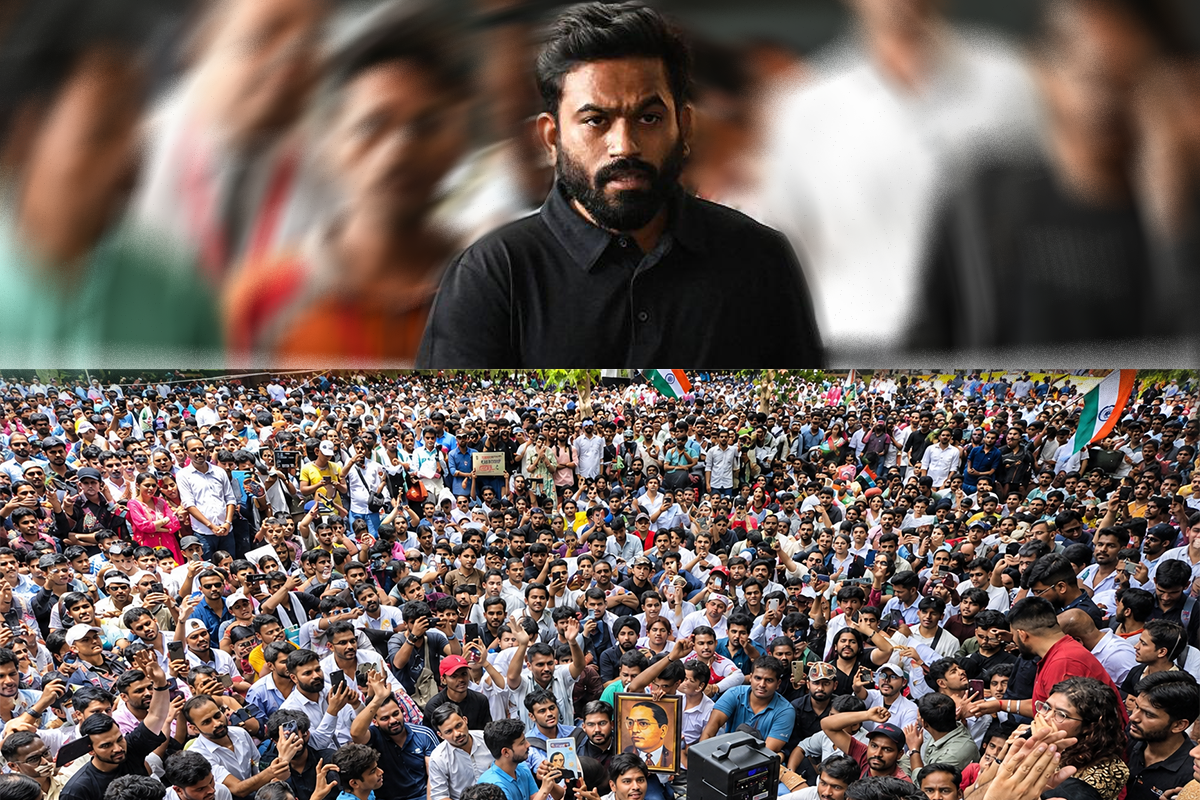
For Generation Z, which can mobilise rapidly through digital networks but often struggles to convert online visibility into durable organisation.

Abhijit Dipke’s decision to suspend the Cockroach Janta Party’s (CJP) protests until Diwali (November 8) is more likely to strengthen the movement than divide it—but only if the pause is used to organise, clarify its demands and prepare a credible next phase.
The suspension of demonstrations over the demand for Chief Election Commissioner Gyanesh Kumar’s resignation carries risks: it could dissipate public attention and frustrate activists who favour continuous confrontation. Yet, given the pressure created by arrests, legal proceedings and sustained mobilisation, a deliberate pause is a sensible tactical move. It will become a liability only if the leadership fails to explain what comes next.
The CJP’s agitation has drawn attention to electoral accountability, the integrity of electoral rolls and the Special Intensive Revision (SIR) exercise. Its demand for the Chief Election Commissioner’s resignation has placed the Election Commission at the centre of a wider debate about institutional independence and public confidence in democratic processes.
The detentions of activists, including Saurav Das and Ashutosh Ranka, have added to the pressure. Against this backdrop, Dipke’s appeal to supporters to spend time with their families during the festival season offers an opportunity to assess the strengths and limitations of youth-led protest.
A pause need not signify defeat. Movements that aspire to endure must balance public pressure with the well-being of their participants.
Arrests, legal proceedings, financial burdens and prolonged uncertainty can exhaust even committed activists. Stepping back can allow the CJP to reassess its methods and return with a clearer programme, but only if the interval serves a defined strategy.
India’s farmers’ movement combined periods of intense mobilisation with negotiations, planning and regrouping, while the civil rights movement in the United States used pauses to train organisers, expand local networks and prepare coordinated campaigns. Such examples show that a break can preserve momentum when supporters remain informed, local structures stay active, and the next objective is clearly defined.
They also warn that prolonged silence, unclear leadership or weak internal discipline can cause a movement to lose public attention and fragment. The CJP can learn that a strategic pause must be active rather than passive: it should include regular communication, volunteer coordination, evidence-gathering and a transparent timetable for renewed action.
The suspension nevertheless exposes the movement’s organisational challenge. For Generation Z, which can mobilise rapidly through digital networks but often struggles to convert online visibility into durable organisation, the CJP’s experience illustrates the difficulty of sustaining pressure beyond an initial surge.
The movement must therefore manage tactical differences without turning them into a contest over loyalty. Some supporters may prefer continued demonstrations, while others favour legal challenges, public education and evidence-based campaigns. These approaches can complement one another if the leadership remains open to scrutiny and provides meaningful channels for disagreement.
Gen Z is not politically homogeneous, and the CJP cannot automatically claim to represent an entire generation. The central question is whether a shared cause can survive differences over methods and become a sustained campaign for electoral accountability.
The substance of the CJP’s demands deserves equal attention.
Confidence in electoral institutions is indispensable in a representative democracy. Allegations concerning the deletion of eligible voters or irregularities in electoral rolls must be examined transparently, with accessible remedies offered for affected citizens. The Election Commission must explain its procedures and demonstrate the effectiveness of safeguards.
At the same time, allegations require verifiable evidence, and demands for accountability must be pursued through constitutionally legitimate means. Criticism of an institution is not inherently anti-democratic; equally, a protest does not establish the truth of every allegation made by its organisers.
The period until Diwali could allow the CJP to document grievances, communicate its objectives, engage affected voters, explore legal avenues and announce a timetable for renewed action. Without such preparation, uncertainty could weaken the momentum it has created. The pause should therefore be judged not as a retreat but as a test of organisational maturity.
It is more likely to strengthen the CJP than divide it if the leadership protects activists, builds a broader coalition, substantiates its allegations and sets out a clear plan. It will become divisive if supporters are left without direction or meaningful participation.
If the movement can convert temporary silence into preparation, it may return with greater legitimacy and force. If it cannot, the pause will reveal the fragility of a campaign built more on momentum than structure.
Also Read:
The flag, the book and the Mahatma: The youth have already won; now Modi must choose
When elves turn into imps: Who will watch the watchdogs?
Lest we forget, India resisted Modi and his men long before the Gen-Z agitation
(Edited by R Rajesh Kumar.)



