

Published Oct 17, 2026 | 9:30 AM ⚊ Updated Oct 17, 2026 | 11:35 AM

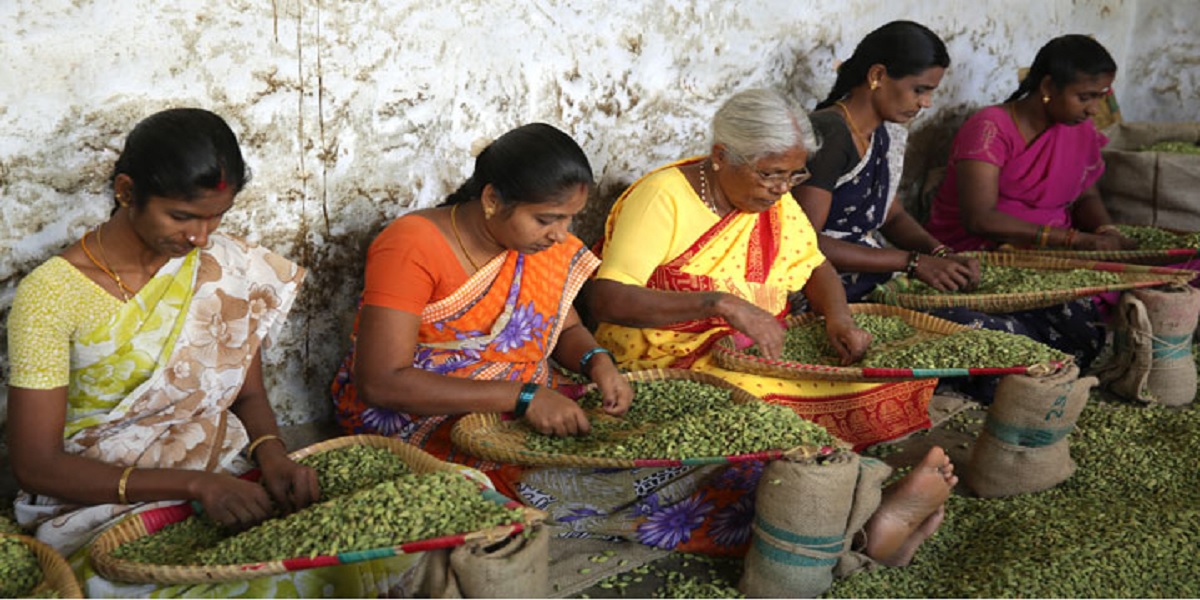
Workers of Vandanmedu auction centres for cardamom, Idukki. (File Photo)

Synopsis: A study of 560 women across six districts of Keralam found that more than 61 percent fell below the national wellbeing threshold, while paid work, household chores and caregiving took up over 16 hours a day on average. Women in the informal sector faced low wages, insecure employment and limited social protection, with caste, religion, marital status and climate-related disruptions adding to their economic hardship.
More than 61 percent of 560 women surveyed across six districts of Keralam fell below the national threshold for wellbeing, while their paid work, household chores and caregiving consumed more than 16 hours a day on average, a study by P Pratheesh, Assistant Professor in the Department of History at St Michael’s College, Cherthala, has found.
The findings expose the working conditions of women in the State’s unorganised sector, despite Keralam’s above-national-average performance in literacy, health and social development indicators. The women face long working hours, uncertain wages and poor social protection, with care workers bearing some of the heaviest burdens.
The study examines women’s working conditions in five sectors: domestic work, street vending, care work, garment and home-based production, and small retail, across rural and urban areas.
About 72 percent of the women surveyed worked more than eight hours a day, while fewer than 15 percent earned above Keralam’s minimum wage for informal workers.
Care workers, including ayahs and eldercare aides, reported working up to 12–14 hours a day, often without adequate breaks or overtime pay.
The study highlights how low pay and unpaid care responsibilities affect women’s finances, rest and mental wellbeing.
Street vendors recorded the highest average daily income among the women surveyed, at ₹410, while garment and home-based workers earned the least, averaging ₹280 a day, the study found. But vendors’ earnings fluctuated with weather, seasonal demand and market conditions.
Care workers put in the longest working day, averaging 11.8 hours. Domestic workers worked an average of 9.5 hours a day, while garment and home-based workers worked 9.3 hours. Only 8 percent of care workers earned above the minimum wage.
Domestic and retail workers reported relatively stable earnings, but many lacked employment contracts, overtime payments and access to welfare boards. Home-based workers faced limited opportunities to increase their earnings because they worked in isolation and had little collective bargaining power.
Drawing on feminist political economy, the study examines how unpaid care responsibilities and gaps in public welfare shift economic and social costs onto women. It also assesses how schemes such as the Mahatma Gandhi National Rural Employment Guarantee Scheme (NREGS) and Kudumbashree expand or constrain women’s opportunities across different social and economic settings.
Keralam’s achievements in literacy, healthcare and gender development have not translated into secure working conditions for women in the informal sector, with caste, religion, marital status and climate-related disruptions adding to their economic hardship, the study found.
Scheduled Caste and Muslim women were disproportionately represented in low-wage, physically demanding and publicly exposed jobs, including street vending and casual care work. Christian women were more commonly employed in urban garment units, while Hindu OBC women were more frequently found in small retail businesses.
These differences extended beyond the type of work women did, with disparities in wellbeing, income security and exposure to harassment.
Widowed and separated women reported particularly low wellbeing and greater economic strain, highlighting how marital status, caste and religion combine to shape their working conditions. Rural women also reported poorer wellbeing and greater exposure to climate-related disruptions.
The findings point to the continued exclusion of women from secure, contract-based and socially valued employment. Many remain trapped in low-paid work, facing economic uncertainty, emotional stress, digital exclusion and limited social protection.
Also Read: Peechi’s seismic puzzle: Three months on, tremors remain unexplained and homes unchecked
Women engaged in coir production, fishing-related activities and street vending reported income losses due to flooding, high humidity, tidal surges and erratic rainfall, while heat and unstable weather reduced productivity among workers in rural and hilly areas, the study found.
The disruptions affected working hours, supplies and earnings. Women often had to repair stalls, protect goods from rain and rearrange work schedules without compensation or institutional support, the study said.
Coir and home-based workers faced material damage and electricity disruptions, while vendors and retail workers suffered from mobility problems and declining customer numbers.
The study notes that existing welfare and climate policies do not adequately address these risks. It calls for a shift away from policies focused largely on productivity towards measures that recognise women’s lived experiences, unpaid adaptive work, emotional distress and unequal access to opportunities.
Tackling caste and gender inequalities, digital exclusion and climate vulnerability is essential to securing dignity, wellbeing and economic justice for women in Keralam’s informal workforce, the study says.
(Edited by Dese Gowda)



