

Published Oct 15, 2026 | 10:35 AM ⚊ Updated Oct 15, 2026 | 10:35 AM

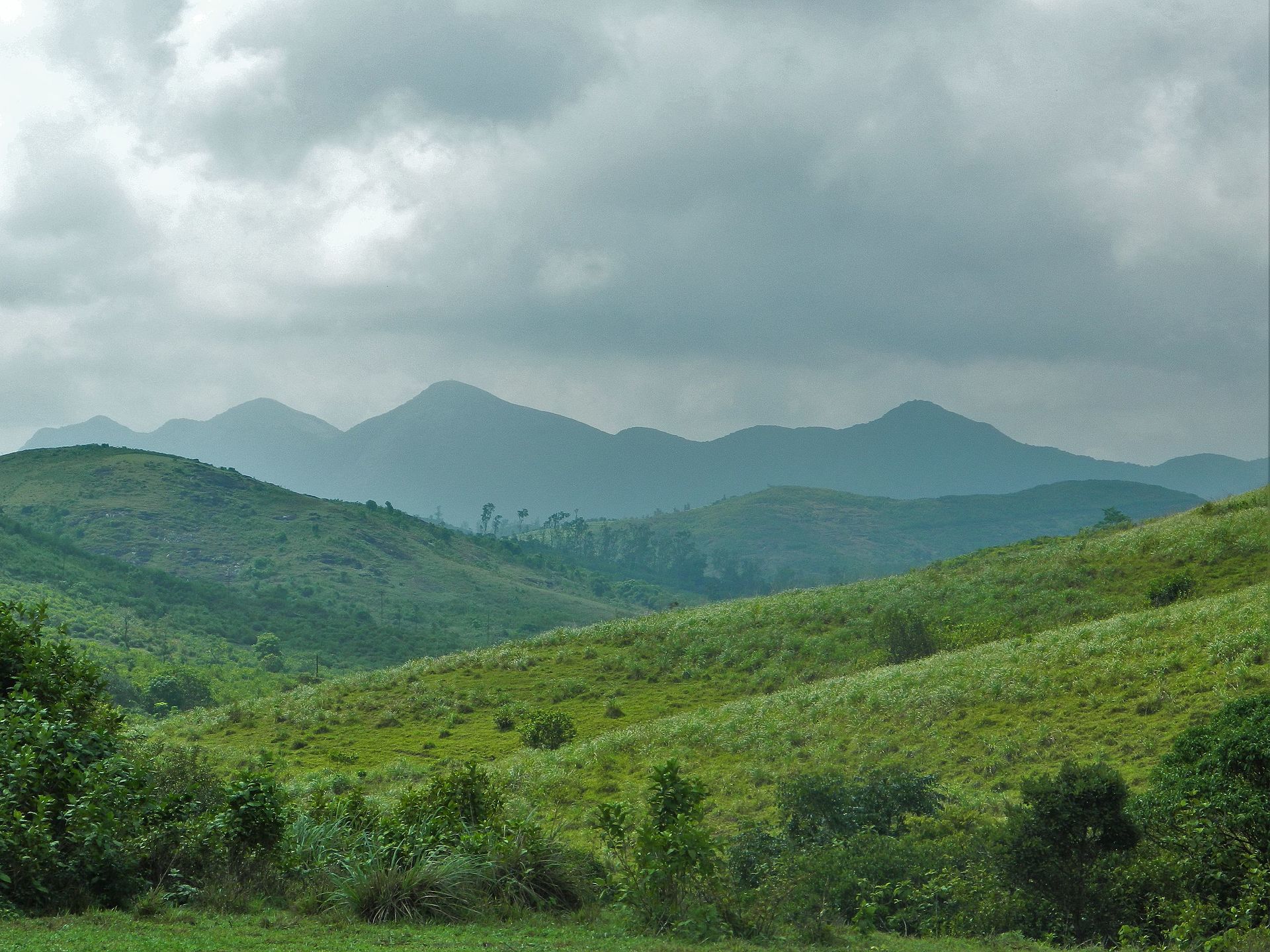
Environment Minister Sunny Joseph will present a resolution in the Assembly on Thursday.

Synopsis: The Kerala Legislative Assembly will urge the Centre to exclude inhabited areas, farmland and plantations from the proposed Western Ghats Ecologically Sensitive Area (ESA) notification and exempt the Cardamom Hill Reserve. A resolution to be presented by Environment Minister Sunny Joseph will also seek case-specific exemptions for selected industries, healthcare facilities, pumped-storage hydropower projects and townships for disaster rehabilitation.
The Kerala Legislative Assembly is set to pass a resolution urging the Union government to exclude inhabited areas, agricultural lands and plantations from the proposed Ecologically Sensitive Area (ESA) notification for the Western Ghats, exempt the Cardamom Hill Reserve from its regulatory framework and allow case-specific exemptions for selected industries and infrastructure projects.
Environment Minister Sunny Joseph will present a resolution in the Assembly on Thursday, 15 October, asking the Union Ministry of Environment, Forest and Climate Change to accept Keralam’s revised ESA proposal, covering 8,590.69 sq km across 98 revenue villages, and issue the final notification on that basis.
The resolution calls for ecological conservation to be pursued alongside the protection of livelihoods, farming practices, public health and essential infrastructure. It says that Keralam’s geographical and demographic conditions require an approach that accounts for the coexistence of forests, natural habitats, plantations, farmland, settlements and commercial areas within the same revenue village.
An entire revenue village cannot, therefore, be treated as ecologically uniform, the resolution states. ESA restrictions should apply only to scientifically identified and clearly demarcated ecologically sensitive zones, not to other areas within the same village.
Also Read: A final Mandi, a jail visit: Kerala boy dies by suicide days after alleged custodial torture
The Assembly will seek the exclusion of the Cardamom Hill Reserve (CHR) from the proposed ESA regulatory framework, citing its history of cardamom cultivation, established settlements and infrastructure, and existing legal safeguards.
The laws governing the region include the Travancore Cardamom Rules of 1935, the Rules for the Lease of Government Land for Cardamom Cultivation of 1961 and the Tree Protection Act of 1986.
The resolution also seeks changes to the blanket ban on Red Category industries under the seventh draft ESA notification. It calls for case-specific exemptions for selected activities, subject to compliance with environmental laws, pollution control standards and mandatory clearances.
The activities for which exemptions are sought include milk processing and dairy product manufacturing, slaughterhouses, meat processing units, Common Effluent Treatment Plants, hospitals, medical colleges, industrial parks and diesel generator systems exceeding 5 MVA.
The list also includes new healthcare institutions and pumped-storage hydropower projects. Townships covering more than 50 hectares for the rehabilitation of disaster-affected people are also proposed for exemption.
Also Read: Three Keralites killed in Germany apartment fire; police suspect arson, arrest resident
Keralam presented these demands to the Union Ministry’s expert committee on 15 July 2026. The State also conveyed them during a high-level discussion led by the Chief Minister.
After GIS analysis, field inspections and consultations with district authorities and local self-government institutions, the State submitted its revised ESA proposal to the Centre on 24 September 2026.
The resolution seeks the Centre’s acceptance of the revised proposal as Keralam’s final recommendation. It says that the ESA framework must account for the State’s high population density, settlement patterns, agricultural economy and existing legal protections while restricting regulatory controls to scientifically determined boundaries.
(Edited by Dese Gowda)



