

Published Jun 15, 2026 | 8:02 AM ⚊ Updated Jun 15, 2026 | 8:02 AM

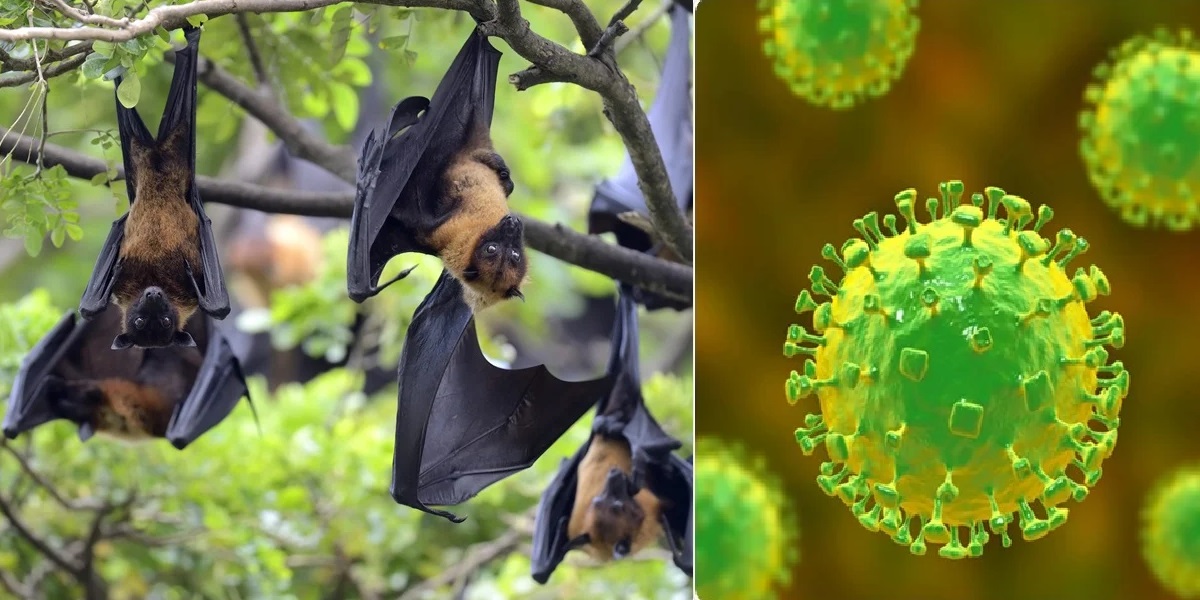
Representational image. Credit: iStock

Synopsis: Kerala’s repeated Nipah outbreaks are revealing a troubling pattern in which monsoon conditions, shifting bat habitats and human activity combine to create recurring seasonal spillover risks. The state has to balance scientific surveillance, rapid public health intervention and ecological understanding to confront a virus that has become an annual test of preparedness rather than an unexpected crisis.
For Kerala, Nipah is no longer an unfamiliar emergency that appears without warning. It has begun returning with unsettling regularity — almost always with the monsoon clouds.
The latest confirmed case, that of a 43-year-old man from Kozhikode, has once again drawn attention to a pattern that health experts have been quietly tracking for years.
Since 2018, Kerala has recorded 11 Nipah spillovers, including two deadly outbreaks and several isolated infections, with most cases emerging between April and September — the season when heavy rains, fruiting trees and the breeding cycle of fruit bats converge.
Scientists say the virus thrives at a fragile ecological intersection where changing bat behaviour, environmental conditions and human activity collide. Investigations in past outbreaks detected Nipah-positive bat colonies near affected areas, while experts warn that domestic animals could also play a role in transmission.
The concern is not merely about a virus returning, but about a seasonal threat that now appears woven into Kerala’s environmental landscape — one that resurfaces each year with the rains, testing the state’s public health vigilance all over again.
Also Read: Nipah confirmed in Kozhikode man: 77 contacts traced, route map not released yet
As Kerala enters another intense monsoon season, health authorities are once again on alert over the recurring threat of Nipah virus spillovers — a pattern that researchers say is closely tied to rain, bat behaviour and changing environmental conditions.
Since 2018, Kerala has witnessed 11 Nipah spillover events.
Two escalated into outbreaks, while the remaining incidents were limited to isolated cases.
The first major outbreak in May 2018 infected 23 people — 18 confirmed and five probable cases — claiming all but two lives.
Another outbreak in September 2023 recorded six infections, of which four patients survived.
Between these outbreaks, eight spillover incidents were reported in 2019, 2021, 2024, 2025 and 2026.
Though confined to single cases, they reinforced concerns that the virus continues to circulate silently in the state.
A recent presentation by Dr Anish T.S. of the Kerala One Health Centre for Nipah Research and Resilience before the World Health Organization highlighted a striking seasonal pattern in Kerala’s Nipah cases.
Most spillovers have occurred between April and September — a period that coincides with the southwest monsoon, peak fruiting season and the breeding cycle of Pteropus fruit bats, the known natural reservoir of the virus.
Experts stress that rain itself does not spread Nipah.
Instead, the monsoon creates a chain of ecological and behavioural conditions that increase the chances of transmission from bats to humans.
According to an official associated with the Institute of Advanced Virology, Kerala, heavy rainfall often alters the feeding patterns of fruit bats.
Reduced food availability in forests may push bats closer to human habitations, orchards and agricultural areas in search of fruit. This raises the likelihood of contamination through bat saliva, urine or partially eaten fruit.
“The virus can survive for up to three days in certain fruit juices or fruits under local ambient temperatures. Studies have also shown that Nipah virus has a half-life of nearly 18 hours in the urine of fruit bats. During the monsoon, moisture and shade may help the virus persist longer in the environment,” the official said.
The damp and shaded conditions common during the rainy season may also help the virus survive longer outside a host. Though Nipah is considered fragile in open environments, moisture and reduced sunlight can slow down its degradation, allowing contaminated surfaces or food sources to remain infectious for longer periods.
The monsoon also increases human exposure to potential risk zones. Farming activities, cleaning of unused sheds, godowns and wells, and closer interaction with vegetation and outdoor spaces can unknowingly bring people into contact with bat-contaminated materials.
Adding to the concern is the challenge of identifying Nipah infections early during the rainy season.
Diseases such as dengue, leptospirosis and influenza are widespread during the monsoon and often begin with symptoms similar to Nipah, including fever, headache and respiratory illness. This overlap can delay diagnosis and containment efforts.
Also Read: Nipah scare returns to haunt Kerala after Kozhikode man shows symptoms
Meanwhile, health officials stated that the state’s public health system is steadily refining its Nipah response strategy, drawing crucial lessons from previous outbreaks and recent field investigations.
They also underlined how experience, scientific evidence and ground-level surveillance are now shaping a more targeted containment model.
One of the strongest warnings from experts was against disturbing bat habitats.
Attempts to drive away bats using noise or by destroying roosting sites may actually worsen the threat.
Such disruptions force bats to migrate, increasing the chances of closer contact with humans and thereby raising the risk of Nipah spillover.
Health officials also stressed the importance of strengthening Active Acute Encephalitis Syndrome (AES) surveillance and expanding PCR and NAT-based diagnostic testing.
According to the department, rapid identification of suspected infections remains the most effective way to save lives and contain outbreaks before transmission escalates.
Early treatment of patients, along with preventive medication for high-risk contacts, has emerged as a critical intervention strategy.
The presentation highlighted that hospital-based superspreading continues to be one of the biggest challenges during Nipah outbreaks.
Primary patients — especially those suffering from severe respiratory symptoms such as Acute Respiratory Distress Syndrome (ARDS) — were found to have a significantly higher potential to transmit the virus to others.
Interestingly, detailed reviews of CCTV footage from earlier superspreading episodes revealed another important observation: several individuals who had prolonged, high-risk and unprotected exposure to infected patients still remained uninfected.
Health experts say these findings could help researchers better understand variations in susceptibility and transmission dynamics.
At the same time, the department pointed to one consistently proven protective factor — mask usage.
No healthcare worker who strictly adhered to respiratory protection protocols was found to have contracted the infection during the monitored outbreaks, reinforcing the role of disciplined infection-control practices inside hospitals.
At the same time, officials also broadened concern beyond contaminated fruits.
They noted that viral RNA had been detected in visceral organs and rectal swabs of Pteropus medius bats, suggesting that exposure to bat tissues or excreta may also pose an infection risk.
Authorities additionally flagged domestic predators such as cats as possible intermediary links between bats and humans.
Notably, while partially eaten fruits collected during investigations tested negative for the virus, virological and serological studies confirmed Nipah circulation in all nearby colonies of Pteropus medius located around outbreak clusters.
The emerging picture, officials indicated, is that Kerala’s Nipah response is no longer centred only on emergency containment. It is increasingly focused on early surveillance, evidence-based public health measures and understanding the ecological behaviour of bats — a shift that could prove crucial in preventing future outbreaks.
Also Read: Kerala logs nearly 99,000 accidents, over 7,600 deaths in two years; over-speeding leading cause
A recent study published in the journal Nature has shed fresh light on the recurring spillover of the Nipah virus in Kerala and West Bengal, revealing how the same virus can produce sharply different outbreak patterns depending on ecological conditions and the strength of public health systems.
The study, published in May, notes that Kerala has witnessed frequent Nipah spillovers over the years, but most outbreaks have remained limited to small clusters.
Researchers attribute this largely to the state’s robust surveillance systems, rapid contact tracing and coordinated One Health approach involving health, animal husbandry and forest departments.
In contrast, West Bengal has experienced fewer spillover events, but some outbreaks there have resulted in significant healthcare-associated transmission.
According to the researchers, recurrent Nipah outbreaks in India cannot be viewed as a single, uniform virological phenomenon. Instead, they are shaped by a complex interaction of bat reservoir dynamics, ecological changes, human exposure patterns and the preparedness of local health systems.
The study underlines that ecological disturbances caused by human activity are playing a major role in increasing the risk of zoonotic diseases. Deforestation, habitat fragmentation and growing human intrusion into biodiversity-rich regions are altering bat behaviour and bringing wildlife into closer contact with people.
In Kerala, outbreaks have consistently been reported between April and September — a period marked by hot, humid weather interspersed with rain. This is also the season when fruiting trees are abundant, drawing fruit bats closer to human settlements in search of food. Researchers say this increases the likelihood of contamination of fruits and surfaces through bat saliva, urine or droppings.
The study also points out that bats frequently roost in residential compounds across many parts of Kerala, creating a persistent risk of direct human exposure.
To reduce future spillovers, researchers have recommended coordinated intervention involving health authorities, local bodies and forest officials. Measures such as mapping bat roosts near residential areas and modifying fruit tree pruning practices could help reduce bat access to areas with high human activity.
Also Read: Kerala on high alert as Shigella cases rise in Kozhikode, Wayanad; children hit hard
Health authorities continue to stress caution against Nipah virus, a rare but highly dangerous zoonotic disease that spreads from animals to humans and, in some cases, directly between people.
First identified during a 1998 outbreak among pig farmers in Malaysia, the virus is naturally carried by fruit bats of the Pteropodidae family.
Doctors say infected individuals may initially develop fever, severe headache, fatigue and vomiting before progressing to neurological complications such as confusion and brain inflammation, or respiratory distress including cough and breathing difficulty. While some infections remain symptom-free, the disease has an estimated fatality rate ranging from 40 to 75 per cent.
The incubation period generally varies between three and 14 days, though rare cases have shown symptoms appearing after more than a month. Experts warn that the virus can spread through contaminated fruits, raw date palm sap, infected animals and close human contact involving droplets or bodily fluids.
With no approved vaccine or specific antiviral treatment currently available, early detection and intensive supportive medical care remain the best defence against severe illness and death.



