

Published Jun 11, 2026 | 10:46 PM ⚊ Updated Jun 11, 2026 | 10:46 PM

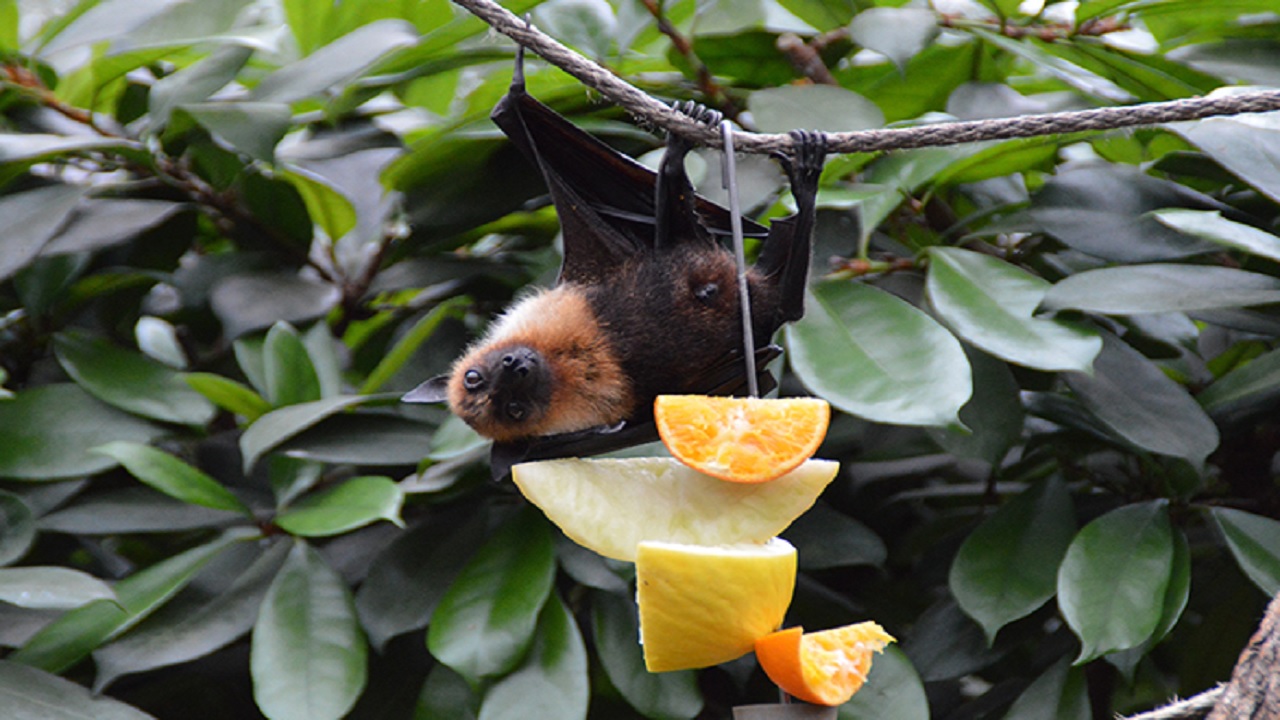
Fruit-eating Bat

Synopsis: The samples from the patient returned positive for Nipah. The patient is in a critical condition. Authorities have identified 77 people on the patient’s contact list, including 58 healthcare givers.
The National Institute of Virology (NIV), Pune, has confirmed Nipah virus infection in the 43-year-old man undergoing treatment at Kozhikode Medical College Hospital.
The patient remains in a critical condition and is on ventilator support in a dedicated isolation ward.
Following the confirmation, health authorities have intensified surveillance and contact-tracing efforts. Samples from five primary contacts will be tested while continuing efforts to identify the source of the infection.
Health Minister K Muraleedharan is expected to chair a high-level review meeting to assess the situation and announce further containment measures.
The Health Department has initiated precautionary measures in view of the preliminary positive result. Surveillance activities have also been intensified in the region.
The fresh scare has revived concerns in the Malabar region, which has witnessed multiple Nipah outbreaks in recent years, particularly in the Kozhikode district.
Authorities are closely monitoring the situation to prevent any possible spread of the virus.
Nipah is a zoonotic virus believed to spread from bats or pigs to humans. Infection can occur through fruits or drinks contaminated by bat saliva or urine. Human-to-human transmission is also possible through close contact with infected persons.
Common symptoms include fever, severe headache, body pain, vomiting, respiratory distress, and neurological complications, including encephalitis.
Health experts said symptoms can appear between four and 14 days after exposure and urged people who had close contact with the patient to strictly follow safety protocols and report any symptoms immediately.
Also Read: Nipah scare returns to haunt Kerala
Speaking to South First, Ramanattukara Municipality Chairman Kallada Muhammed Ali said the meeting of the Rapid Response Team had concluded, and preventive measures were underway.
”People who had close contact with the infected person have been quarantined. The municipality’s health department has started house visits to create awareness, and cleaning activities are also being carried out. Since the confirmed patient resides in Division 5 of the municipality, additional surveillance has been put in place there.
A high-level meeting to be held tomorrow (Friday, 12 June) will make further decisions under the guidance of the Medical Officer. People have been instructed to wear face masks and maintain physical distancing,” he said.
Ali said Ramanattukara was reporting Nipah for the first time.
He also noted that although the patient has been living in Kozhikode, he worked in the Malappuram district and the possibility of infection from there could be ruled out.
Meanwhile, Farook Municipality Chairperson Chandrika C said precautionary measures had already been implemented in the municipality, including the use of face masks, as the area borders Ramanattukara.
Also Read: How Nipah virus outbreak triggers anxiety among people
Health authorities have identified 77 people on the patient’s contact list, including 58 healthcare workers. The remaining contacts were identified as his friends and family members.
Among them, two have been classified as highest-risk contacts, 13 as high-risk contacts.
Eleven people in the high-risk category have been directed to remain under strict home quarantine.
When South First contacted the Nipah control room opened at the District Medical Office, officials confirmed that no containment zone has been announced.
They also said the control room was receiving a large number of calls from the public.
Officials said none of the identified contacts had developed symptoms so far, and testing would be conducted only if symptoms appeared.
The Health Department would be releasing a route map detailing the patient’s recent movements.
Authorities were now examining two possible sources of infection. Currently, a greater probability has been given to the possibility that he had contracted the virus after eating sapodilla (sapota or chicoo) growing on his home compound that may have been partially eaten by fruit bats.
Officials stressed that there was no need for panic. They urged people to remain vigilant and follow health advisories.
Nipah Control Room: 9072007767, 0495- 2373901.



