

Published Jun 10, 2026 | 11:17 PM ⚊ Updated Jun 10, 2026 | 11:17 PM

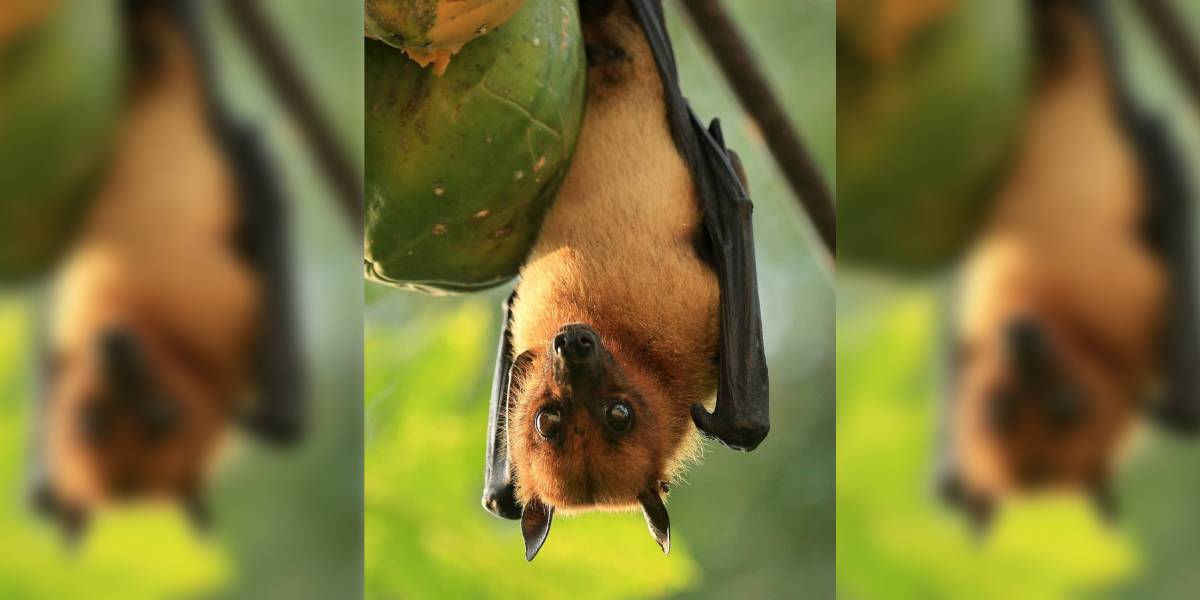
Fruit bats (flying foxes) are considered to be the carriers of the Nipah virus in Kerala. ( Mini Anto Thettayil)

Synopsis: The patient’s family members have been directed to enter quarantine, while health officials have begun preparing a detailed contact list and tracing the possible source of infection. Surveillance activities have also been intensified in the region.
Kerala is once again on alert over a suspected Nipah case after a preliminary test conducted at the Government Medical College, Kozhikode, returned positive for the virus in a man from Farook.
Final confirmation from the National Institute of Virology (NIV), Pune, is awaited.
The patient, aged around 40, has been undergoing treatment at a private hospital in Kozhikode after developing high fever and encephalitis-like symptoms about a week ago.
Health authorities said his condition later worsened, prompting doctors to suspect Nipah infection.
He is expected to be shifted to Kozhikode Medical College for specialised treatment and isolation.
Also Read: How Nipah virus outbreak triggers anxiety among people
Officials said samples have been sent to the NIV in Pune for confirmatory testing, with results expected by tomorrow evening.
Even as the final confirmation is awaited, the Health Department has initiated precautionary measures in view of the preliminary positive result.
The patient’s family members have been directed to enter quarantine, while health officials have begun preparing a detailed contact list and tracing the possible source of infection.
Surveillance activities have also been intensified in the region.
The fresh scare has revived concerns in Kerala, which has witnessed multiple Nipah outbreaks in recent years, particularly in the Kozhikode district.
Authorities are closely monitoring the situation to prevent any possible spread of the virus.
Also Read: Why Kerala is first to detect and report exotic viral strains
Nipah is a zoonotic virus believed to spread from bats or pigs to humans. Infection can occur through fruits or drinks contaminated by bat saliva or urine. Human-to-human transmission is also possible through close contact with infected persons.
Common symptoms include fever, severe headache, body pain, vomiting, respiratory distress and neurological complications, including encephalitis.
Health experts said symptoms can appear between four and 14 days after exposure and urged people who had close contact with the patient to strictly follow safety protocols and report any symptoms immediately.



