

Published Jun 09, 2026 | 11:11 AM ⚊ Updated Jun 09, 2026 | 1:24 PM

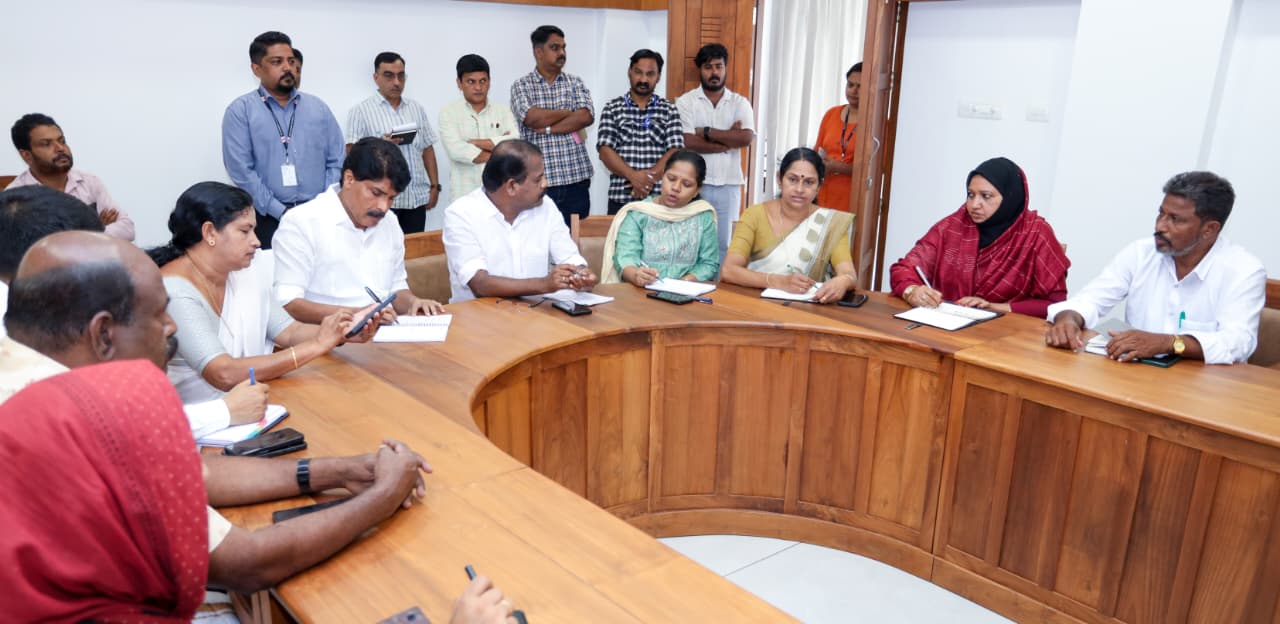
High level meeting convened by Minister T Siddique on Tuesday, 9 June.

Synopsis: Kerala is on high alert as Shigella infections rise, with 93 confirmed cases and two deaths reported statewide till 8 June, 2026. Wayanad schools and Kozhikode hospitals have seen clusters, including child fatalities. Health authorities urge strict hygiene, safe drinking water, and vigilance, while officials intensify surveillance and food safety checks to contain the highly contagious bacterial outbreak.
Kerala is grappling with a surge in Shigella infections, with 93 confirmed cases and two deaths reported statewide till 8 June, 2026. On the same day alone, eight fresh cases emerged across Malappuram, Kozhikode, Wayanad and Kannur.
In Wayanad, two schoolchildren from Mar Baselios School tested positive after hundreds of students reported vomiting, diarrhoea and stomach pain. Of 339 symptomatic children, 59 remain hospitalised, while test results for 19 samples are awaited.
Kozhikode has intensified surveillance after a four-year-old girl died of shigellosis, with two more pediatric cases confirmed at the Government Medical College Hospital. Earlier in March, another child succumbed to the infection.
Leader of the Opposition Pinarayi Vijayan has urged urgent preventive measures, stressing sanitation, safe drinking water, and vigilance in schools. Health Minister K Muraleedharan directed food safety checks at eateries and called for local body involvement in maintaining hygiene.
Authorities have advised strict handwashing, consumption of boiled water, and immediate medical attention for symptoms such as diarrhoea, fever, and dehydration, as the state battles to contain the highly contagious bacterial infection.
Also Read: Why doctors are concerned about Shigella after Kerala toddler’s death
Kozhikode district has stepped up health surveillance measures after a four-and-a-half-year-old girl succumbed to shigellosis, while two more infections were confirmed in children undergoing treatment at the Government Medical College Hospital.
The deceased child, Nila, daughter of Babeesh from Thalakkulathur, had been admitted to the medical college hospital earlier this week with severe gastrointestinal symptoms.
Health officials said laboratory tests conducted on Friday confirmed the presence of Shigella bacteria.
Despite intensive treatment, the child died on Saturday, triggering concern among health authorities over the spread of the infection in the district.
Following the death, two additional pediatric cases were confirmed at the Institute of Maternal and Child Health (IMCH) attached to the medical college.
The infected children include a two-year-old boy from Pantheerankavu and a 10-year-old boy from Purameri. Both are under medical supervision, officials said.
The latest developments have prompted the district health administration to intensify monitoring and preventive measures, particularly in areas where cases have emerged. Officials are also tracing possible sources of infection and screening close contacts of the affected children.
According to health department figures, Kerala has reported 10 confirmed cases of shigellosis and one death so far this month, up to June 7.
In addition, four suspected cases are currently under observation in different parts of the state.
Following a high-level review meeting held at the Sultan Bathery Government Guest House on Tuesday, Agriculture Minister Adv. T Siddique said the situation was presently under control, but extensive precautionary measures were being undertaken in affected and neighbouring areas.
The Wayanad district administration has been asked to intensify preventive and monitoring measures, with 68 people currently undergoing treatment in hospitals.
As part of the containment efforts, a special drive to chlorinate wells in surrounding areas will be carried out on Wednesday, 10 June.
Inspections will also be conducted in all schools across the district, while review meetings at the ward level in Nenmeni panchayat will begin on Tuesday.
In addition to Nenmeni, special meetings will also be held in Noolpuzha and Ambalavayal panchayats and Sultan Bathery municipality involving public representatives and officials from the health, education and tribal departments to strengthen monitoring and preventive action.
Health authorities have identified 12 educational institutions attended by children from households where symptoms were reported. These include 11 schools and an engineering college. Special surveillance and deployment of medical teams have been arranged in these institutions to ensure immediate intervention if symptoms are detected.
Officials said 35 tribal students showing symptoms remain under special medical observation. Authorities are also closely monitoring children who had been discharged from hospitals but later returned for treatment.
According to the health department, 443 people have so far sought treatment after showing symptoms associated with the infection. Of them, 158 were admitted to government and private hospitals. While many have since been discharged, 68 people continue to remain hospitalised — 26 at Sultan Bathery Taluk Hospital and 42 in a private hospital.
Another 163 persons are under observation and do not currently require hospital admission. Health workers have contacted 463 people as part of surveillance activities, and symptoms have been identified in 14 persons from households linked to affected children. A teacher has also reported symptoms.
The minister said medicines and treatment facilities were adequately available. Water samples from school wells are being tested and further action would be taken wherever abnormalities are detected.
Also Read: Kerala mulling hub-and-spoke model to combat stroke, but govt mum on detailed study
Shigellosis is an intestinal infection caused by Shigella bacteria and is known to spread rapidly, especially among young children. Medical experts say children below five years are the most vulnerable, although the disease can affect people of any age.
The infection commonly spreads through contact with contaminated hands, food, water or surfaces exposed to infected stool. Poor hygiene practices, contaminated drinking water and unsafe food handling are among the major causes behind transmission.
Doctors say the disease usually presents with diarrhea, which may at times contain blood, along with fever, abdominal cramps and vomiting. While many patients recover within a week with proper hydration and rest, severe cases may require antibiotic treatment and hospitalization.
Health authorities have urged the public to maintain strict hygiene practices, including regular handwashing, consumption of boiled or treated drinking water, and proper sanitation, to prevent further spread of the infection.
(With inputs from Dileep V Kumar)



