

Published Jun 09, 2026 | 7:00 AM ⚊ Updated Jun 09, 2026 | 2:39 PM

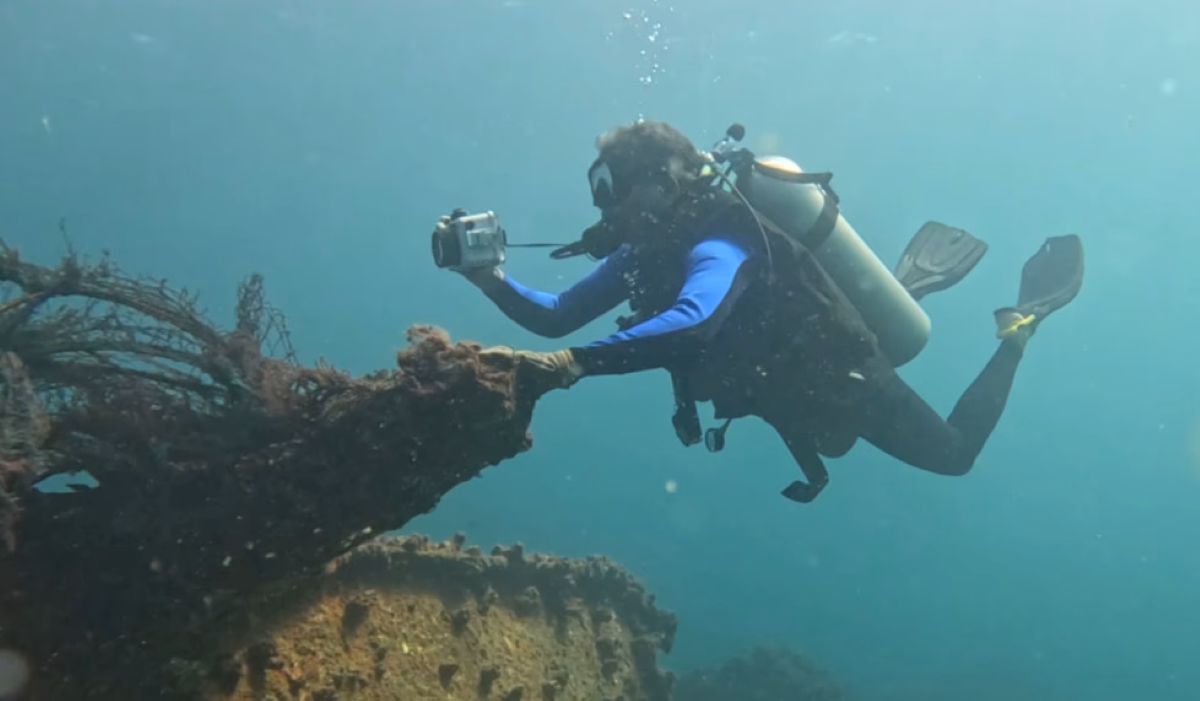
Documenting the marine biodiversity register of Thiruvananthapuram

Synopsis: A first-of-its-kind community-led marine biodiversity register, unveiled on World Oceans Day, is bringing Thiruvananthapuram’s hidden underwater ecosystems into the public domain through the knowledge of fishing communities, divers and researchers. The Community Marine Biodiversity Online Register (CMBOR), prepared by Friends of Marine Life, documents ecologically rich reef systems, marine species and traditional conservation practices along the Thiruvananthapuram coast, while also highlighting the growing threat posed by the expansion of the Vizhinjam International Seaport.
On World Oceans Day, 8 June, Friends of Marine Life (FML) unveiled the Community Marine Biodiversity Online Register (CMBOR), an ambitious effort to document the marine ecosystems of Kerala’s capital, Thiruvananthapuram, through the knowledge and experiences of coastal communities.
Among its most striking entries is Panthakkallu, a reef lying 15 metres below the sea off Kochuthura village, just a few kilometres from Vizhinjam port.
In a decade of underwater documentation, FML says no other reef it studied matched Panthakkallu’s fish diversity. Local fishermen, who led researchers to the site, now fear that the waters sustaining this biodiversity may soon be threatened by dredging, restricted fishing zones and relentless coastal transformation.
The register also revives memories of Kerala’s turbulent anti-trawling struggles of the 1980s, including the story of a seized trawling boat that local fishermen deliberately sank in deep waters to create an artificial reef.
The “Boat Reef”, as it later came to be known, eventually became a thriving fishing ground.
Also Read: Heritage slayers? Many moves to strip Lakshadweep of its identity, land, language and culture
Prepared by FML, the CMBOR—a first-of-its-kind in India—documents underwater habitats, marine organisms and the changes affecting coastal ecosystems.
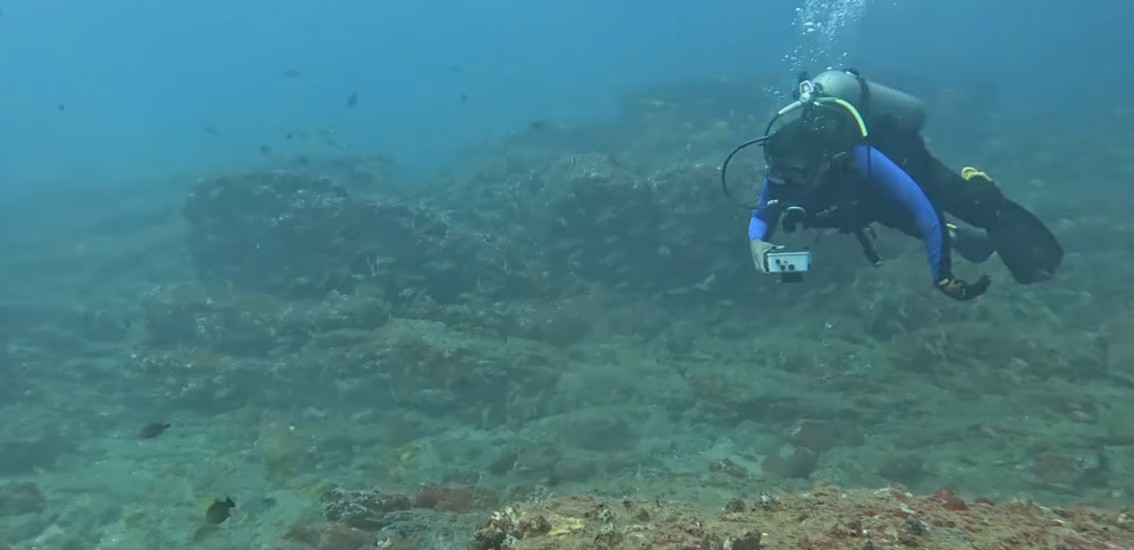
Underwater habitat documentation in progress
Opening up a detailed public record of the marine ecosystems and coastal biodiversity of Thiruvananthapuram district, it has been prepared with the support of fishing communities, divers and researchers.
Those behind the register say that, unlike conventional biodiversity registers maintained by Biodiversity Management Committees under State Biodiversity Boards, the CMBOR places central importance on the knowledge held by coastal communities and includes intertidal and marine zones that often remain undocumented.
“Much of the knowledge about the sea exists within coastal communities who depend on it for their livelihoods. We wanted to bring that knowledge into the public domain while also documenting habitats that are rapidly changing,” said Robert Panipilla of FML, who undertook extensive underwater dives to document marine habitats and organisms.
The register is the outcome of work that began in 2012.
Around 50 underwater habitats along the Thiruvananthapuram coast have been documented through underwater surveys, species photography and habitat assessments.
Beyond reefs and habitats, the register opens a window into a hidden marine world teeming with seaweeds, corals, lobsters, nudibranchs, sea snakes, marine worms and countless fish species.
The initiative also highlights growing pressure on marine ecosystems from human activity and large-scale coastal development.
Verified scientific inputs from institutions including the University of Kerala and the National Institute of Oceanography have been incorporated into the register.
Also Read: Kerala fisherfolk struggle as the sea heats up and nets come back empty
Beneath the waters off Vizhinjam, three reef habitats known for their rich marine life now stand in the shadow of the expanding Vizhinjam seaport project.
The CMBOR identifies Perumakallu, Ochampaaru and Panthakkallu as ecologically significant underwater habitats that could be affected by future dredging and construction linked to the port’s next phases.
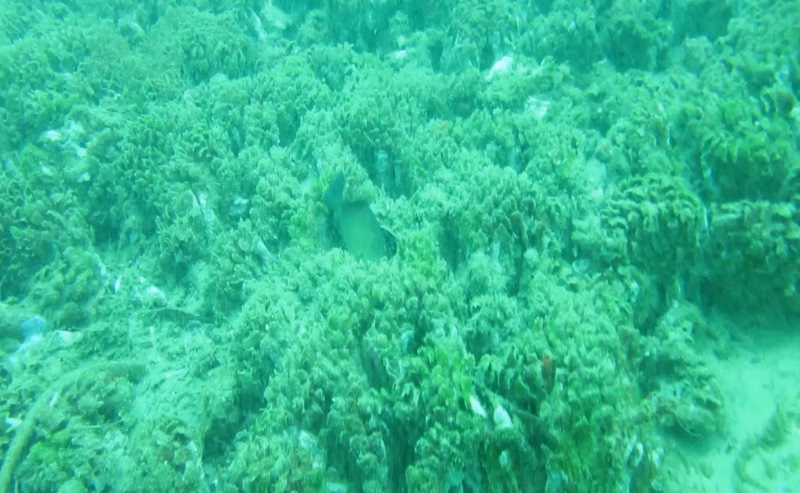
Perumaakkallu
Perumakallu, a massive rocky formation lying 6 to 11 metres below the sea near Adimalathura and Azhimala, has long been known among fishing communities as a seasonal resting ground for calamari during the monsoon months.
Mussels, lobsters and several commercially important fish species are also found here in abundance. Local fish workers say nearby sea worm colonies and coastal rock systems were already damaged during earlier phases of port construction.
Further south lies Ochampaaru, spread across depths of 6 to 9 metres. The deeper section is locally known as Ochampaaru, while the shallower stretch is called Kara Ochampaaru.
The habitat supports mussels, lobsters and reef fish, though abandoned ghost nets are now visible in several areas. Marine observers fear dredging proposed as part of the port’s fourth phase could severely damage the reef.
Panthakkallu, located 15 metres underwater off Kochuthura, has emerged as one of the most biodiverse reef habitats documented in the region.
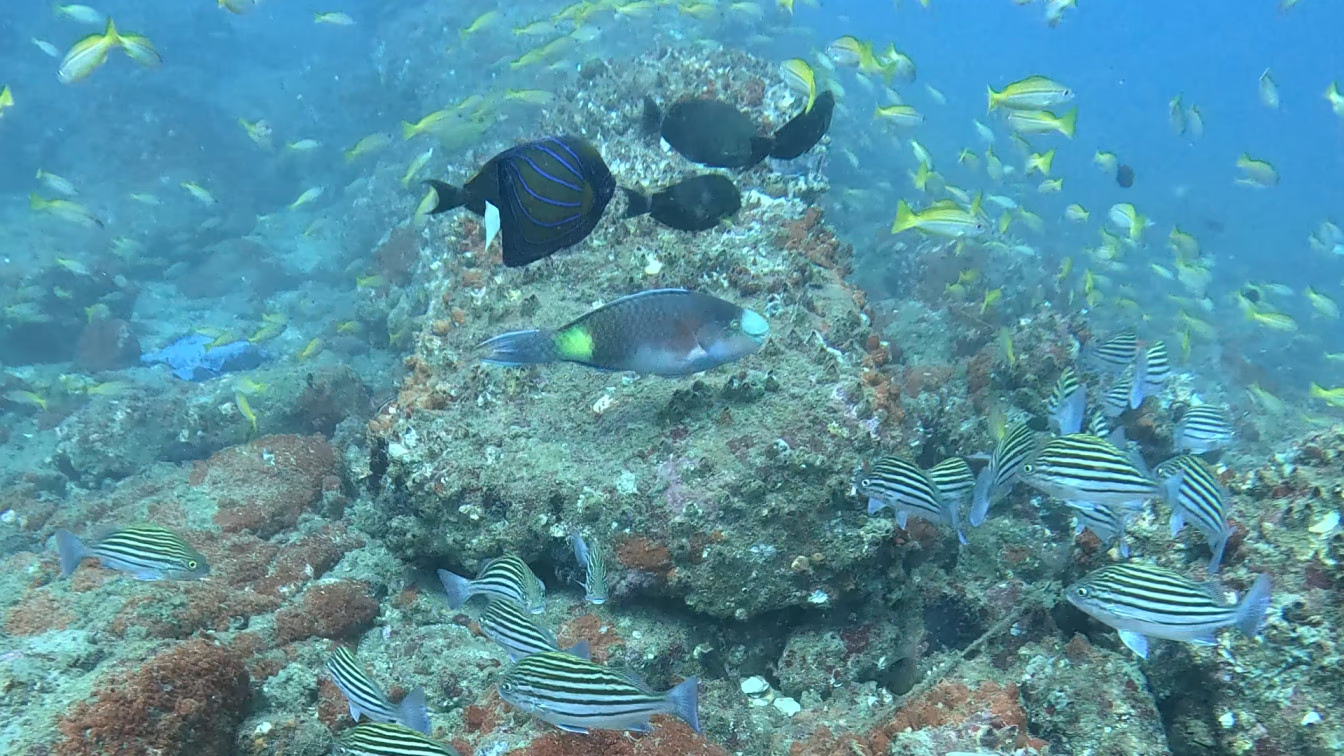
Panthakkallu
According to FML members, the reef recorded an exceptional variety of fish species during underwater surveys conducted over the past decade. The site was identified with the help of Davidson, a fisherman from Poovar.
Unlike several other reefs along the coast, Panthakkallu remains free of ghost nets, reflecting what marine activists describe as careful stewardship by local fishing communities.
Fishers fear the habitat could face severe damage, along with possible fishing restrictions, as the next stages of the Vizhinjam port expansion proceed.
Also Read: Caught between the sea and the state: The dilemma of a fishing community in Kerala’s Kochi
The register also documents a remarkable episode from the years when traditional fishermen along the Kerala coast were locked in bitter struggles against trawlers that entered nearshore waters and threatened their livelihoods.
The 1980s and early 1990s witnessed fierce protests led by artisanal fishermen demanding protection of coastal fishing grounds.
Around the same period, another concern emerged within sections of the fishing community – attempts to informally privatise stretches of the sea through the construction of artificial reefs.
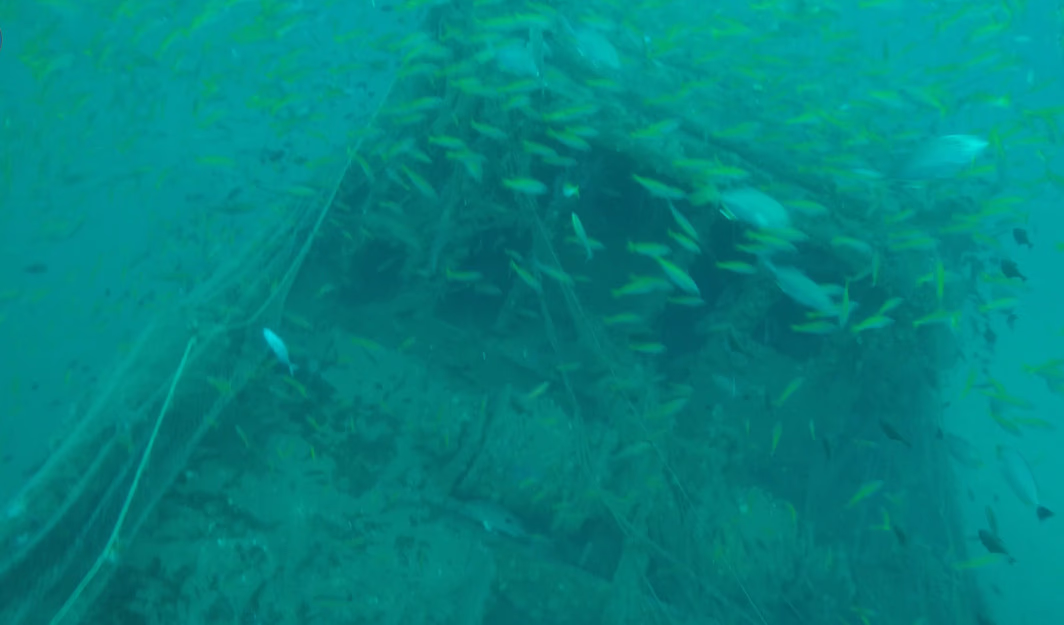
Inside the boat reef
To prevent such control from falling into private hands, local fishermen formed a collective known as the Sahodarasangham and began building artificial reefs under community supervision.
During one tense phase of the agitation, fishermen at sea intercepted a large trawler that had cast its nets close to shore in violation of accepted limits. The vessel was seized and handed over to the collective.
Community leaders later discussed what should be done. The trawler’s crew, who had remained anchored off the coast, were safely brought ashore in country boats. They were served food, treated respectfully and helped prepare for their journey home.
The seized vessel, however, remained in the fishermen’s custody.
A small team later navigated it towards deep waters north of the coast, near an area where artificial reefs had already been established.
After several hours of work, the trawler slowly filled with water, drifted with the current and finally disappeared beneath the sea.
Nearly two weeks later, a fisherman named Vincent from Vettukad located the submerged wreck. Large shoals of fish had begun gathering around it. The site soon became known among fishermen as the “Boat Reef”, and for several years remained one of the richest fishing grounds in the area.
Also Read: ‘Zin’ and ‘Kalachi’: Can two writers imagine the same story? A literary storm says yes – and no
The initiative to prepare a marine biodiversity register has the potential to open a new chapter in marine literacy in Kerala, said Dr A Bijukumar, Vice Chancellor of Kerala University of Fisheries and Ocean Studies (KUFOS).
He stressed the need to document traditional knowledge alongside scientific research to better understand marine ecosystems. According to him, scientific documentation alone has often failed to capture the full complexity of marine habitats and coastal life.
He said the register could pave the way for further research, including detailed taxonomic and biodiversity studies.
Dr John Kurien, a noted expert on coastal ecology and fishing communities, said Kerala must approach development with greater sensitivity to its marine environment.
Referring to repeated efforts to envision Kerala as a major port-driven economy on the lines of Singapore, he cautioned against overlooking the unique ecological character of the state’s seas.
“Development is necessary, but it cannot come at the cost of marine ecology,” he said.
Kurien added that the biodiversity register could serve as an important benchmark for understanding ocean biodiversity and informing future policy decisions concerning the coast and marine resources.
The initiative is expected to support conservation planning, strengthen public awareness of marine ecosystems and contribute to long-term ecological documentation in the state.



