

Published Jun 05, 2026 | 12:00 PM ⚊ Updated Jun 05, 2026 | 12:00 PM

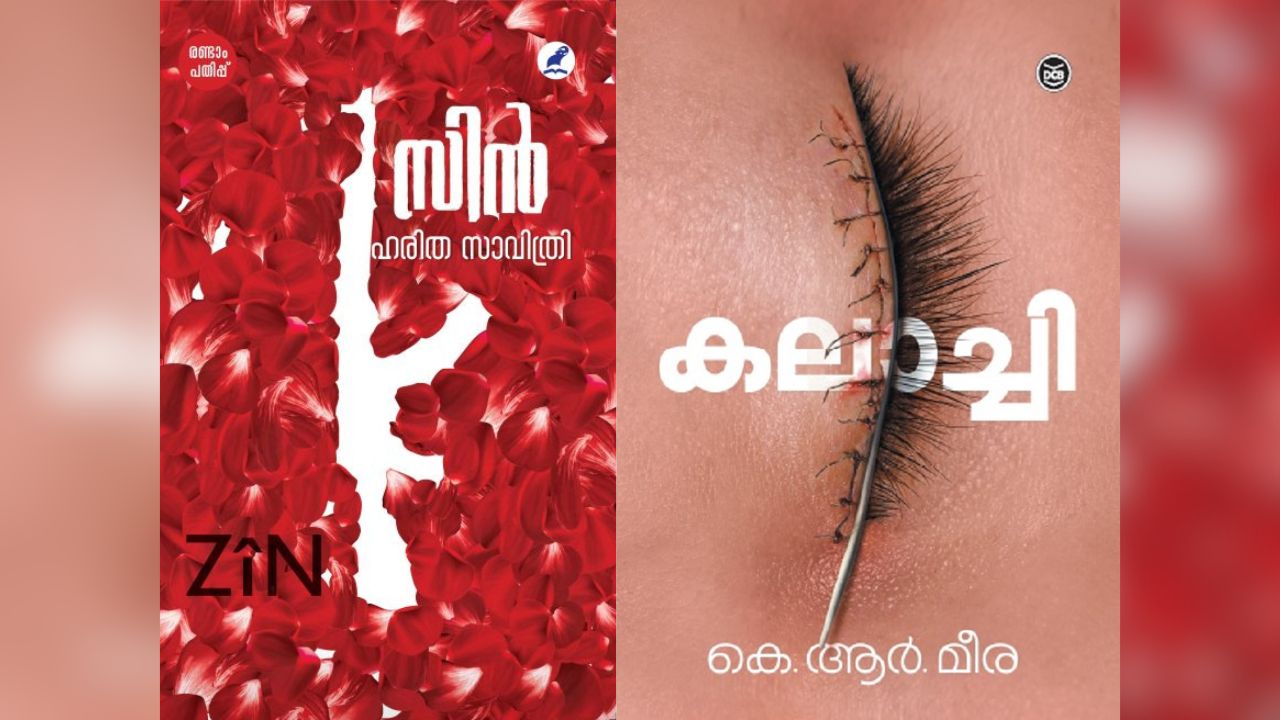
Cover pages of 'Zin' and 'Kalachi'.

Synopsis: A controversy erupted in Malayalam literary circles after writer Haritha Savithri alleged significant narrative similarities between her award-winning novel Zin and KR Meera’s Kalachi, reigniting debates over originality, influence and literary ethics. While Meera has rejected the allegations, citing earlier serialisation and years of research, the dispute has divided writers and readers and revived broader questions about plagiarism, creative overlap and power dynamics in publishing.
“There is nothing new under the sun,” goes the biblical observation often attributed to King Solomon. Few debates test that idea more fiercely than accusations of literary borrowing.
In literature, the line separating inspiration from imitation has always been elusive. When a celebrated work appears to mirror the themes, characters or plot of another, the question is rarely just about who wrote it better — it becomes a battle over who imagined it first. Such controversies often expose an uncomfortable reality of the creative process: even the most original stories can carry echoes of ideas that came before them.
A similar debate is now unfolding in Malayalam literature.
The controversy centres on alleged plot similarities between Haritha Savithri’s award-winning novel Zin and KR Meera’s Kalachi, parts of which were serialised online years before its publication in book form.
As readers, writers and critics take sides, the dispute has revived old questions that have shadowed the literary world for generations. Can two writers independently arrive at strikingly similar stories? Where does influence end and plagiarism begin? And when a lesser-known writer challenges a commercially successful literary figure, whose voice is heard first?
The irony is hard to miss.
For one of the key figures in the current controversy, this is not the first time such questions have surfaced, making the debate as much about literary ethics as it is about the power dynamics that shape the world of publishing.
Also Read: Kerala records lowest child stunting among major states
The controversy is triggering a wider debate on inspiration, originality and narrative overlap in fiction.
Haritha, whose Zin was published in 2022 and later won the Kerala Sahitya Akademi Award, argues that both novels are built around a similar narrative framework.
Her novel follows Seetha, an Indian woman who travels to the conflict-ridden Kurdish region of Turkey in search of her missing lover, Devran, amid political violence and state repression.
According to Haritha, Kalachi echoes this premise through the journey of Dr Fida Muhammad, who travels to Kazakhstan in search of Ijaz Ali while confronting questions of identity, displacement and minority existence.
While clarifying that she is not alleging direct copy-pasting or textual plagiarism, Haritha has maintained that the similarities in the central narrative arc are too significant to ignore.
Meera, however, has firmly rejected the charge.
She points to a timeline that predates Zin, saying the seed of Kalachi emerged in 2013 after she learned about the mysterious sleep disorder reported in Kazakhstan’s Kalachi village.
The novel, she says, began taking shape in 2019 and was serialised in the TrueCopy Think web magazine from November 2020, nearly two years before Zin appeared in print.
Meera has also highlighted her extensive research, including field visits linked to the novel’s political and geographical backdrop. She further questioned why Haritha praised Kalachi after reading it earlier this year if concerns about similarities already existed. To prove that she also released a chat between her and Haritha, where the latter praised Meera for the theme and presentation.
Meanwhile, the controversy continues to divide Malayalam literary circles, with writers, critics and readers offering sharply contrasting interpretations of the alleged similarities between the two works.
A section of readers and writers believes the resemblance between the novels is too significant to be dismissed as a coincidence.
Critics of Kalachi argue that several thematic and narrative parallels emerged after the publication of Zin in 2022, with some even describing it as literary appropriation.
Questions have also been raised about Meera’s explanation that Kalachi was serialised earlier, with detractors pointing out that only portions of the work appeared in 2020. For many supporters of Haritha, the debate has come to symbolise a larger concern about established literary figures overshadowing lesser voices.
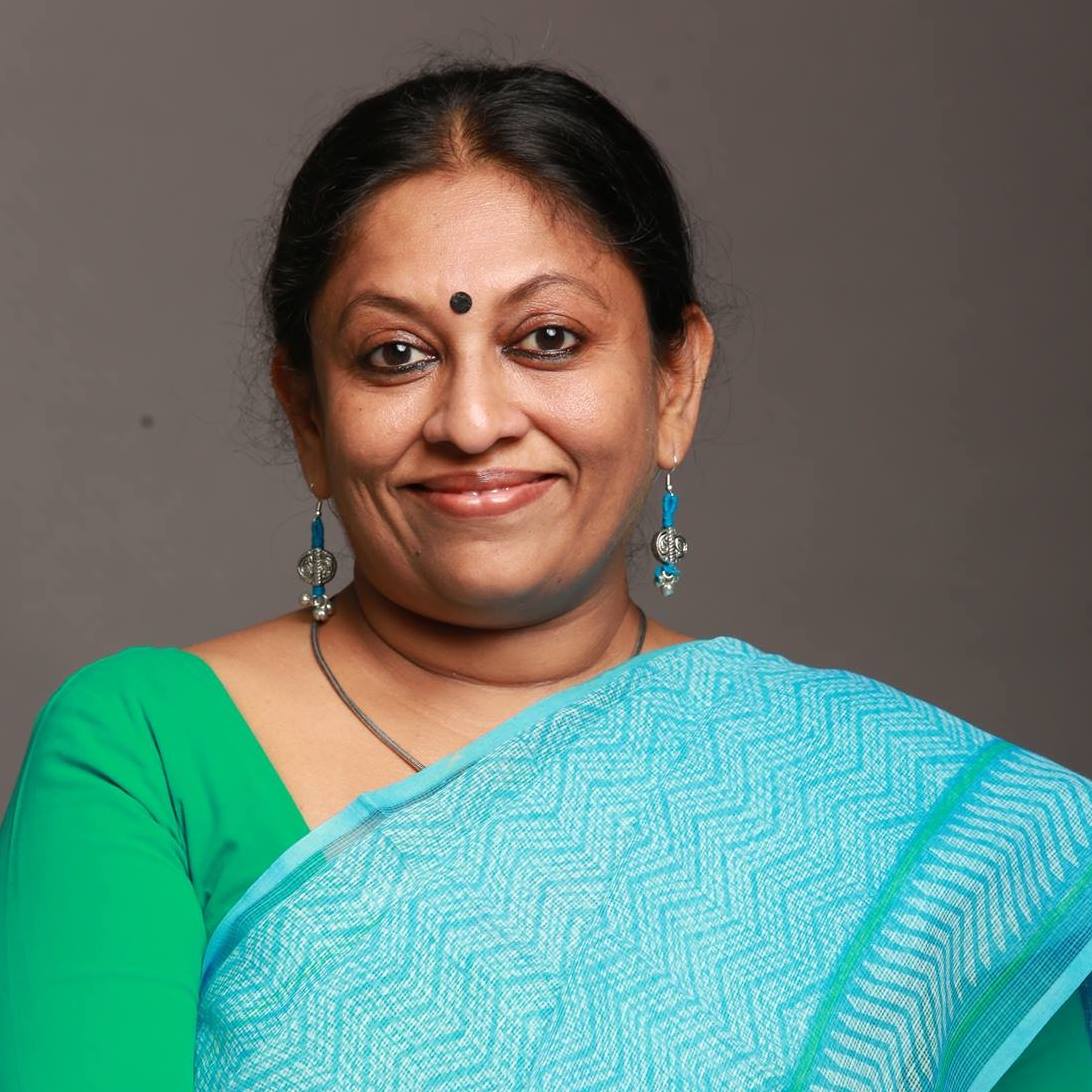
KR Meera.
On the other hand, those defending Meera insist that the allegations lack substance.
They point to the serialisation of Kalachi in 2020, predating the publication of Zin, and argue that writers often arrive at similar ideas independently. Supporters note that themes such as displacement, conflict, longing and journeys across unfamiliar landscapes are universal literary motifs. They also stress that the two novels differ significantly in language, politics, setting and narrative treatment.
The debate has drawn responses from several voices in the literary community.
Writer and commentator Radhika Viswanathan offered a conciliatory perspective, noting that Kalachi was serialised in 2020 while Haritha had reportedly shared her manuscript with writer NS Madhavan during the same period.
According to her, two creative minds may sometimes be inspired by similar currents of thought, social developments, books, films or news events without either influencing the other directly.
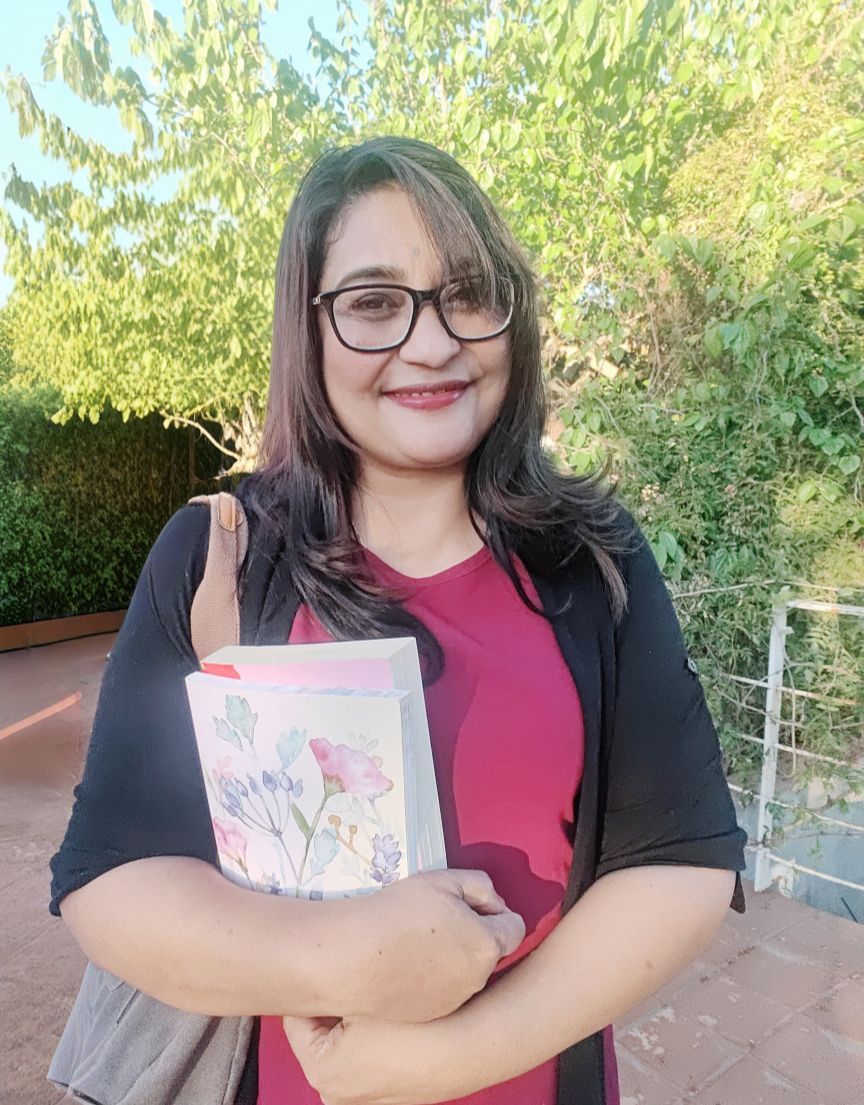
Haritha Savithri.
Rather than prolonging the dispute, she suggested that the authors could transform the moment into a celebration of literature itself through a joint reading session.
Such an event, she remarked, could even be presented as a conversation between “two minds imagining along similar lines”.
Writer Sheela Tomy also dismissed the controversy as unnecessary.
In her view, the only broad similarity between the novels is that a woman travels to a distant land in search of a loved one and encounters hardship along the way.
Beyond that, she argues, the language, structure, worldview and creative assumptions of the two works are fundamentally different.
A novel, she observed, cannot be reduced to a skeletal plot outline; its true identity lies in the emotional and artistic residue it leaves behind.
Drawing from literary history, she pointed out that generations of writers have revisited similar themes, characters and emotional landscapes.
Every writer, she said, is part of a larger continuum of storytelling. If there is one positive outcome from the controversy, it may be that more readers will now pick up both books and judge for themselves.
Writer Shamseer Chathoth took an even stronger stand in defence of Meera, describing the allegations circulating on social media as a form of “cyber trial”. He argued that accusations of literary borrowing based solely on thematic overlap have surfaced repeatedly in literary history and cited several earlier examples where similar claims were eventually found to be unfounded.
According to Shamseer, Meera has produced documentary evidence showing that the seed of Kalachi originated years ago and that the novel began appearing in serialised form on the TrueCopy Think platform in November 2020. He described the claim that a work serialised in 2020 could have been derived from a novel published in 2022 as logically untenable.
He further highlighted the extensive research behind Kalachi, noting that Meera reportedly travelled to regions such as Kazakhstan and Assam to accurately construct the geography and cultural background of the novel. The manuscript, he said, was read by several literary figures before publication.
Shamseer also questioned the timing of the allegations, pointing out that the complainant had allegedly expressed admiration for the manuscript earlier this year before publicly raising objections. In his view, the controversy reflects not only questions about originality but also the increasingly polarised environment surrounding writers who take visible political positions.
Also Read: Humour is in my blood, says Kerala Sahitya Akademi award-winning satirist Jayanth Kamicheril
At the same time, Meera had faced a remarkably similar controversy a few years earlier.
Her acclaimed novel Aarachar (Hangwoman), despite being hailed as a landmark work of Malayalam literature, became embroiled in allegations that its central narrative drew heavily from previously documented research on the life and family history of India’s celebrated executioner, Nata Mullick.
Critics argued that the novel’s factual backbone, distinctive anecdotes and family chronicle closely resembled material gathered through extensive fieldwork, while others pointed to similarities with Joshy Joseph’s documentary One Day from the Hangman’s Life.
Allegations also surfaced that the work drew upon historical details in Sumantha Banerjee’s The Wicked City: Crime and Punishment in Colonial Calcutta and Dangerous Outcast: Prostitution in Nineteenth-Century Bengal, as well as references associated with various online sources and Czech writer Pavel Kohout’s The Hangwoman.
Meera, however, strongly rejected the claims, maintaining that Aarachar was an original work of fiction shaped by literary imagination and publicly available history, turning the dispute into a larger debate over the boundaries between research, inspiration and creative freedom.
(Edited by Muhammed Fazil.)



