

Published Aug 22, 2026 | 9:00 AM ⚊ Updated Aug 22, 2026 | 9:00 AM

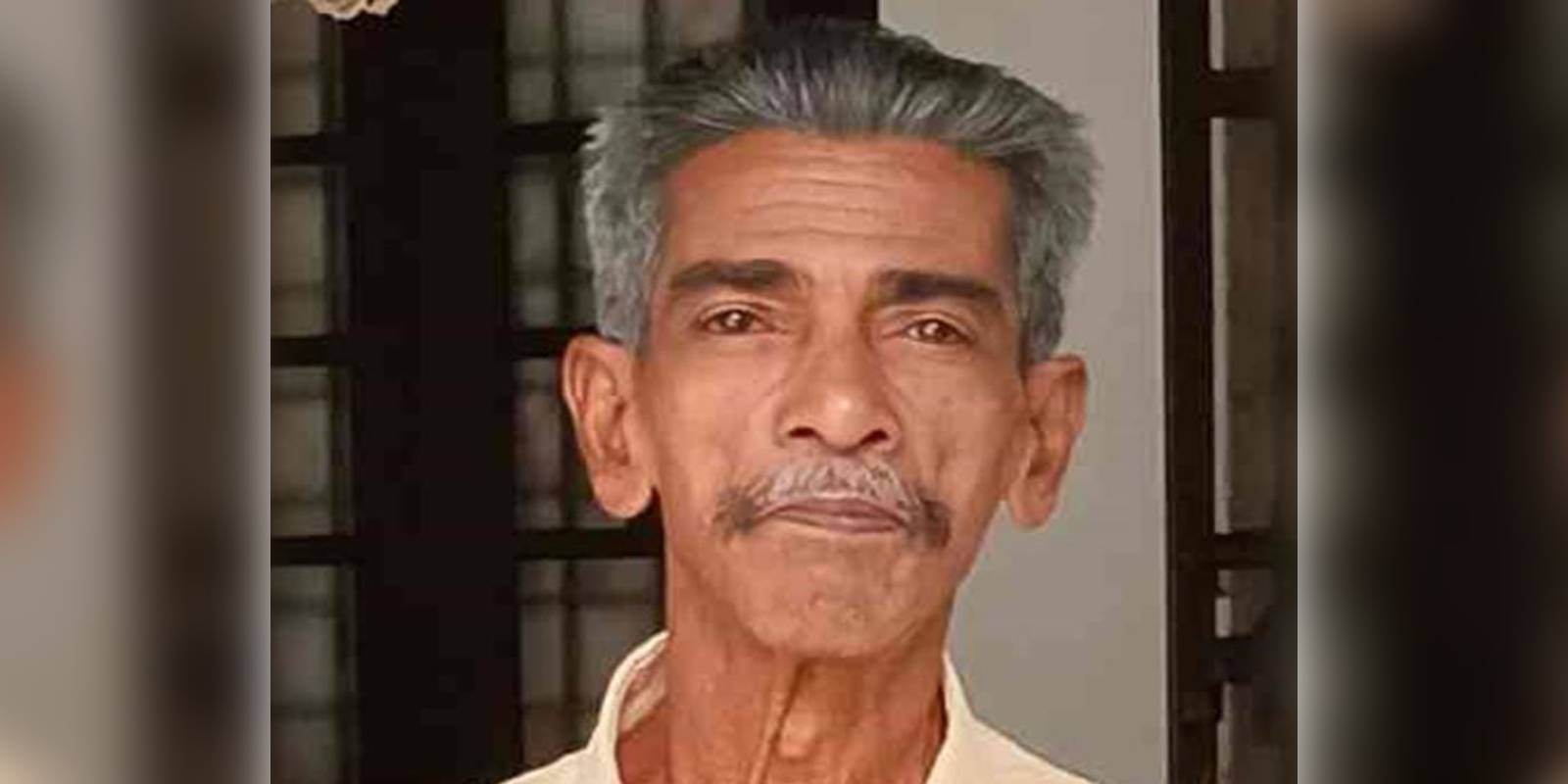
The deceased, Sivankutty Chettiar, a native of Paravoor in Kollam, was found dead inside the rented house where he had been staying with his family.

Synopsis: The four teenagers accused of killing 67-year-old Sivankutty Chettiyar in Kerala’s Alappuzha allegedly discussed several ways to kill him before settling on a plan to enter his house at night and attack him, according to police. The victim’s 13-year-old granddaughter, who police say was the mastermind behind the entire act, allegedly directed the plan, watched the attack through a video call, and later tried to divert the investigation by suggesting that her biological father might have been behind the attack.
The four teenagers accused of killing a 67-year-old man in Kerala’s Alappuzha last week allegedly discussed poisoning him, running him over, and even hiring a “quotation gang” before settling on a plan to enter his house at night and kill him, according to police probing the case.
The victim, Sivankutty Chettiyar, a native of Paravoor in Kollam, was found dead inside his rented house in Karuvatta, Haripad on Monday, 17 August. He had been living there with his family.
Four minors, including his 13-year-old granddaughter and three boys from Paravoor, were taken into custody in connection with the murder.
The plan they eventually attempted was to remove the roof tiles of the rented house, get inside, and drop a large stone on Sivankutty while he slept. But a wooden ceiling beneath the tiles blocked their entry.
The accused had waited until they were certain that Sivankutty was asleep before climbing onto the roof and attempting to remove the tiles, police said.
When they could not get through, Sivankutty’s granddaughter, whom police say was the mastermind behind the entire plot, allegedly remembered an opening near a ventilator. She informed one of the boys that it was large enough for someone to enter.
One of the boys then allegedly entered the house through the opening and opened the door for the others. Sivankutty heard the noise and came to investigate. The three boys allegedly attacked him.
The WhatsApp conversations in which the teenagers discussed the various methods they had considered for killing Sivankutty will likely be a key piece of evidence in the case.
A member of the investigating team said the teenagers had not deleted their conversations. “That could have been overconfidence,” the officer said.
Also Read: What lies beneath the stripes: Pulikali’s tradition, toil and a controversy
The police suspect that the girl planned the murder after accusing Sivankutty of misbehaving with her and enlisted the three boys to carry out the attack.
According to the police, the boys entered the house at night, killed Sivankutty, and made away with gold ornaments from the house.
The girl was not present at the house when the crime took place and allegedly watched the events unfold through a video call. The stolen gold was allegedly to be sold to raise money to buy an iPhone for the girl and a bike for one of the accused.
Picked up separately from three locations, the three boys gave the police virtually the same explanation for being in Haripad: they had come to raise money for the treatment of the girl, who they claimed had a tumour in her stomach.
The investigation team said they took the accused into custody simultaneously, leaving them no opportunity to speak to one another before questioning.
The boys said the girl had shared her location with them and made a video call, but denied knowing about the murder. They claimed they had returned after handing over the money.
The police also found that the girl’s boyfriend had allegedly discussed the robbery several days before the killing.
During interrogation, the girl allegedly admitted to giving the boys specific instructions. She had also convinced them that they would face only lenient punishment because they were minors, the police said.
Notably, the girl had initially suggested that her biological father, who had divorced her mother and was no longer part of the family, had differences with Sivankutty and could have been responsible for the killing. Police believe this was an attempt to divert the investigation.
Also Read: Dearer vegetables, pesticide worries cast a shadow over Keralam’s Onam sadya
After the killing, the teenagers returned home, according to police. The girl later went with her family to Vandanam Government Medical College Hospital, where her mother had been admitted for delivery.
By then, the police had begun to suspect her involvement and were tracing her friends. When approached by the police, one of the three boys reportedly tried to flee but was caught after a chase in the presence of his family.
In a bluff, the police told him that the girl had already confessed. Believing that she had implicated him, he disclosed what he knew about the killing, police said.
Subsequently, the police took the girl from the hospital for detailed questioning. She too admitted her role in the murder, according to the police.
The police are also examining her family background. After her parents’ separation, she had earlier run away from home following quarrels with elders. She was later traced by the police and kept for some time in a government shelter in Alappuzha.
A medical board, including a clinical psychologist, is expected to assist in the detailed assessment and questioning of the girl.
Meanwhile, the Haripad police have approached the Juvenile Justice Board seeking custody of all four accused. The application is expected to be considered on Saturday.
The police have also sought to have the three boys treated as adults.
The 13-year-old girl’s case will remain before the Board. The three boys, aged 16 and 17, can undergo a preliminary assessment in cases involving heinous offences to determine whether they should be tried as adults in a Children’s Court.
Also Read: Muthanga struggle: High Court suspends sentences, grants bail to Geethanandan, 3 others
The case cannot simply be treated as a result of teenage impulsiveness, a psychiatrist at a Government Medical College told South First.
Though emotional control, reward processing and judgement are yet to be fully developed during adolescence, adolescents can understand the consequences of their actions, they said.
Evidence of preparation and concealment would have to be examined alongside each child’s developmental maturity and understanding of right and wrong.
A child psychiatrist said family conflict, rejection and a troubled home environment could be risk factors, but could not by themselves explain violent behaviour. Personality, coping abilities, peer relationships and previous conduct would also have to be assessed. Peer influence, too, could not be assumed to have affected all four adolescents in the same way.
Dr Arun B Nair, Professor of Psychiatry at Government Medical College Thiruvananthapuram, said the teenagers involved in the case might have a history of conduct disorder, marked by a consistent pattern of aggressive behaviour and actions that harm the well-being of others. But this could be confirmed only after a detailed examination of their lives.
Dr Nair said the detailed planning of a crime by children also raised questions about where they accessed such information, including through cinema and other digital content.
“What is often seen is that teenagers get carried away by the kind of explosive digital content that comes their way. That includes cinema and web series. Those who are inspired by such content and plan something sinister most often fail to understand that investigation techniques have also become advanced. The absence of societal connect is a big issue. Youngsters are glued to screens, and this affects their behaviour and cognition,” he said.
“Another major aspect is that broken or dysfunctional families can have a greater impact on a child’s psychology. In this case, the girl is said to be from a broken family. Also, if children have started planning and executing a crime like adults, that means they have access to such information and details from various platforms, including cinema, web series, and even news articles or news videos,” he said.



