

Published Aug 21, 2026 | 8:00 AM ⚊ Updated Aug 21, 2026 | 8:00 AM

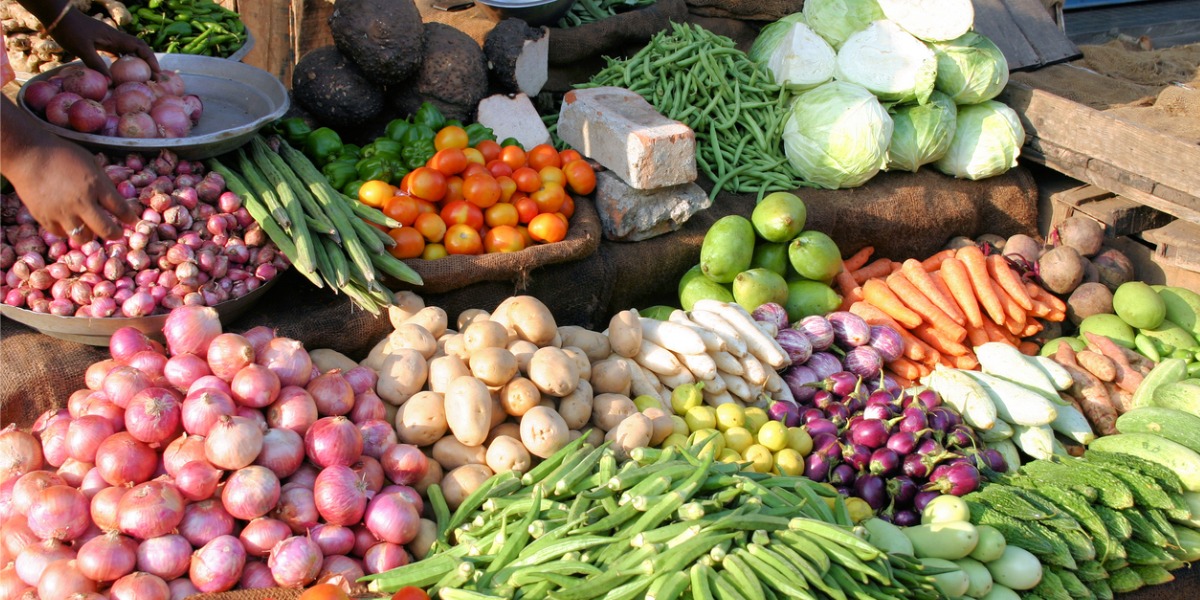
Food safety tests conducted across the State found excessive pesticide residues or other toxic substances in some samples.

Synopsis: With Onam days away, households in Kerala are facing higher prices for vegetables, rice, sugar and coconut oil, while heavy rain, crop losses and rising demand have tightened supplies. Food safety tests have also found pesticide residues above permissible limits in some fruit and vegetable samples, raising concerns over repeated exposure.
With Onam just days away, vegetable markets across Kerala are witnessing the familiar seasonal rush as households prepare for the traditional Onam sadya, even as soaring prices and pesticide residue findings add to consumers’ concerns.
The elaborate vegetarian feast can feature as many as 28 dishes, ranging from boiled red rice and curries to savouries, pickles and desserts, with vegetables forming a major part of the spread.

Sadhya
This season, essentials such as ginger, carrot, banana, curry leaves, coriander leaves and mint have all seen soaring prices.
Food safety tests conducted under the State government’s ‘Safe to Eat’ project have also found excessive pesticide residues or other toxic substances in some samples. Official laboratories, including those at Vellayani and Mannuthy, tested 1,262 food samples, of which 58 were found to contain excessive pesticide residues or other toxic substances.
“When we buy vegetables from shops, we may, in effect, be bringing these substances into our homes and giving them to our families. This is a very serious issue,” State Agriculture Minister T Siddique told reporters.
The government would step up efforts to encourage organic vegetable cultivation in response to the findings, he said.
“There are two aspects to this. One is promoting organic vegetable farming, and the other is creating a culture in which households take up cultivation on their own land. The government is moving in that direction. The ‘Kathir’ project was formulated with this objective,” Siddique said.
Also Read: Sunflower oil costs 63% to 74% more than it did in 2024; Price of rice, milk, sugar hits new highs
The 71st report of the Pesticide Residue Toxicity Testing Laboratory at Vellayani Agricultural College, released by the State government on 3 August, covers samples collected between April and June 2026.
The project is being implemented with financial support from the Department of Agriculture Development and Farmers Welfare, with testing conducted at the laboratory under Kerala Agricultural University.
For the latest round, Food Safety Department officials collected 178 fruit and vegetable samples from 19 blocks and 10 municipalities across Alappuzha, Ernakulam, Kollam, Malappuram and Thiruvananthapuram districts.
Four samples, accounting for 2.25 percent of those tested, exceeded the permissible pesticide residue limits prescribed under FSSAI/Codex standards. They included two beetroot samples, one tomato sample and one black grape sample.
The pesticides detected above the permissible limits were Thiamethoxam, Omethoate and Chlorantraniliprole.
The health implications vary considerably depending on the chemical involved, the concentration of the residue and the duration of exposure, according to a Food Safety Department official.
Occasional exposure to small quantities does not necessarily cause immediate illness, but prolonged and repeated exposure is a concern that warrants monitoring.
Also Read: Elanthoor human sacrifice case accused held with suspected hash oil
Among the chemicals detected, Omethoate is considered the most concerning. An organophosphate pesticide, it acts on the nervous system.
Significant short-term exposure can cause symptoms such as dizziness, nausea, headache, watery eyes, sweating and stomach cramps. Prolonged exposure to lower levels has also been associated with neurological effects, including fatigue, memory problems, mood changes and nerve-related damage.
Thiamethoxam, a neonicotinoid, also acts on the nervous system of insects and is generally regarded as less acutely toxic to humans than organophosphates such as Omethoate. Higher exposure may cause symptoms including nausea, headache and stomach discomfort, while concerns have been raised about the possible effects of prolonged exposure on organs such as the liver and kidneys, as well as hormonal and reproductive functions.
Chlorantraniliprole, a diamide insecticide, is considered to have relatively low toxicity to humans because it targets a muscle-related mechanism that is much more specific to insects. Available toxicological assessments indicate low overall human toxicity, with the compound being metabolised and eliminated from the body relatively quickly.
Consumers say they are cutting down quantities rather than dropping items altogether as the cost of filling an Onam shopping basket has risen considerably in recent weeks.
Ginger is currently the most expensive among commonly purchased vegetables, retailing at around ₹220-₹250 a kg. Vegetable vendors attribute the increase to crop losses caused by heavy rain and warn that the price could rise further in the coming days.
Carrot is selling at about ₹120-₹130 a kg, while bitter gourd costs around ₹90-₹100. Raw banana, essential for preparing the banana chips associated with Onam, is priced at about ₹75-₹90 a kg and could become costlier by next week.
Even ingredients bought in small quantities are adding to the bill. Curry leaves, coriander leaves and mint are being sold at around ₹100 a kg.
Yardlong beans and beans are priced at ₹90 and ₹80 a kg, respectively. Potatoes, tomatoes and onions remain comparatively cheaper at around ₹25, ₹26 and ₹36 a kg. However, supplies of pumpkin and cucumber, both important ingredients in traditional Onam preparations, are also reported to be relatively low.
Rice, another major component of the Onam household budget, has become costlier. Wholesale prices of Matta, Surekha and Jaya have increased by between ₹4 and ₹10 a kg in recent weeks. The increase, though smaller than the spikes seen in some vegetables, is adding to the cumulative burden on families preparing for the festival.
Wholesale sugar prices have also moved up, adding another expense as demand for festival provisions rises.
Coconut oil, indispensable to Kerala’s festive cooking and particularly to the preparation of banana chips, is another major concern. Retail prices are already above ₹300 a kg, with market participants expecting a further increase. Some traders fear the price could cross ₹500 a kg if the present trend continues.
Also Read: Three months in power, KPCC reorganisation held up by factional claims and political equations
Retailers attribute the price increase to a combination of weather-related crop damage, lower production and rising seasonal demand. The short shelf life of some vegetables has further restricted supplies, they say.
Heavy monsoon rainfall has affected cultivation in several parts of Kerala, particularly farms in hilly regions, reducing the volume of locally grown vegetables reaching markets.
The supply gap is being bridged largely through purchases from neighbouring States. A substantial share of Kerala’s vegetables comes from Tamil Nadu and Karnataka, while onions and potatoes are sourced from markets in Pune and Nashik. Any increase in wholesale rates at these source markets is quickly reflected in Kerala’s retail prices.
“Adverse weather conditions and heavy rainfall have damaged crops, reducing the quantity of vegetables available in the market. Prices could rise further in the coming days as demand is expected to go up ahead of Onam,” vendors said.
Retailers say the increase did not begin with the final rush for Onam shopping. Prices had started moving up even before the beginning of Karkidakam, the Malayalam month preceding Chingam.
According to traders, wholesale prices have risen across a wide range of vegetables, with retail rates increasing by roughly 10 percent to 30 percent for many items.
Also Read: After the rains, Giant African Snails leave a trail of damage in Kerala
The government has stepped up measures to keep essential commodities available at affordable prices and curb hoarding and black marketing.
Supplyco’s Maveli Stores are offering 13 essential commodities at subsidised rates, with supplies to all Supplyco outlets continuing without any increase in prices.
Ten essential commodities, including chickpeas, broad beans, lentils and sorghum, are being sold at rates lower than those fixed during last year’s Onam season.
The price of Sabari coconut oil has also been reduced. A litre will now cost ₹229 through Supplyco, ₹20 less than the earlier price of ₹249.
Consumers can purchase the subsidised commodities allotted for August and September together using their ration cards, providing an additional benefit during the Onam season.
The government said the Onam markets organised by Supplyco are intended not merely to offer commodities at lower prices but also to ensure that quality products reach consumers without difficulty.
The government has also promised stringent action against hoarding, black marketing and attempts to push up prices during the festival season.
The Agriculture Department will set up around 2,000 vegetable markets across Kerala through Horticorp and the Vegetable and Fruit Promotion Council Kerala (VFPCK). The initiative, backed by a government allocation of ₹20 crore, is intended to ensure a steady supply of quality vegetables at reasonable prices during Onam.
District administrations have also constituted special enforcement squads to monitor markets and prevent unfair price increases and illegal stocking of essential commodities.
The squads include officials from the Civil Supplies, Legal Metrology, Police, Revenue and Food Safety departments. Joint inspections are already under way at markets and business establishments as part of the intensified pre-Onam enforcement drive.



