

Published May 14, 2026 | 12:05 PM ⚊ Updated May 14, 2026 | 2:08 PM

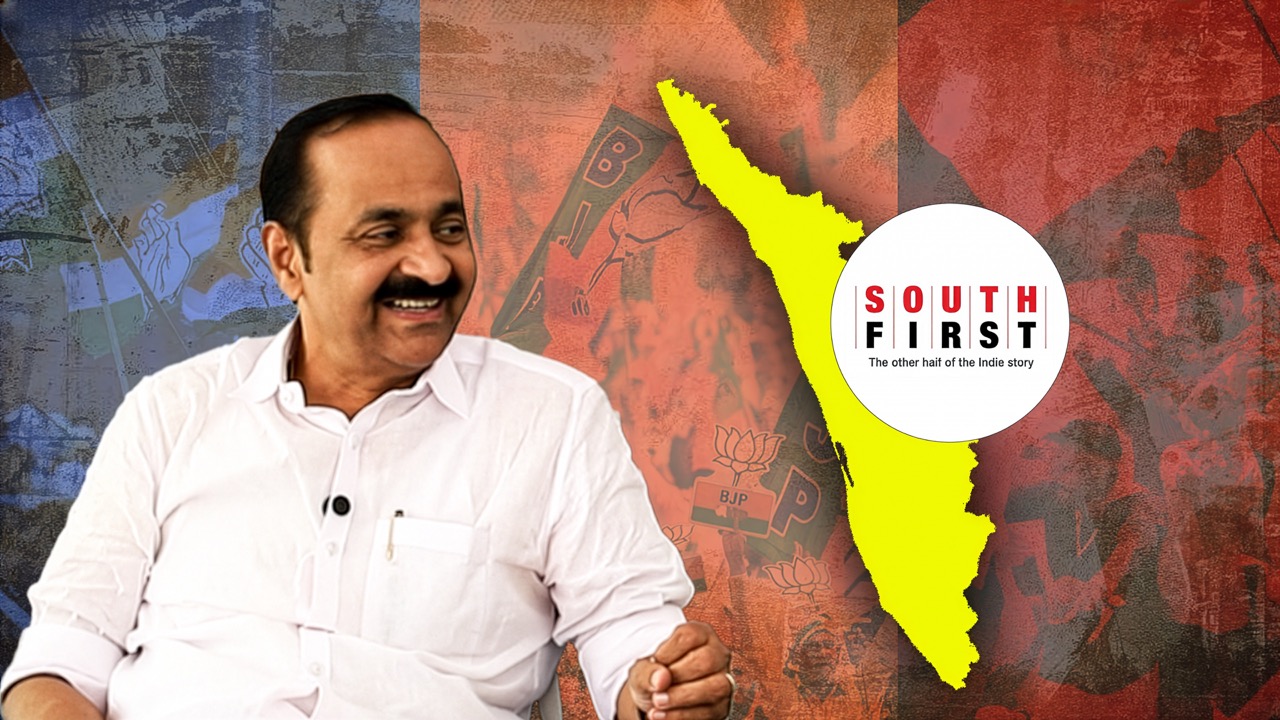
VD Satheesan

Synopsis: Over the five years he served as Leader of the Opposition, Satheesan transformed the UDF’s tone, launched targeted campaigns and projected unusual confidence even when many within the Congress remained uncertain. Long before anyone else, he repeatedly spoke about the possibility of the UDF crossing the 100-seat mark. As with many of his past poll predictions, rivals often dismissed the claim — but this time too, it proved accurate.
Ten days after the United Democratic Front (UDF) scripted a historic victory by winning 102 seats in Kerala’s 140-member Assembly, the Congress has finally chosen VD Satheesan as its pick for the Chief Minister’s post.
Despite KC Venugopal being the popular choice of MLAs and high command, the cadres have prevailed in the party’s decision. South First had exclusively reported that the Congress high command had put its weight behind Venugopal. Yet, the party has set aside majority choice of MLAs and the high command, especially Rahul Gandhi, to pick VD Satheesan for the top job.
The decision ends days of deadlock within the Congress camp, where the party high command appeared paralysed by indecision over which of the three leading contenders to pick after the poll results: VD Satheesan, KC Venugopal and Ramesh Chennithala.
The process was further complicated when one of the AICC’s own observers inadvertently leaked the preferences of a majority of the MLAs-elect.
At least 40 of the 63 MLAs-elect preferred Venugopal. As AICC General Secretary (Organisation), Venugopal had been instrumental in securing tickets for many of these MLAs-elect, and many were said to feel personally indebted to him.
But Satheesan was the face of the UDF’s winning campaign, captaining “Team UDF” with unusual cohesion and often projecting clarity when the coalition itself seemed uncertain.
As uncertainty over the Chief Ministership dragged on, restlessness spread among the party cadre. In Kottayam, one Congress worker even attempted self-immolation demanding Satheesan as Chief Minister.
Demonstrations, emotional appeals and spontaneous gatherings emerged across multiple districts. Curiously, nobody came to the streets for Venugopal or Chennithala in the same way.
At the same time, UDF allies—IUML, Kerala Congress (Joseph) and RSP—were said to be increasingly anxious over the delay in government formation.
But in the end, the chair went to the man voters saw as the natural face of the UDF’s revival.
Also Read: Government missing, lobbying thriving: Kerala waits while power corridors warm up
Like many Congress leaders in Kerala, Satheesan entered public life through student politics. He served as Arts Club Secretary of Sacred Heart College, Thevara, and later became a Union Councillor at both MG University and the University of Kerala.
During 1986–87, he served as Chairman of the MG University Union and later held the post of National Committee Secretary of the National Students’ Union of India.
His electoral career began with defeat. In 1996, Satheesan contested from Paravur and lost to CPI candidate P Raju at a time when the constituency was considered a Left bastion.
In 2001, while practising as an advocate at the Kerala High Court, he contested for a second time from Paravur and defeated LDF candidate KM Dinakaran, entering the Assembly for the first time.
Since then, he has never lost the constituency, returning in 2006, 2011, 2016, 2021 and again in 2026. Paravur is now considered one of the Congress party’s strongest fortresses in central Kerala.
Across those elections, he defeated formidable opponents, including Pannyan Raveendran and several CPI candidates, by increasingly larger margins. In 2026 too, he returned to the Assembly with a majority exceeding 11,000 votes.
Yet he never became a minister when the UDF was in power, nor did he occupy the KPCC president’s post.
Even so, inside the Assembly, Satheesan built a reputation as one of the Congress’s sharpest parliamentary voices.
During the 12th Kerala Legislative Assembly, he served as the party’s Chief Whip and drew major public attention through campaigns against inter-state lotteries.
He also emerged as one of the few legislators to consistently speak on environmental protection and support the recommendations of the Gadgil Committee report, often taking positions beyond conventional partisan politics.
But the defining moment of his career arrived on 22 May 2021, when the Congress Working Committee appointed him Leader of the Opposition in Kerala after the party’s defeat in the Assembly elections.
Curiously, his key rival for the Chief Minister’s post, KC Venugopal, was long believed to have been one of the key architects of Satheesan’s elevation as Leader of the Opposition.
Over the next five years, Satheesan transformed the opposition’s tone, launched targeted campaigns and projected unusual confidence even when many within the Congress remained uncertain.
Long before anyone else, he repeatedly spoke about the possibility of the UDF crossing the 100-seat mark. Like many of his poll predictions in the past, the claim was often dismissed by rivals, but proved accurate.
Also Read: From 1960 to 2026: Why Congress struggles to name CMs in Kerala
KC Venugopal may have ultimately lost out to Satheesan, but he is still widely seen as one of the Congress party’s most trusted organisational minds.
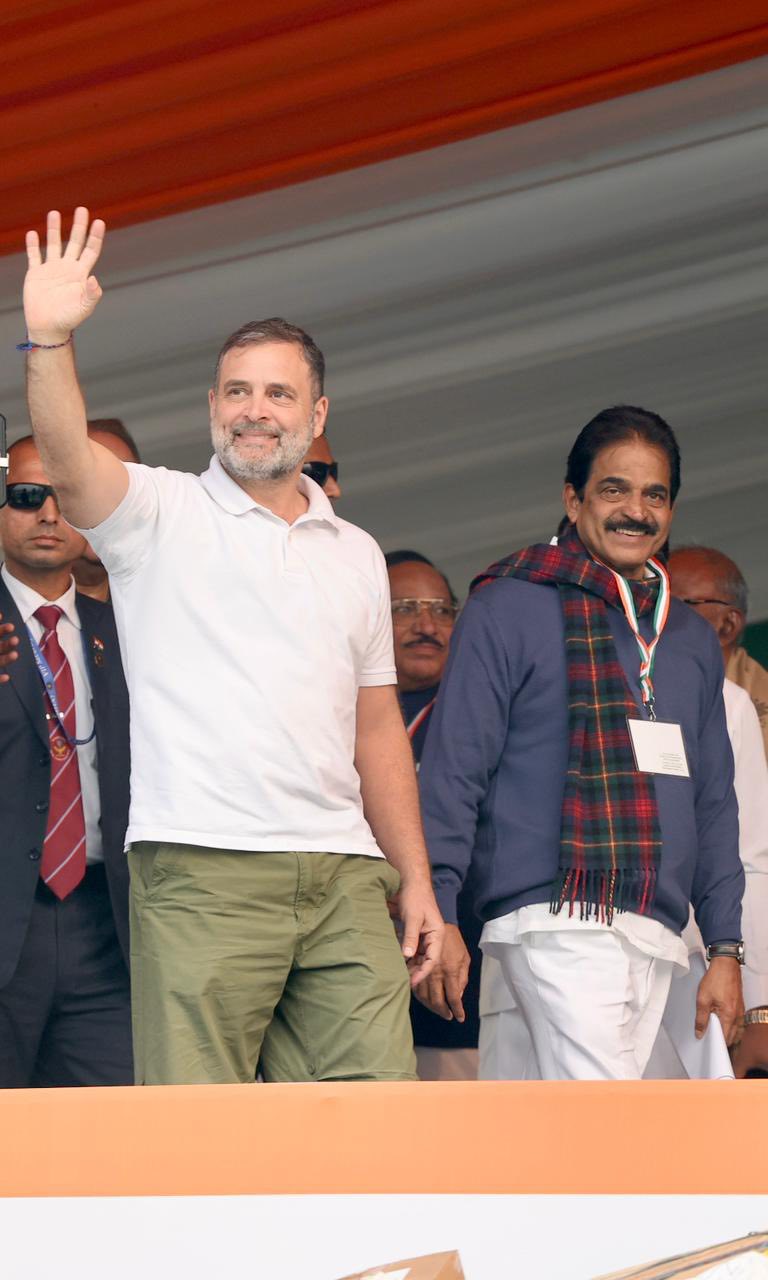
K C Venugopal with Rahul Gandhi
Venugopal occupies a position few leaders within the Congress enjoy – complete trust from Rahul Gandhi, along with deep organisational influence across states and factions.
Many within the Congress compare him to Ahmed Patel, the veteran Congress strategist who for years operated as the party’s crisis manager without seeking positions of office for himself.
Patel wielded enormous influence during the UPA era, yet consciously stayed away from ministerial power, believing his larger responsibility was to hold the organisation together.
Venugopal’s decision to step away from the Kerala race, especially with crucial elections approaching in states like Punjab and Uttar Pradesh and with the INDIA bloc entering a politically decisive phase, is being interpreted by many Congress workers in a similar light – organisational responsibility taking precedence over personal ambition.
Still, Congress leaders insist on one point clearly: Satheesan is becoming Chief Minister not because Venugopal sacrificed the post, but on his own merits.
(Edited by Dese Gowda)



