

Published Sep 15, 2026 | 1:49 PM ⚊ Updated Sep 15, 2026 | 1:49 PM

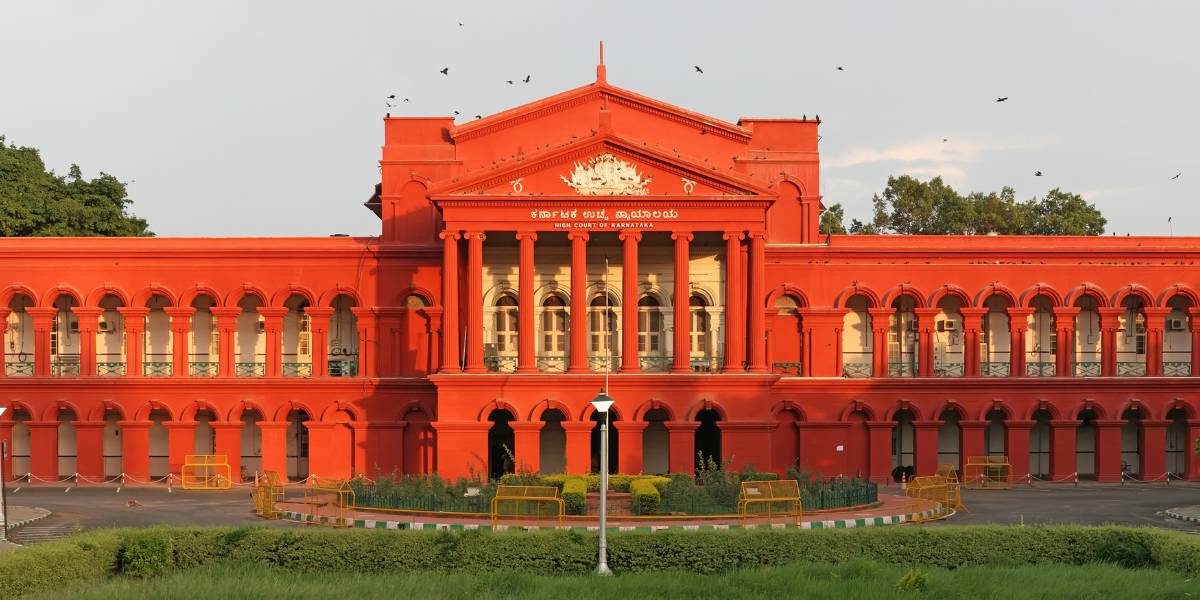
The plea, filed by advocate Girish Bharadwaj through advocate Angad Kamath, is expected to be mentioned on September 15, for listing.

A Public Interest Litigation (PIL) has been filed before the Karnataka High Court challenging the state government’s September 8 order directing that only the first two stanzas of Vande Mataram be sung at state functions, except those attended by the President, Vice-President, Prime Minister or Governor.
The plea, filed by advocate Girish Bharadwaj through advocate Angad Kamath, is expected to be mentioned on Tuesday, September 15, for listing. It argues that the state order conflicts with the Union Government’s protocol prescribing the six-stanza version of the National Song.
The petitioner contends that the subject of the National Song does not fall under the State or Concurrent Lists and therefore lies within Parliament’s domain under Article 248 and Entry 97 of List I. It argues that what the State Legislature cannot do through legislation, the government cannot achieve through an executive order under Article 162.
The plea also alleges violations of Articles 256, 257 and 19(1)(a) and relies on the Prevention of Insults to National Honour (Amendment) Act, 2026. It further claims that the Cabinet decision was taken during an “informal discussion” without a formal Cabinet Note or Law Department advice, in violation of the Karnataka Government Transaction of Business Rules.
The Congress government’s September 8 order formalised Chief Minister D.K Shivakumar’s earlier stand that Karnataka would follow the party’s position of using only the first two stanzas of the song at regular government programmes.
The order stated that limiting the rendition of Vande Mataram was intended to ensure uniformity, dignity, and proper etiquette at official events.
“The Government has considered the need to maintain uniformity, respect and proper etiquette in the playing/singing of the national song ‘Vande Mataram’ in accordance with the nature and context of various government programmes and ceremonies held in the State,” the order said.
The order was circulated among various government departments, district administrations, universities, KPSC, and senior police officials.
(Edited by Fayisa CA)
Also Read: Explained | Vande Mataram: The history behind Congress’ two-stanza decision—is the BJP ignoring it?
Also Read: ‘Legislating Reverence’: Inside the new Bill granting legal protection to Vande Mataram



