

Published Sep 10, 2026 | 4:37 PM ⚊ Updated Sep 16, 2026 | 3:19 PM

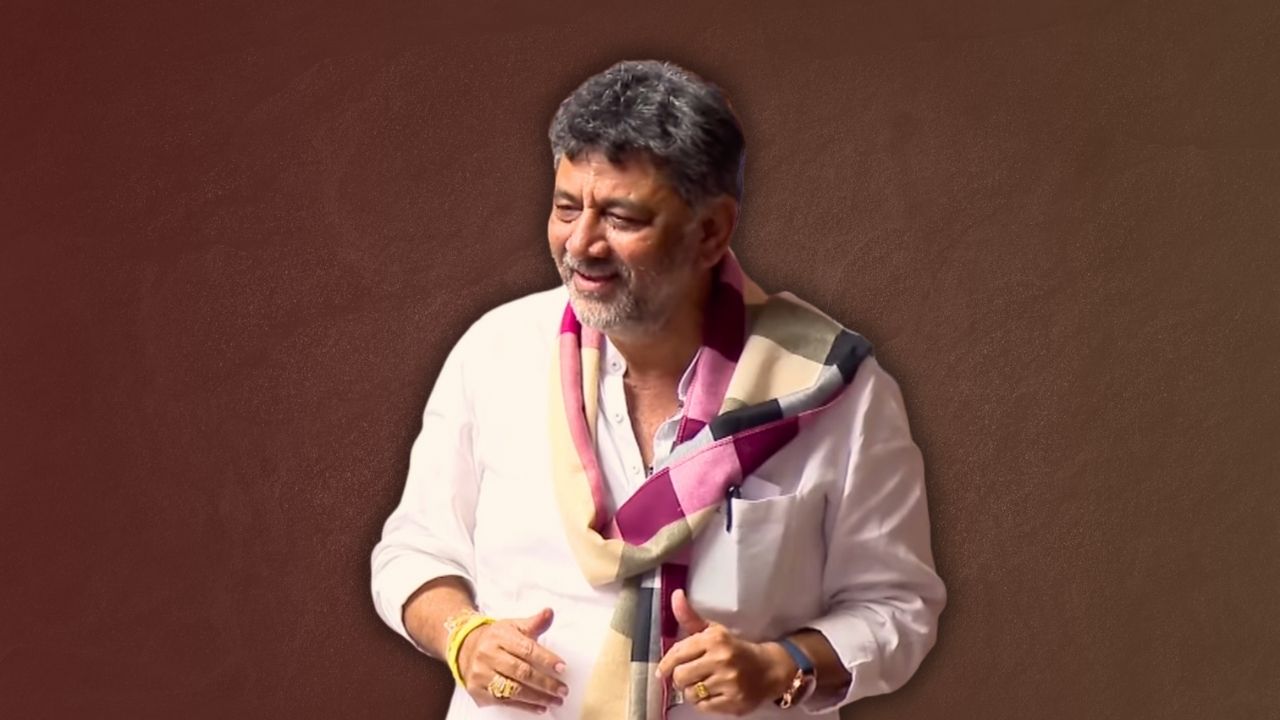
Karnataka Deputy Chief Minister DK Shivakumar.

The Karnataka government has ordered that only the first two stanzas of the national song Vande Mataram be sung or played at state government programmes and official functions.
The September 8 order, issued following a Cabinet decision, excludes events attended by the President, Vice-President, Prime Minister or Governor, where the complete version of Vande Mataram may be rendered.
The Congress government said the protocol is intended to ensure uniformity, dignity and proper etiquette in the rendition of the National Song at official events.
“The Government has considered the need to maintain uniformity, respect and proper etiquette in the playing/singing of the national song ‘Vande Mataram’ in accordance with the nature and context of various government programmes and ceremonies held in the State,” the order said.
Also Read: 100 days of Shivakumar rule: Siddaramaiah invited to inaugurate event as BJP prepares ‘chargesheet’
The order follows Union Home Ministry guidelines issued earlier this year on the official version of Vande Mataram and the occasions on which it should be played or sung.
The move formalises Chief Minister D.K Shivakumar’s earlier stand that Karnataka would follow the Congress position of using only the first two stanzas of the song at regular government programmes.
The decision comes amid a wider national political row over whether two stanzas or the complete version of Vande Mataram should be sung at official events.
The political debates on Vande Mataram intensified after the BJP-led central government introduced the Prevention of Insults to National Honour (Amendment) Bill, 2026, in Parliament. The Bill was subsequently passed by both Houses despite strong objections from the Opposition.
The Amendment seeks to grant the national song Vande Mataram the same statutory protection as that of the national anthem. It also makes it an offence to intentionally prevent or cause a disturbance during the singing of Vande Mataram.
(Edited by Fayisa CA)



