

Published Nov 17, 2026 | 12:00 PM ⚊ Updated Nov 17, 2026 | 12:00 PM

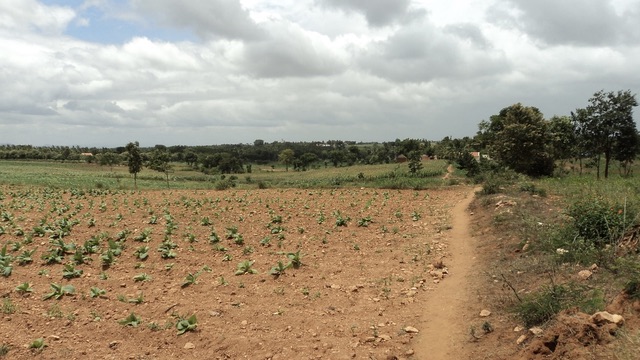
The failure of the red gram crop is expected to cause a spike in food prices across Karnataka. (Representative image).

Synopsis: Karnataka recorded its second-lowest rainfall in 70 years in 2026, leaving 226 taluks drought-hit and causing crop losses across 53.92 lakh hectares, with the economic cost estimated at ₹60,000 crore to ₹70,000 crore. The damage to maize, red gram and other crops threatens to affect livestock, farmers’ incomes and food supplies, potentially pushing already high food prices even higher. With rising cultivation costs, mounting debts and inadequate drought relief adding to farmers’ distress, experts and farmer leaders call for long term solutions.
Ramesh, a farmer in Karnataka’s Kalaburagi district, begins each day scanning the horizon for rain clouds. With each passing day, his hopes wither like the cotton and sugarcane crops on his five acres under the scorching sun.
“I am entirely dependent on the rains. We are supposed to receive water from the Bhima River in summer, but due to deficient rainfall, we didn’t receive that either,” he says.
In 2026, the state recorded its second-lowest rainfall in 70 years, with 226 of its 240 taluks declared drought-hit. The failure of the monsoon has left behind parched fields, withered crops and the loss of an entire season’s labour.
The district-wise crop assessment, prepared as part of the state’s drought survey, puts the total area of agricultural crop loss at around 53.92 lakh hectares. The economic cost of the drought is estimated at ₹60,000 crore to ₹70,000 crore.
Data accessed by South First from the Revenue Department show that maize and red gram have emerged as the worst-affected crops, accounting for nearly 41 percent of the total crop-loss area of 53.92 lakh hectares.
Cotton was the third most affected crop, with losses reported across 6.48 lakh hectares, followed by ragi (5.55 lakh hectares) and sugarcane (4.88 lakh hectares).
Revenue Minister G Parameshwara has repeatedly written to the Union Government, seeking funds from the National Disaster Response Fund (NDRF) to provide farmers with some relief.
The minister said the scale of the losses could also affect food availability in the coming months, as essential cereals, pulses and oilseeds have also been affected.
“The drought has caused an estimated 82 percent loss in food production, raising concerns over foodgrain availability,” he told reporters.
Also Read: Math of 7.5-km line that PM will inaugurate: BJP vs Congress dispute over who pays for Namma Metro
Getting a composite picture of drought and its various domino effects is not easy, says VS Prakash, who was recently appointed a member of the Karnataka State Policy and Planning Commission and formerly served as director of the Karnataka State Natural Disaster Monitoring Cell.
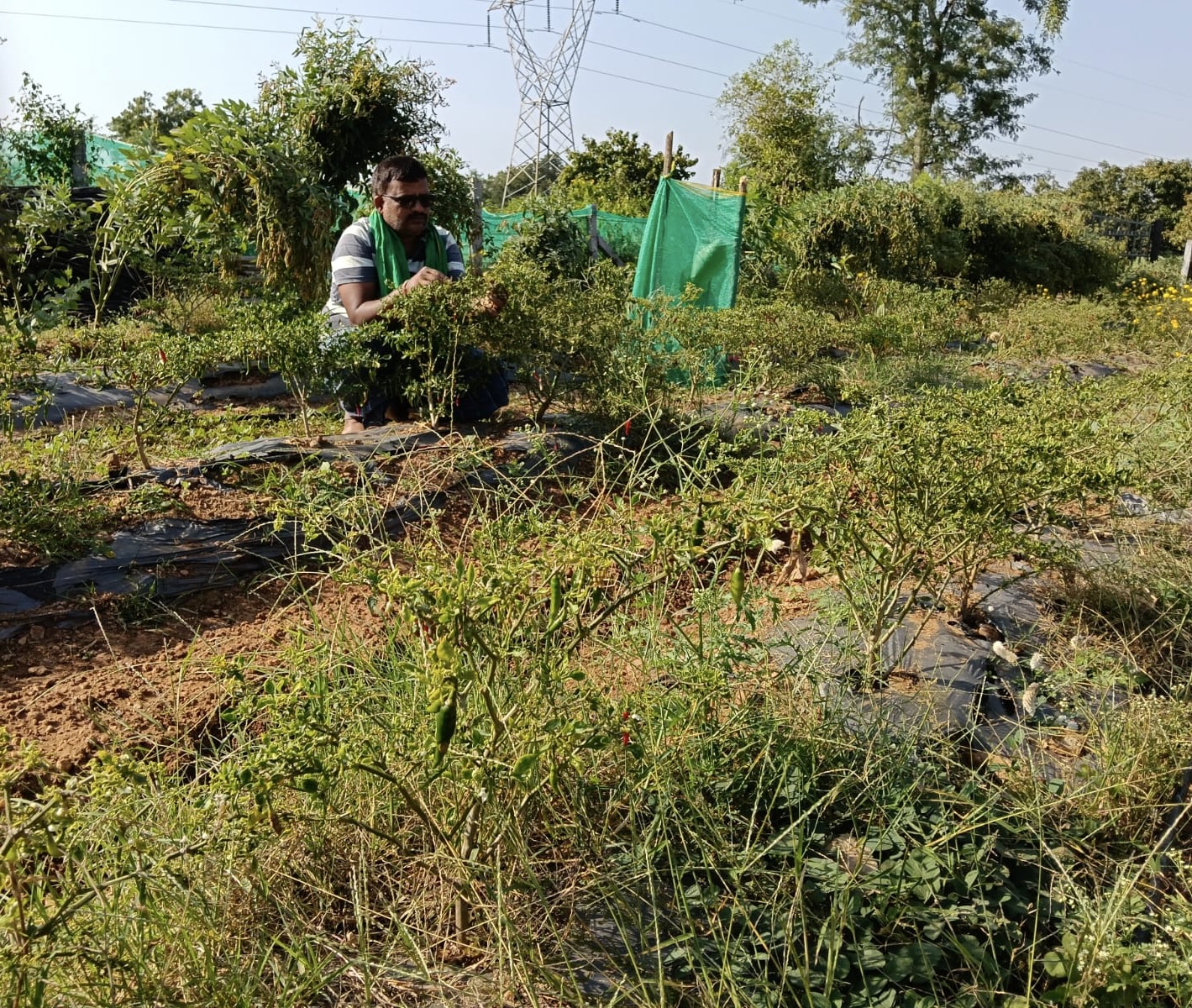
Baradanapura Nagaraj inspects his withering crop in Mysuru district.
“The first to be impacted by a drought is livestock. With a meteorological drought, which is what we are experiencing this time, fodder is affected, as the biomass of all plants is affected. The rural economy depends on livestock,” he says.
The loss of maize could also have consequences for animal husbandry, as the crop is an important component of livestock and poultry feed.
“Maize is generally not consumed as a foodgrain and is largely used as animal feed,” says Thimmegowda MN, Professor of Agrometeorology at the University of Agricultural Sciences, Bengaluru.
A decline in fodder availability can affect the production of milk, meat, eggs and wool, with implications for farmers’ incomes.
“When rainfall is inadequate, fodder growth becomes stunted. This, in turn, affects milk yield, meat, egg and wool production. Ultimately, the farmer’s income and purchasing power are affected. The impact extends beyond agriculture to the rural economy and even government revenue,” he says.
Baradanapura Nagaraja, a horticulture farmer in Mysuru district, says livestock provides farmers with a regular source of income, even when earnings from crops are uncertain. “Every week, there is some liquid cash coming in,” he says.
Nagaraja grows tomatoes and bananas on the three-quarter acre he owns and another two acres he leases. He says many farmers in the district now have to buy fodder for their cattle, adding to their expenses.
“Generally, farmers earmark a section of their land to grow fodder for the one or two cows they own. Having livestock enables a daily cash flow. Buying fodder is an additional expenditure,” he says.
A 2019 study found that among marginal farmers who own less than one acre, income from livestock-rearing activities was higher than income from crop production.
Despite the security that cattle may provide, crop failure and the resulting burden of debt may make farmers reluctant to pay out of pocket for fodder.
“The additional expenses, over a long period, might force many farmers to give up their cattle,” says Nagaraja.
Also Read: Karnataka households feel the squeeze as milk and bus fare hikes add to rising living costs
The failure of the red gram crop is expected to cause a spike in food prices across Karnataka, particularly given the state’s limited stocks of tur dal, a food staple in the region.
“The state generally has lower buffer stocks of pulses like tur dal or red gram. This might lead it to import supplies from other states or countries to meet the [demand],” says Thimmegowda.
Data released by the Reserve Bank of India on November 12 show that Karnataka recorded food inflation of 12.16 percent in October, the third highest among states after Andhra Pradesh (13.23 percent) and Tamil Nadu (12.37 percent).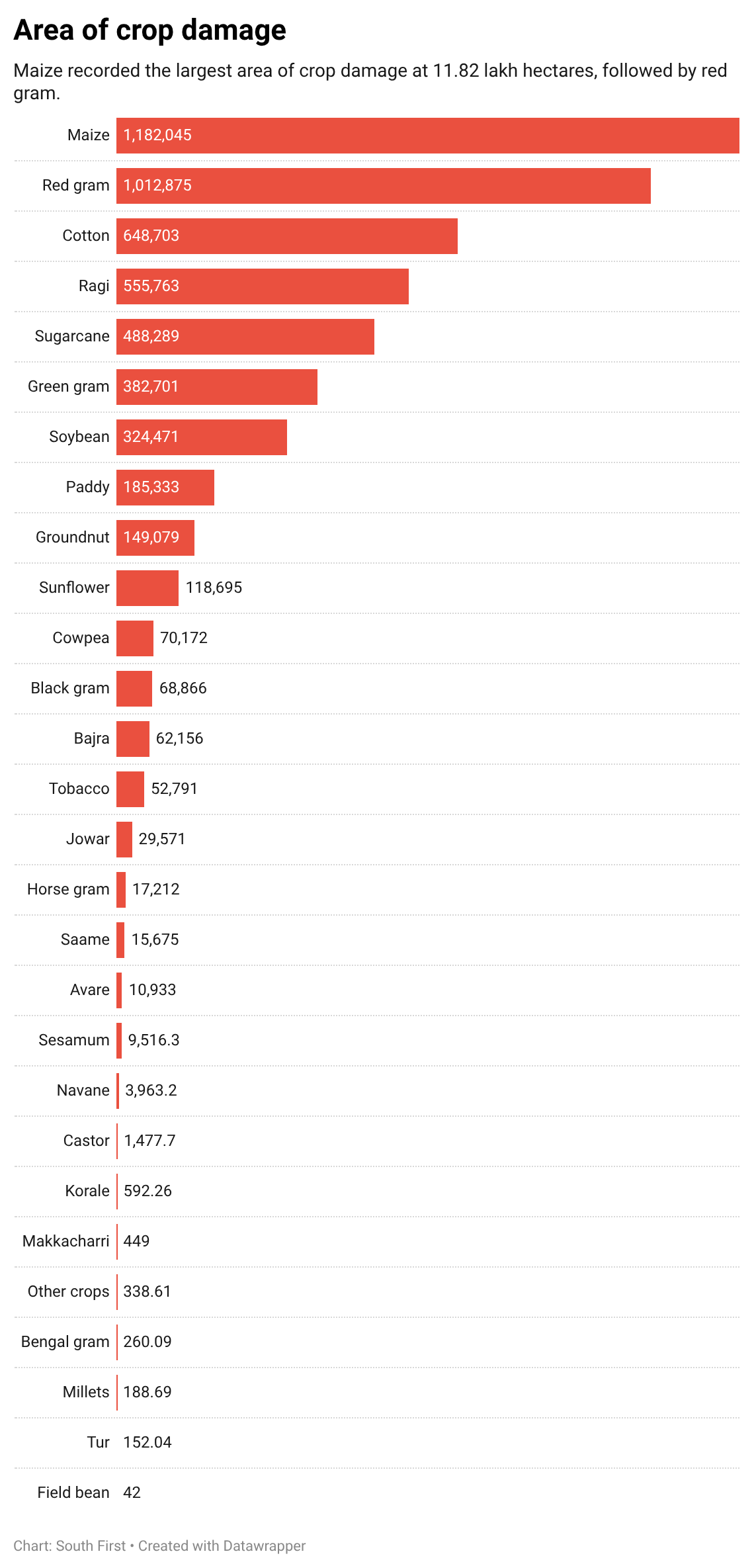
Overall retail inflation in the state stood at 7.54 percent in rural areas and 6.60 percent in urban areas, both above the national average of 6.09 percent. At the national level, food inflation climbed to 8.94 percent in October from 7.74 percent in September, pushing retail inflation beyond the RBI’s upper tolerance limit of 6 percent.
While global conflicts have disrupted supply chains and driven up prices, the poor monsoon and adverse weather have dealt another blow to agricultural production.
The damage to the kharif crop could affect food supplies well beyond the harvest season. With the rabi sowing season underway, delayed planting of crops such as wheat and gram could further tighten supplies and keep prices elevated in the months ahead.
Rice, which has been relatively less affected by the drought, may not remain insulated for long. In Karnataka, paddy is cultivated in two seasons, particularly in irrigated and coastal areas.
“Irrigation has offered some protection to the kharif crop, but farmers may be hesitant to take up cultivation in the rabi season this year as water availability in dams is low,” says Thimmegowda. The paddy crop had already recorded losses across 1.9 lakh hectares in the state.
Prices are already beginning to creep up. The monthly average retail price of rice rose to ₹72 a kg in November, against ₹52 in June, according to data from the Department of Consumer Affairs.
The damage to horticultural crops, including onion, tomato and other vegetables, could push prices up further. Unlike foodgrains, these perishables cannot be stored for long, leaving little room to cushion the impact of a supply shortfall. Dairy and poultry products, too, could see a rise in prices.
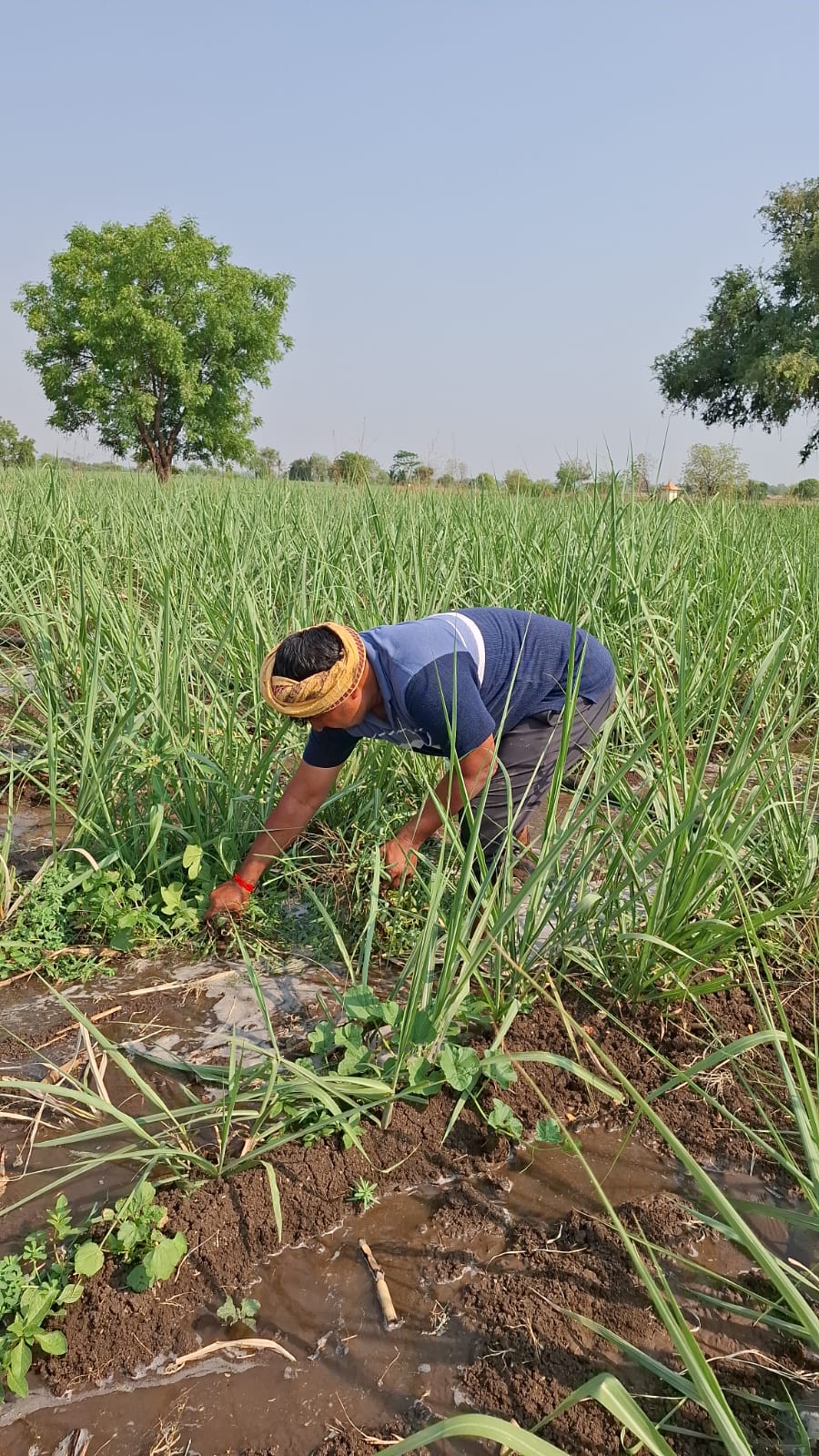
Ramesh, a farmer from Kalaburagi, spends ₹50,000 to ₹60,000 to cultivate an acre of land.
For many farmers, crop losses come on top of the rising cost of cultivation, making it increasingly difficult to recover from one bad year before the next cropping season begins.
“I spend about ₹55,000 to ₹60,000 to cultivate cotton or sugarcane on one acre of land,” says Ramesh. The US-Israel war on Iran, which has disrupted global fuel and fertiliser supply chains, has further complicated matters.
“Tractor rentals have become more expensive. Diesel and fertiliser charges have gone up,” he says. Such amounts are not readily available to many farmers. Ramesh, for instance, has outstanding loans with the fertiliser shop and a cooperative bank for his five acres and is now worried about how to repay them.
While Minister Parameshwara has promised drought relief to farmers, the proposed assistance seems like a pittance in the face of the actual losses, says farmer leader and president of the Federation of Karnataka State Farmers’ Organisations, Kurubur Shantakumar.
“The cost of cultivation of any kind of crop has become about ₹50,000 or ₹60,000. The loss that we are looking at goes into lakhs. To be offered ₹5,000 as relief is out of touch and disrespectful,” he says.
To add insult to injury, many farmers have received only a portion of this amount. Though the state has said that the full relief amount will be disbursed in instalments, farmers consider the payments inadequate.
Also Read: Sugarcane farmers seek Rs 5,500 per tonne in Karnataka, but can mills afford it?
Climate change-induced extreme weather events have become the new norm. With predictions that the effects of El Niño will continue into early next year, Shantakumar believes that more concrete action is needed. “Loan rebates would help,” he says.
Given the high costs of cultivation, even a single financial blow, such as the one caused by this year’s drought, is enough to devastate farmers, adds Nagaraj.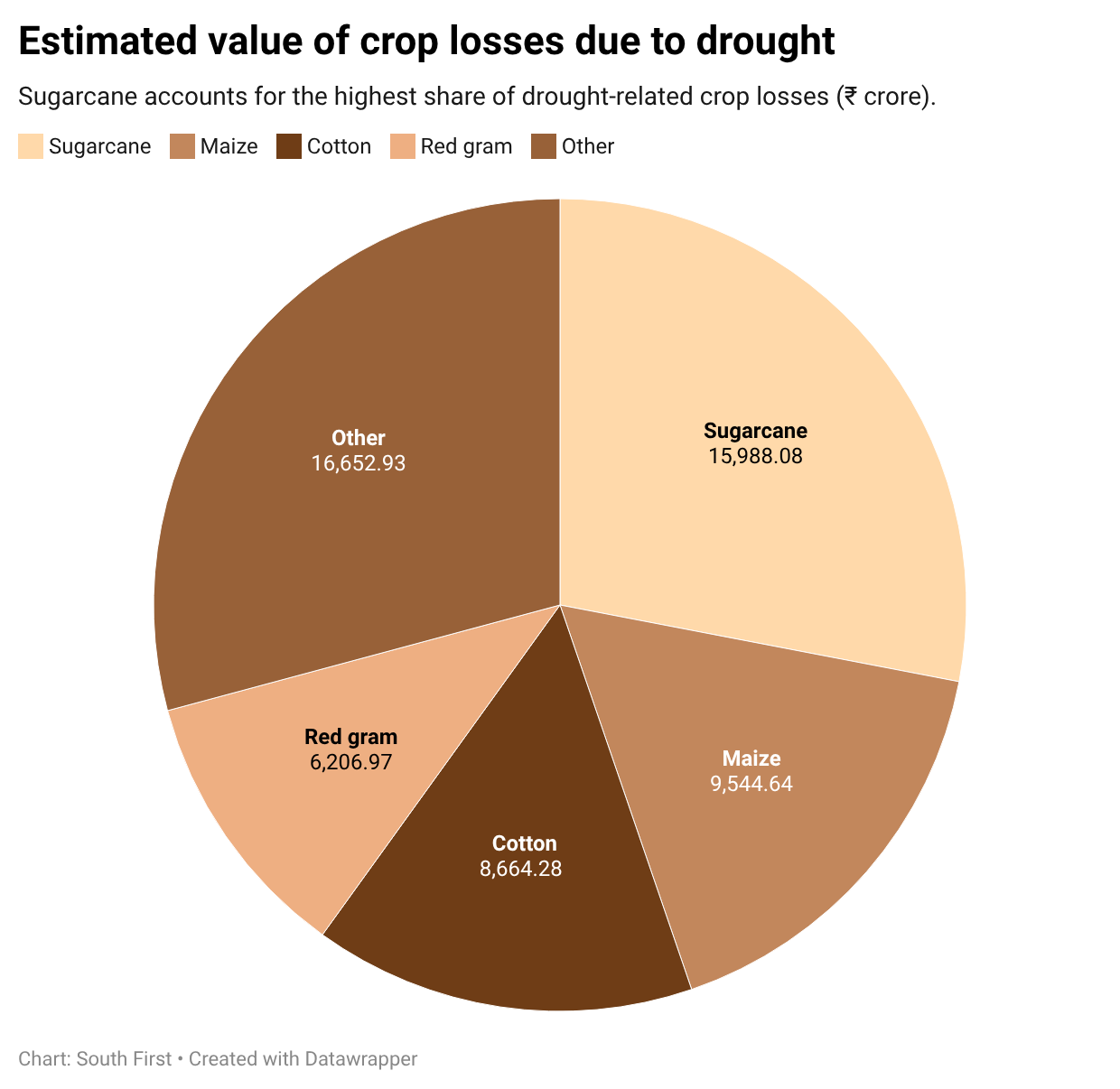
He also demands that premiums collected under the Fasal Bima Yojana, a crop insurance programme, be used to compensate farmers for crop damage.
“These insurance programmes also have many rules. One such rule says that farmers are only eligible if they had experienced a drought in the five years before the current claim,” he says.
Existing systems and solutions are inefficient because they focus on responding only after disaster has struck.
“Whether it is suggesting which crops to grow or researching hardier varieties of cereals and pulses, the government has to take action,” says Ramesh.
Though it may not be possible to prevent droughts, their effects can be managed.
Prakash explains that capturing rainwater whenever it rains during drought years is extremely important. “Growing trees in between the crops prevents evaporation. Increasing the use of organic manure also increases the water-holding capacity of the soil,” he says.
Farmers could also combine these practices with groundwater recharge, water storage technologies and drip irrigation.
Forty years ago, recurring droughts prompted the state government to set up the Drought Monitoring Cell.
“Borewells were promoted as the solution then, and they have benefited many,” says Prakash. However, they are no longer a practical answer as groundwater resources continue to deplete.
“Maintaining water in lakes, planting trees to improve percolation and reducing our water footprint will all go a long way in making droughts more tolerable,” he adds.
“Without these measures, we are left to endure the slow, unrelenting heat of droughts with little shelter.”
(Edited by Dese Gowda)



