

Published Nov 04, 2026 | 7:17 PM ⚊ Updated Nov 04, 2026 | 7:17 PM

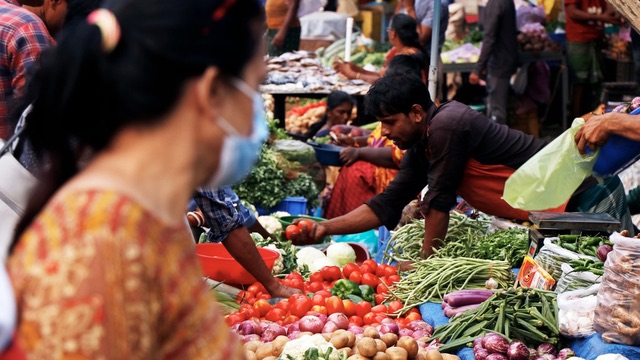
The hike in milk prices has triggered price increases across the local food and beverage sector.

Synopsis: Back-to-back hikes in milk prices and bus fares in Karnataka are set to put further pressure on household budgets already strained by rising prices of essential commodities and fuel. Hotels, eateries and small businesses are also raising prices to offset higher operating costs.
On the heels of the hike in milk prices and other dairy commodities supplied by the Karnataka Milk Federation (KMF), residents of the state are set to be burdened with yet another increase in their daily expenses.
Residents will now have to contend with a hike in bus fares across the four state run corporations, ranging from 23 percent to 33 percent. With the prices of rice, LPG, petrol, diesel and other commodities also having increased amid the war in Iran over the past year, household budgets across Karnataka are under increasing strain.
Krishna, a gardener, for instance, travels every day from Infantry Road, where he works, to Marathahalli. “The price increase is steep, and for those who travel frequently, like me, I am sure the hike will affect us, since the household budget is already stretched, especially as salaries have remained stagnant,” he says.
On BMTC buses, the minimum fare will increase from ₹6 to ₹10 and the maximum from ₹35 to ₹45. On its non-airport Volvo Vajra services, the minimum fare will rise from ₹15 to ₹20, while the maximum fare for a 60-km journey will go up from ₹75 to ₹90. KSRTC Express fares will increase by ₹19, from ₹81 to ₹100.
Another traveller is less displeased, as Wednesday’s announcement did not include increases in the prices of weekly and monthly passes. “Transport costs can be managed. However, my household is affected by the general increase in the prices of food items,” says Deepak, who travels daily from Shivajinagar to Hoskote. However, Karnataka Transport Minister Byrathi Suresh has said that fares of passes are set to increase by next week.
Households are feeling the pinch of rising prices across food commodities. Rice, in particular, had a monthly average retail price of ₹72 per kg in November, compared with ₹52 per kg in June this year, according to data from the Department of Consumer Affairs.
The price of Sona masoori rice, widely consumed in Karnataka, is hovering between ₹95 and ₹98 per kg and could breach the ₹100 mark for the first time. Prabha, a cook who lives in Lakshmipuram, Bengaluru, explains how this price stress is felt at the household level. “The price of LPG has gone up this year. I only found out on Sunday that the price of milk has increased and was shocked that I had to pay ₹68 for a litre,” she says. As the primary breadwinner, Prabha pays for essential expenses such as food, rent and her children’s college fees. The price of a domestic LPG cylinder increased from ₹855 to ₹944 between March and June this year.
Although these increases may seem small when viewed individually, they add up over time, explains Lakshmi (40), the owner of a small daily supplies store in Bengaluru. With a son in Class 11, she has seen how everyday expenses can accumulate over the course of a month. “This, along with the increase in curd and milk prices, will mean at least ₹500-₹700 in extra expenditure every month. When incomes are low, these increases leave us uncertain about whether we can manage basic household expenses,” she says.
The impact is already evident in Prabha’s household. “My fridge is empty now, whereas previously, it would be full. My budget for vegetables has reduced, since I am having to spend on all these price increases,” she adds.
Also Read: Are IT firms sidelining Kannadigas in Karnataka? KaRaVe seeks recruitment data
The hike in milk prices, which came into effect on 1 November, has triggered a wave of price increases across the local food and beverage sector. While retail prices of Nandini milk varieties rose by ₹8 to ₹12 per litre, the steepest increase was in curd, which became costlier by ₹12 per litre. Prices of other dairy products, including ghee, butter and cheese, have also been revised.
The increase has directly affected the hospitality sector, with hotels, eateries and tea stalls across Bengaluru and Mysuru raising prices of tea, coffee and other milk-based items. For instance, a cup of coffee that once cost ₹15 now costs ₹20. A R Murthy, who supplies beverages to offices in central Bengaluru, says he has already increased the price of a cup of coffee by ₹2-₹3. “Some clients may not be happy with such an increase and may choose not to continue with the service. This has a huge impact on the family, given that we have daily expenses and personal commitments like EMIs to consider,” he adds.
The Bangalore Hotels’ Association has also opposed the proposed ₹8 per litre increase in milk prices, urging the government to cap the hike at ₹2-₹3. In a statement on Thursday, the association warned that a steeper revision would push up operating costs, leaving hotels with little choice but to pass on the burden to customers through higher prices for beverages and snacks.
LPG prices, too, have increased following the US-Israel war on Iran.
Transport Minister Byrathi Suresh said the revision in bus fares was necessitated by rising diesel prices, employee salaries and dearness allowance, as well as the cost of spare parts. He said nearly 80 percent of the four transport corporations’ expenditure went towards diesel and staff costs, with diesel prices alone having increased by ₹10.47 per litre in 2026. Clarifying that the Shakti scheme was not responsible for the financial strain, Suresh said the government reimburses the corporations for every ticket issued to women travelling under the scheme.
Dairy farmers, meanwhile, have been dealing with rising input costs. AL Kempugowda, a farmer from Kolar, explains that the price of cattle feed has increased. “A 50-kg bag of feed costs ₹1,250, and cows eat 1 kg per day,” he says. Additionally, owing to low rainfall, dairy farmers have been unable to grow grass in the required quantities. “The cost of jowar grass varies between ₹5,000 and ₹5,500,” he says.
Producers are now receiving an additional ₹8 per litre, taking the procurement price from ₹30 to ₹38. The prices of commodities such as rice may also have risen following a poor Kharif season this year due to drought. Karnataka recorded the steepest decline in area under paddy cultivation in India, with the area falling by 4.28 lakh hectares compared with the previous year.
(Edited by Dese Gowda)



