

Published Jul 10, 2026 | 7:00 AM ⚊ Updated Jul 10, 2026 | 7:00 AM

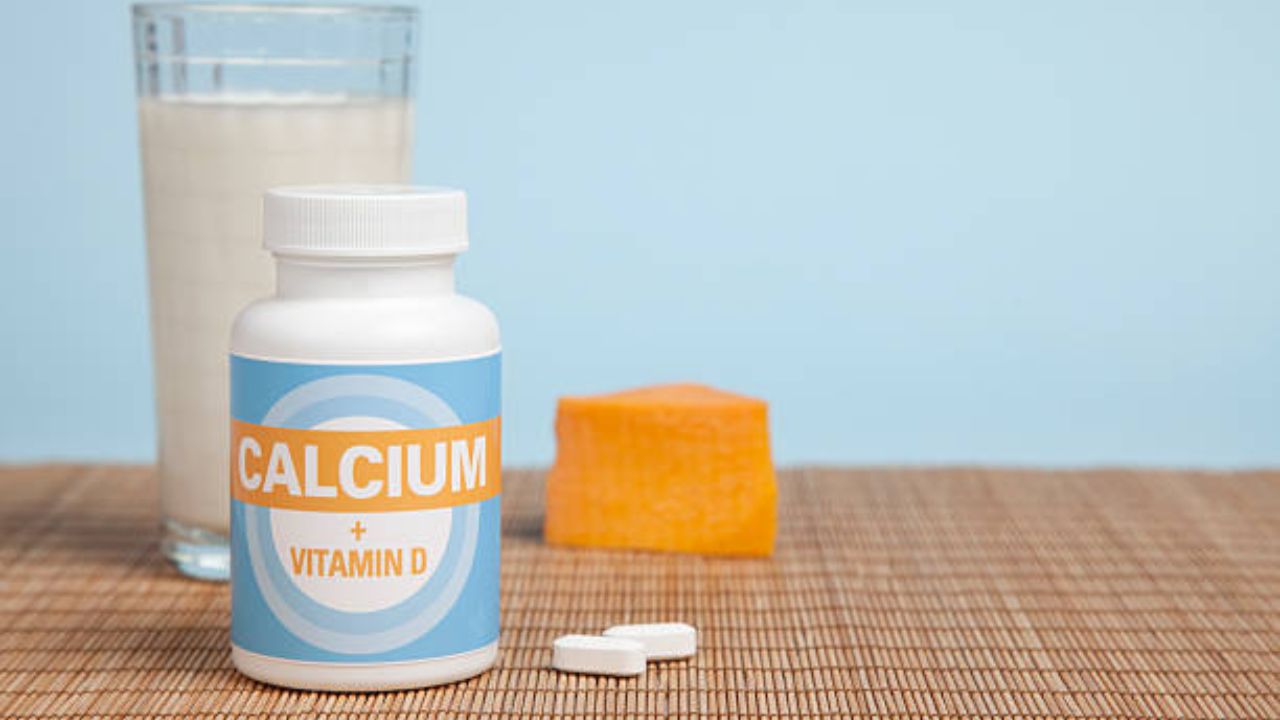
Calcium and Vitamin D supplement.

Synopsis: Calcium has long been associated with strong bones, yet concerns that supplements may harden arteries have left many confused. Using the Endocrine Society of India’s new consensus statement and insights from six cardiologists and endocrinologists, this feature unpacks the “calcium paradox”, explaining why bones and arteries handle calcium differently, who actually needs supplements, and how to protect both skeletal and heart health.
For generations, calcium has been synonymous with strong bones. Mothers have urged children to drink milk to “build bones,” doctors routinely prescribe calcium tablets to postmenopausal women, and older adults often reach for supplements hoping to prevent fractures as they age.
Yet over the past decade, another narrative has emerged. Headlines warning that calcium supplements could harden arteries and increase the risk of heart attacks have left many questioning whether the very mineral meant to protect them might also be putting their heart at risk.
The contradiction has created confusion in clinics across India.
Should people continue taking calcium tablets? Is dietary calcium safer than supplements? If calcium strengthens bones, why does it also appear inside diseased arteries?
The Endocrine Society of India (ESI) has attempted to settle the debate through its first consensus statement on calcium supplementation in the Indian context. The message is measured rather than alarmist: Calcium remains essential for health, but supplements should bridge dietary gaps rather than replace a healthy diet.
Most importantly, experts say arterial calcification is not simply the result of eating or swallowing “too much calcium.” It is a complex disease process that has far more to do with damaged blood vessels than with the mineral itself.
Expert cardiologists and endocrinologists reveal that the apparent contradiction between healthy bones and hardened arteries is, in fact, a misunderstanding of how the body handles calcium.
Also Read: One in seven stroke patients in India is under 45, over half die: Study
Calcium is the most abundant mineral in the human body. Around 99 percent of it is stored in bones and teeth, where it provides structural strength. The remaining one percent circulates in the blood and soft tissues, supporting muscle contraction, nerve signalling, blood clotting and numerous enzyme-driven reactions.
Since these functions are critical to survival, the body keeps blood calcium levels within a remarkably narrow range. Every day, calcium moves in and out of bones under the influence of hormones, ensuring that muscles contract, nerves fire and bones remain strong.
So why do cardiologists talk about calcium as a marker of heart disease?
“The calcium in bones is a normal physiological thing, whereas calcium in the coronary arteries is pathological,” Dr Jayaranganath M, Senior Consultant Cardiologist at Apollo Hospitals, Seshadripuram, Bengaluru, told South First.
That distinction lies at the heart of what many doctors now call the calcium paradox. Healthy bones actively store calcium as part of normal metabolism. Arteries, on the other hand, accumulate calcium only after years of injury and inflammation.
“Calcium is not simply moving from bones to arteries,” Dr Aditi Singhvi, Consultant and Clinical Lead for Adult Heart Failure and Transplantation Medicine at Narayana Health City, Bengaluru, explained to South First. “It accumulates as part of an active pathological process.”
In other words, calcium is not wandering around the body looking for a place to settle. Healthy bones are designed to store it. Diseased arteries create conditions that attract it.
One reason the misunderstanding persists is that many people imagine bones as lifeless structures. They are anything but that.
Bone is living tissue that is continuously broken down and rebuilt throughout life. Old bone is removed by specialised cells called osteoclasts, while new bone is laid down by osteoblasts. Calcium acts as the primary building material in this process, but it does not work alone.
Vitamin D helps the intestine absorb calcium from food. Parathyroid hormone regulates how much calcium enters or leaves the bones. Calcitonin helps limit bone breakdown when calcium levels are high, while oestrogen slows bone loss, explaining why osteoporosis accelerates after menopause.
“It is a tightly regulated system,” Dr Sanjay AC Reddy, Consultant Endocrinologist and Diabetologist at Fortis Hospital, Bengaluru, told South First. “Hormones like vitamin D and parathyroid hormone help keep calcium levels steady and ensure calcium reaches bones where it is actually required.”
The body’s priority is always to maintain a stable level of calcium in the blood. If dietary intake falls, the body compensates by drawing calcium out of bones. Over time, this weakens the skeleton and increases fracture risk.
That is precisely why adequate calcium intake remains essential.
“Vitamin D acts as the primary facilitator for calcium absorption,” explained Dr Pramila Kalra, Senior Consultant in Endocrinology at Ramaiah Memorial Hospital, to South First. “If a patient is deficient in vitamin D, they will not be able to absorb calcium properly, even if they are eating a highly nutritious, calcium-rich diet.”
Parathyroid hormone acts like a thermostat, she said. When blood calcium falls, hormone levels rise to restore balance. Once normal levels return, hormone secretion falls again.
The body, in other words, has evolved sophisticated systems to ensure calcium ends up where it is needed.
None of these mechanisms, however, deliberately deposit calcium inside arteries.
If calcium is so carefully regulated, why do CT scans reveal calcium deposits inside coronary arteries? The answer begins not with calcium but with cholesterol.
Atherosclerosis develops when fatty deposits accumulate inside artery walls. Over the years, these plaques trigger repeated cycles of inflammation and healing. The damaged blood vessel gradually changes its behaviour.
“It is not simply extra calcium getting stuck inside arteries,” Dr PRLN Prasad, Consultant Interventional Cardiologist at Gleneagles BGS Hospitals, Bengaluru, told South First. “Vascular calcification is an active process that occurs when blood vessels are damaged by ageing, diabetes, high cholesterol and chronic inflammation.”
Researchers now know that cells within diseased arteries undergo a remarkable transformation.
“Vascular smooth muscle cells begin behaving like bone-forming cells,” explained Dr Singhvi. “That is what leads to calcium deposition within the arterial wall.”
In effect, the artery starts behaving as though it were trying to build bone in entirely the wrong place.
Dr Jayaranganath described it as a consequence of repeated injury.
“When there is inflammation inside the artery, the healing process can pull calcium into the vessel wall,” he said. “That is why calcium inside coronary arteries represents disease, whereas calcium inside bones is completely normal.”
Perhaps the most important point, cardiologists stressed, is that normal blood calcium levels do not predict arterial calcification.
“Calcium can get deposited in the vascular tree even if blood calcium levels are normal,” Dr Jayaranganath said. “It is linked to the disease process of atherosclerosis, not simply to calcium intake.”
That distinction changes how doctors interpret calcium itself.
Rather than viewing calcium as the cause of artery disease, they increasingly see it as a marker of long-standing injury caused by diabetes, smoking, hypertension, kidney disease and chronic inflammation.
Also Read: Smoking, comorbidities and severe COVID-19 behind heart attacks in young Indians: ICMR study
If calcium itself is not the problem, why did millions of people begin fearing calcium tablets? The answer lies in a scientific controversy that began nearly 15 years ago.
In 2010, a widely discussed meta-analysis published in The BMJ suggested calcium supplements, particularly when taken without vitamin D, might modestly increase the risk of heart attacks. The findings attracted global attention and prompted many physicians to rethink routine calcium prescribing.
For patients, the headlines were simple: Calcium pills might damage the heart.
But science rarely ends with one study.
Over the following decade, larger clinical trials and multiple systematic reviews revisited the question. Some found a possible signal, while others found none. Collectively, the evidence failed to establish a consistent causal relationship between calcium supplementation and cardiovascular events.
“The evidence remains inconclusive,” said Dr Prasad. “Some earlier studies suggested calcium supplements might slightly increase the chances of heart attacks, but larger studies have not found a clear or consistent link.”
Dr Singhvi agreed that the weight of evidence has shifted.
“Current international and Indian guidelines support calcium supplementation when there is genuine deficiency or increased requirement,” she said. “When used appropriately, calcium supplements have not been shown to increase the risk of heart attacks or strokes.”
The new Endocrine Society of India consensus reflects that position. It concludes that there is insufficient evidence to discourage recommended calcium intake because of cardiovascular concerns, while emphasising that food should remain the primary source of calcium and supplements should be used only when dietary intake falls short.
That recommendation is particularly relevant in India, where the nutritional landscape differs sharply from that of many Western countries where the original studies were conducted.
The debate over calcium supplements has largely been shaped by studies conducted in Western countries, where average calcium intake is substantially higher than in India. That difference matters.
According to the Endocrine Society of India (ESI), most Indians consume only 300 to 500 mg of calcium daily, roughly half of the recommended intake of 1,000 mg for most adults. Low dairy consumption, limited dietary diversity, cereal-based diets, and widespread vitamin D deficiency all contribute to this nutritional gap.
“Very common,” Dr Subramanian Kannan, Senior Consultant and Director of Endocrinology, Diabetes and Metabolic Medicine at Narayana Health City, when asked about calcium deficiency in India, told South First. “ICMR-National Institute of Nutrition data show Indians typically consume only 300 to 500 mg of calcium a day, against a recommended intake of around 1,000 mg. This gap comes from low dairy consumption, dietary restrictions and limited food variety.”
Children and adolescents who are still building bone, pregnant and lactating women, postmenopausal women, older adults and people who avoid dairy are among the most vulnerable groups.
For endocrinologists, therefore, the bigger public health concern is not excessive calcium intake but insufficient calcium intake.
The ESI guideline repeatedly stresses one message: Food first, supplements second.
That recommendation is based not only on nutrition but also on physiology.
“Food provides calcium in a natural and balanced way,” said Dr Sanjay A C Reddy. “Milk, curd, ragi, sesame seeds, green leafy vegetables and fortified foods also carry proteins, magnesium and other nutrients that help bone strength. Your body absorbs calcium from these foods bit by bit throughout the day, and that feels more physiological.”
Calcium-rich foods release the mineral gradually. A glass of milk provides roughly 250 mg of calcium, while curd, paneer, ragi, soy products, sesame seeds and leafy vegetables contribute additional amounts along with protein, phosphorus, magnesium and other micronutrients that support bone health.
Supplements behave differently.
“When you obtain calcium naturally through your diet, it provides a flatter profile in the blood,” explained Dr Pramila Kalra. “Conversely, calcium supplements can cause a sharp spike in blood calcium levels.”
These temporary spikes have been proposed as one explanation for cardiovascular concerns, although experts emphasise that convincing evidence linking them directly to heart attacks remains lacking.
Dr Kannan said food offers something tablets cannot. “Calcium from food arrives in physiological amounts spread across the day, alongside protein, phosphorus and magnesium that bones also need. Supplements are meant as a backup for people who cannot meet their needs through diet, not a substitute for it.”
One of the biggest misconceptions, doctors said, is that everyone above a certain age should take calcium tablets.
That is not how endocrinologists approach the problem.
Instead, they first estimate how much calcium a person consumes through food.
“If a healthy individual can meet their requirements through natural food, supplements are entirely unnecessary,” said Dr Kalra.
Supplements are generally reserved for people who cannot achieve adequate intake despite dietary changes or those whose calcium requirements are significantly higher.
These include:
Healthy adults eating a balanced diet rich in calcium usually do not require routine supplementation.
“The biggest misconception is that taking more calcium automatically means stronger bones,” said Dr Reddy. “Bone health depends on adequate calcium intake, sufficient vitamin D, regular physical activity, hormonal balance and overall nutrition.”
Also Read: India gets new valve procedure for high-risk heart patients, but it’s yet to reach many
While the debate has focused on calcium tablets, endocrinologists pointed to another issue that receives far less attention: The widespread use of calcitriol, the activated form of vitamin D.
Dr Kannan said the distinction between ordinary vitamin D3 and calcitriol is often overlooked in clinical practice.
“The task force found that calcitriol makes up an estimated 46.5 percent of calcium-related supplements sold in India,” he said. “Yet it should be reserved for specific conditions such as chronic kidney disease, hypoparathyroidism and certain inherited disorders.”
Unlike standard vitamin D3, calcitriol is far more potent and carries a greater risk of raising blood calcium excessively if used without a clear indication.
That is one reason the new ESI guidance strongly discourages routine use of activated vitamin D preparations outside specific medical conditions.
Another persistent myth is that anyone with kidney stones should avoid calcium.
Doctors said that advice is often wrong. “It is a major misconception that calcium is always the culprit behind kidney stones,” said Dr Kalra.
Many stones develop due to excess oxalate, uric acid or other metabolic abnormalities rather than calcium intake itself. In fact, dietary calcium performs a useful function inside the intestine by binding oxalate before it can be absorbed.
Restricting calcium unnecessarily may actually increase oxalate absorption and raise stone risk.
The distinction, experts said, lies between adequate dietary calcium and indiscriminate high-dose supplementation.
Patients with kidney stones, chronic kidney disease or disorders affecting calcium metabolism should therefore be evaluated individually rather than stopping calcium altogether.
As CT-based coronary artery calcium (CAC) scoring becomes more common, another misunderstanding has emerged. Many patients assume that a high calcium score means they have consumed too much calcium.
Cardiologists said that the interpretation is incorrect.
A CAC score measures the amount of calcified plaque inside coronary arteries. It reflects years of exposure to cardiovascular risk factors such as diabetes, smoking, high cholesterol and hypertension.
“It does not mean calcium intake caused the problem,” said Dr Aditi Singhvi.
Dr Jayaranganath agreed. “I don’t think calcium intake has a direct correlation with the calcium score,” he says. “It indicates that there is a disease process going on inside the coronary arteries.”
Rather than functioning as a dietary report card, the scan serves as a marker of accumulated atherosclerosis.
By the end of every interview, the discussion inevitably moved away from calcium.
Instead, doctors repeatedly returned to the same list of culprits.
“These factors play a far greater role than calcium intake itself,” said Dr Singhvi.
Dr Prasad echoed that message. “Smoking damages blood vessels. Diabetes and high cholesterol cause inflammation. High blood pressure injures artery walls. Chronic kidney disease alters mineral metabolism. These factors contribute much more to arterial calcification than calcium intake.”
In other words, avoiding milk or refusing a medically indicated calcium supplement will not protect someone whose diabetes, blood pressure and cholesterol remain uncontrolled.
Also Read: Lancet study estimates Indians to be deficient in iron, calcium, folate intake
The six specialists who spoke above agreed on several points that directly challenge common misconceptions.
For millions of Indians, the message is neither to fear calcium nor to consume it indiscriminately.
The goal is balance.
Eat calcium-rich foods whenever possible. Maintain adequate vitamin D levels. Stay physically active with weight-bearing exercise. Don’t smoke. Control diabetes, blood pressure and cholesterol. If dietary intake remains inadequate or a medical condition increases calcium requirements, use supplements under medical supervision rather than self-prescribing them.
“The message is simple,” said Dr Prasad. “Don’t be afraid of calcium supplements, but don’t take them without medical supervision either.”
Ultimately, the story of calcium is not about choosing between strong bones and a healthy heart.
Healthy bones are designed to store calcium. Diseased arteries accumulate it only after years of injury driven by ageing, inflammation and metabolic disease. Confusing these two processes has fuelled unnecessary fear around one of the body’s most essential minerals.
The new Endocrine Society of India guidance seeks to draw that distinction clearly. Calcium remains indispensable for lifelong bone health. The challenge is not avoiding it, but ensuring the right amount, from the right source, for the right reason.
(Edited by Muhammed Fazil.)



