

Published Jul 04, 2026 | 7:00 AM ⚊ Updated Jul 04, 2026 | 7:00 AM

High blood-pressure, present in 74.5% of stroke patients, topped the risk factors.

Synopsis: India’s largest hospital-based stroke registry revealed that one in seven stroke patients is younger than 45, while more than half die or remain disabled within three months. Delayed hospital arrival and poor access to clot-busting treatment remain major barriers, underscoring urgent gaps in stroke prevention, emergency care, rehabilitation and timely intervention nationwide.
Stroke strikes Indians earlier than it does in the West. One in every seven stroke patients treated in Indian hospitals was aged below 45, according to the largest hospital-based stroke registry study conducted in the country.
The study, published in the International Journal of Stroke, tracked 34,792 stroke cases registered across 30 hospitals between 2020 and 2022 under the Indian Council of Medical Research’s National Stroke Registry Programme. It offered a complete picture of stroke in India, from the onset of symptoms to the treatment patients receive, or fail to receive.
Researchers set the average age of stroke patients at 59.4 years. But 13.8% of all cases, roughly one in seven, occurred in people younger than 45. Men made up nearly two-thirds of all cases, at 63.4%, while more than 72% of patients came from rural areas.
“This study provides a comprehensive analysis of stroke cases from 30 hospitals across India, offering valuable insights into the stroke pattern, risk factor profiles, management practices, and outcomes,” the authors wrote. “More than 50% of stroke cases experienced poor outcomes at 3 months, with 27.8% resulting in death and 29.7% in disability.”
Also Read: Study links keto diet to risk of heart disease and strokes
Motor weakness led the list of symptoms, affecting 74.8% of patients. Speech disturbance followed at 51.2%, ahead of difficulty in swallowing at 30.4% and loss of consciousness at 25.6%.
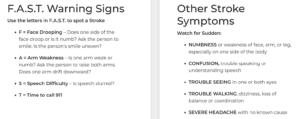
The acronym FAST is used to remember stroke symptoms, but there are other symptoms too. (National Stroke Association, US)
Almost half of all patients arrived carrying a moderate to severe stroke score on admission.
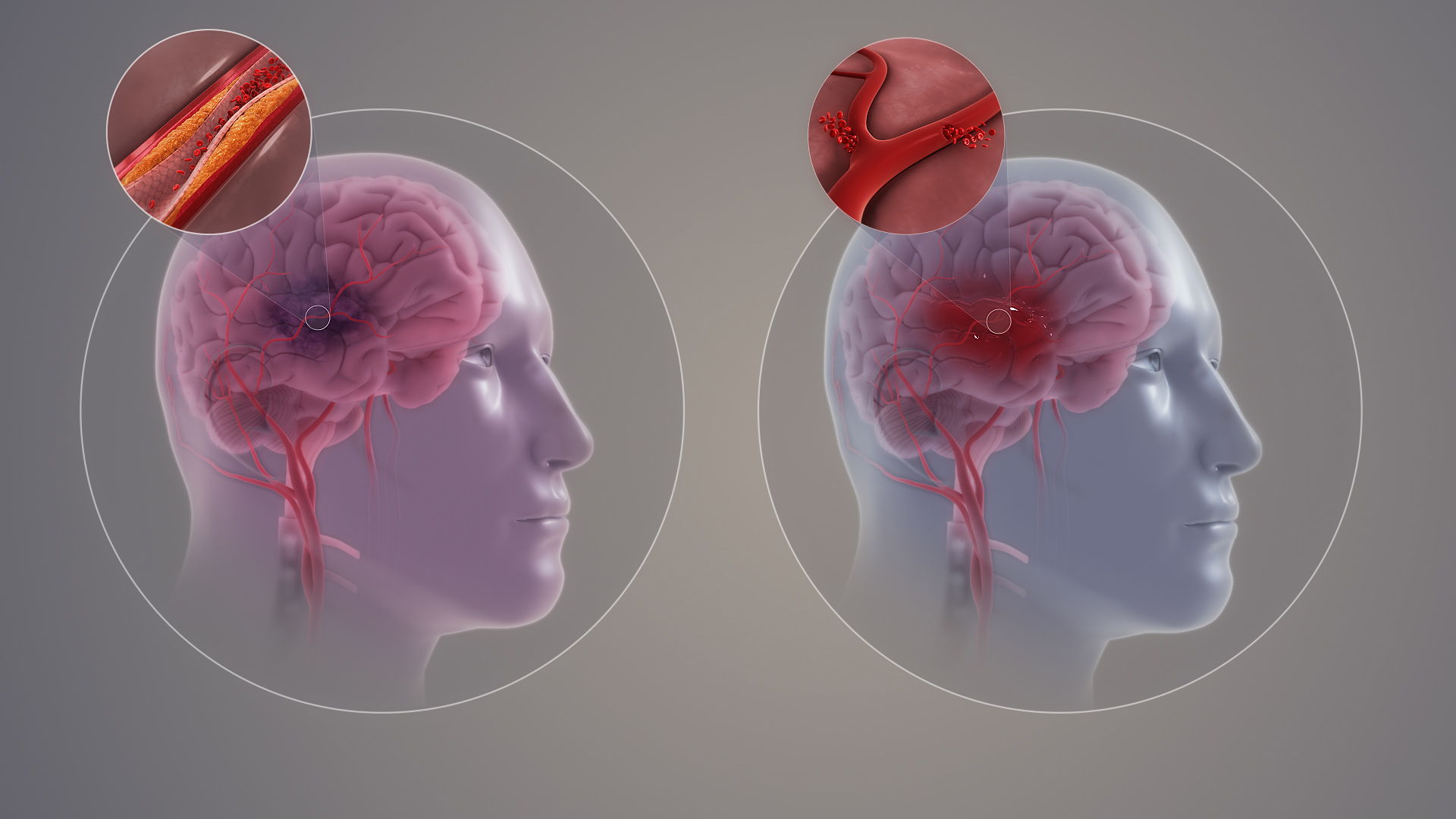
Ischemic stroke, caused by a blocked vessel in the brain, accounted for 60% of all cases. Intracerebral haemorrhage made up 34.2%, and subarachnoid haemorrhage accounted for 2.4%.
Among ischemic strokes, large artery atherosclerosis was found in 55.9% of the cases, followed by small artery disease at 18.2% and cardioembolic stroke at 8.1%.
Also Read: India leads in WHO’s Southeast Asia stroke chart
Only 20.1% of patients reached the hospital within 4.5 hours of the onset of symptoms, the window in which clot-dissolving drugs work best. Nearly two in five patients, 37.8%, did not reach the hospital until after 24 hours had passed.
The registry named delay as the single biggest barrier standing between patients and treatment. Among ischemic stroke patients who did not receive clot-busting therapy, 74.5% missed it because they arrived too late. Delays in brain imaging accounted for another 12.6%, and hospitals running out of thrombolytic medicine accounted for 11%.
Almost every patient underwent some form of brain imaging, with CT scans serving as the main tool. CT or MR angiography, though, appeared in only 15.9% of cases, leaving many patients without a full map of the blockage or bleed driving their stroke.
Also Read: How do monitoring BP, diabetes help in preventing stroke?
Clot-busting therapy — known as intravenous thrombolysis — was received by just 4.6% of patients with ischemic stroke. Mechanical thrombectomy, a procedure that physically removes a clot from a blocked artery, reached only 0.7% of eligible patients.
The registry framed this gap as a system failure rather than a patient failure. Patients who reached the hospital within the treatment window still depended on imaging capacity, drug stock and staff trained to act within minutes.
Many hospitals studied, the researchers note, functioned as tertiary centres receiving the most severe cases.
High blood-pressure, present in 74.5% of stroke patients, topped the risk factors. Smokeless tobacco followed at 28.5%, diabetes at 27.3%, tobacco smoking at 22.6%, alcohol use at 20.2% and anaemia at 17.5%.
The registry split the risk factors by gender. Hypertension, diabetes and anaemia appeared more often among women. Tobacco smoking, smokeless tobacco and alcohol use appeared far more often among men.
“These findings underscore the need for gender-specific prevention strategies,” the researchers wrote, pointing to hypertension and diabetes control among women alongside tobacco control efforts aimed at men.
Death rates at discharge were close between men and women. But recovery diverged sharply once patients left the hospital. At three months, only about a third of women who survived a stroke had regained independence (to live without support), compared to nearly 40% of men.
The gap widened at each follow-up point. At discharge, 71.2% of women carried some disability, against 65.9% of men. The pattern held at 28 days and again at three months, pointing to a difference in post-discharge care and rehabilitation access rather than a difference in stroke severity at the outset.
The registry recorded death in 13.9% of patients by the time they left the hospital. Another 67.7% left the hospital carrying some degree of disability.
Mortality climbed to 24.2% by 28 days and reached 27.8% by three months. Disability affected another 29.7% of patients at the three-month mark.
Combined, the two figures meant that more than half of all patients registered a poor outcome within three months of their stroke.
Stroke type shaped the outcome further. Cases the registry could not classify carried the highest death rate at three months, 65.6%, followed by haemorrhagic stroke at 36.1% and ischemic stroke at 21.8%.
Ischemic stroke also produced the best recovery rate, with 42.9% of patients regaining full function, against 28% among haemorrhagic stroke patients.
Stroke returned in only 1.1% of cases within the three-month follow-up, a rate the researchers linked partly to gaps in tracking patients after they had left the hospital rather than a true low recurrence rate.
The researchers blamed delayed recognition of symptoms, limited public awareness, restricted access to emergency stroke treatment and thin rehabilitation services for holding back stroke care in India.
They called for public campaigns that teach people to recognise stroke symptoms, faster referral pathways, wider access to thrombolysis and thrombectomy in rural regions, and stronger rehabilitation and follow-up systems.
“The findings highlight the gaps in acute stroke care, including delayed hospital arrival, limited access to advanced treatments, and inadequate follow-up services,” the authors wrote. “Stroke continues to pose a major public health burden, with poor outcomes.”
They added that the data should guide policy aimed at reducing the stroke burden in India and lifting survival and recovery rates among patients, particularly the growing share of patients who face a stroke well before reaching an advanced age.
(Edited by Majnu Babu).



