

Published Oct 13, 2026 | 6:30 AM ⚊ Updated Oct 13, 2026 | 6:30 AM

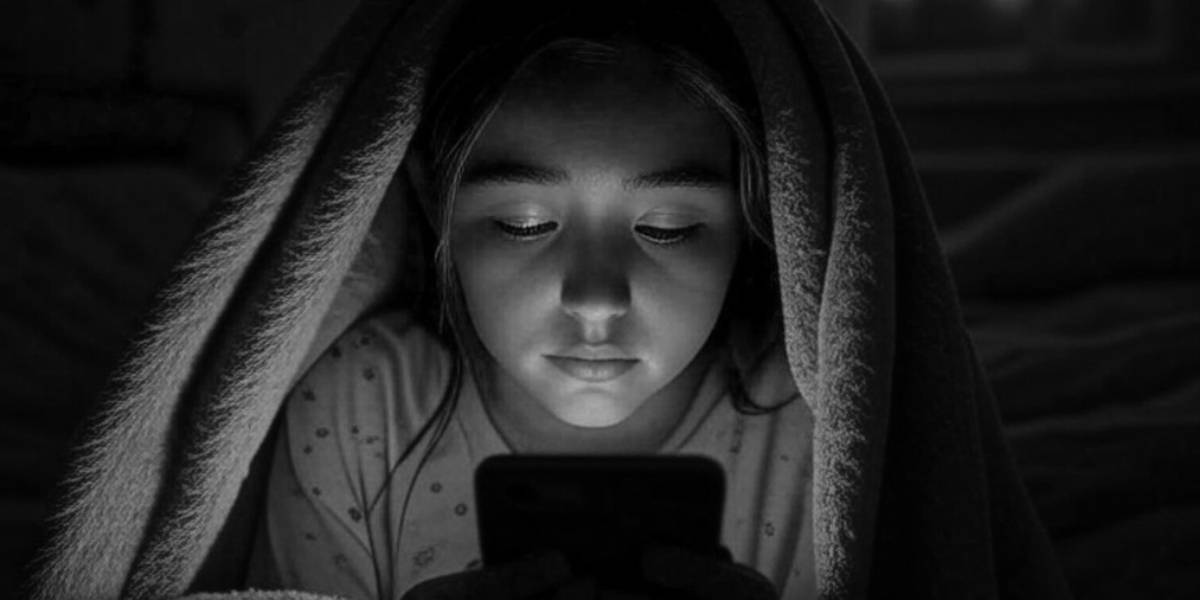
For people following a protest remotely, the experience can be particularly difficult to manage.

Synopsis: Political protests can take a mental toll even on those watching from home. As social media keeps people constantly exposed to distressing updates, psychiatrists explain how political tension affects sleep, relationships, and emotional well-being, and how people can stay informed, participate in civic life, and protect their mental health without becoming overwhelmed.
Deekshith was distressed when the Delhi police used force on youngsters seeking the resignation of the then Education Minister Dharmendra Pradhan on 20 July 2026.
The youngster wanted to be in Delhi, along with his compatriots, holding the Education Minister accountable for the NEET fiasco that has taken at least 20 lives.
A professional employed at a consultancy, Deekshith used to participate in protests during his college days. Work commitments have since kept him away from large demonstrations, but he follows political developments online.
“I considered going to Delhi on seeing people getting beaten up during the CJP protest on 20 July,” he told South First. However, the youngster couldn’t take time away from work.
Instead, he followed updates on Instagram Reels, X, YouTube and other social media platforms.
“It distressed me, but I also want to stay informed,” he said.
The consequences became apparent later on 20 July. Deekshith said he had spent more than 16 hours glued to his phone and struggled to sleep. He had planned to rest on his day off but spent much of the day watching videos and following developments in Delhi.
“It affected my sleep and my daily work, but I wanted to be in the know and active,” he said.
Deekshith shared information and shared his views online because he couldn’t physically attend the demonstrations. Although he was far from the thick of it, the events affected his routine.
His experience raises a question for people who follow protests from a distance: how can they remain engaged without allowing constant updates to affect their mental health?
Now again, in Delhi, demonstrations demanding the resignation of Chief Election Commissioner Gyanesh Kumar over alleged irregularities in the Special Intensive Revision (SIR) of electoral rolls have drawn political parties, student organisations and activists. Reports of detentions and restrictions on demonstrations have added to the debate.
Demonstrations seeking the resignation of Chief Election Commissioner Gyanesh Kumar over alleged irregularities in the Special Intensive Revision (SIR) of electoral rolls have gained momentum. A large crowd across the country and abroad is watching the developments, most of them unaware of the link between political engagement and mental well-being.
Dr N Vyjayanthi Venkataramu, Consultant Psychiatrist at Ramaiah Memorial Hospital, Bengaluru, said political developments could affect people far beyond those directly involved in protests.
“When political developments appear to threaten our safety, rights, livelihood or sense of justice, we may experience them as threats to our psychological security. The brain responds to perceived threats by increasing vigilance and preparing us to act. Uncertainty and disturbing images can sustain this state of alertness, leaving us restless, irritable or preoccupied even when we are physically safe,” she told South First.
For some, the concern is about a direct threat to their safety or livelihood. For others, it is about rights, fairness, the future of their community or the feeling that something important is happening without their ability to intervene.
Also Read: New Delhi sealed even before the first slogan
Political events rarely remain confined to public meetings, protest sites or television debates. They enter homes through conversations, WhatsApp groups, social media feeds and discussions with friends and colleagues.
For people following a protest remotely, the experience can be particularly difficult to manage because there is always another update to check. A video may be followed by eyewitness accounts, political reactions, angry commentary and predictions about what could happen next.
Dr Sugami Ramesh, Clinical Psychologist at Apollo Hospital, Bannerghatta, Bengaluru, said repeated exposure to political conflict could affect people’s thinking and how they respond to events.
“Constant audio-visual affects the normal routine thought process,” she told South First.
Dr Ramesh said people could become increasingly reactive to issues, forcing them to keep checking for updates. The constant stream of information could also make it harder to step back from negative developments.
“It will affect cognitive function, tend to see only negative, and the mind will be anxious or have racing thoughts,” she said.
The effects may not be obvious at first. Someone might start checking the news during a break, then keep scrolling while eating or stay up late to follow developments. Over time, the urge to find out what has happened may interrupt rest, work, and personal conversations.
Dr Venkataramu said repeated checking could create an illusion of control. People might feel that staying constantly informed would help them anticipate the next development. But consuming more information does not always improve their understanding or their ability to respond.
“Repeatedly checking updates can create an illusion of control. We may feel that staying constantly informed will help us anticipate what happens next. Yet, beyond a point, additional information may increase distress without improving our understanding or ability to act,” she said.
Dr Venkataramu suggested people ask themselves a simple question when they find themselves repeatedly refreshing their feeds: “Am I checking the news to understand what is happening, or because I feel unable to stop checking?”
Staying informed can help people make decisions, participate in public life and support those affected by events. But when checking updates becomes hard to stop, the habit can work against the very purpose it serves.
Dr Venkataramu said people should pay attention when news consumption begins interfering with sleep, concentration or everyday responsibilities.
Also Read: Are smartphones making children more anxious and angry
Feeling angry, anxious or upset about a political event does not automatically mean someone has a mental health condition. Such responses can be understandable, particularly when people believe their rights, communities or livelihoods are at stake.
The concern arises when distress persists and begins affecting daily functioning.
Dr Venkataramu said people directly affected by protests, violence, discrimination or disruptions to their livelihood may experience immediate and understandable distress. Those with previous experiences of trauma, existing anxiety or depression, financial insecurity or limited social support may also find prolonged uncertainty difficult to manage.
However, political stress is not restricted to these groups. Anyone who repeatedly consumes emotionally charged information may become overwhelmed.
“Feeling worried or angry about political events is not, by itself, a mental health disorder. The concern arises when distress becomes persistent and begins to affect sleep, appetite, concentration, relationships or work,” Dr Venkataramu said.
She added that repeatedly checking updates despite wanting to stop, struggling to disengage from political arguments, persistent irritability and neglecting everyday responsibilities were signs worth paying attention to.
Dr Ramesh also pointed to changes in habits. People may find it harder to manage stress as their regular routines begin to suffer.
“Disturbance in eating and sleeping habits — either eating too much or too little, or sleeping too much or too little. Procrastinating or neglecting responsibilities,” she listed them.
People may also feel overwhelmed, become irritable, or struggle to relax. Some withdraw from social activities and experience loneliness.
“Some may develop a sense of loneliness and isolate themselves. Generally unhappy,” Dr Ramesh said.
These changes can be easy to dismiss as a temporary reaction to the news. But when they persist and disrupt daily life, people may need to reconsider their news-consumption habits and seek professional support if necessary.
The aim is not to label every strong political emotion as a psychological problem. It is to recognise when a person’s experience of events begins to affect their ability to function.
Also Read: Doomscrolling on the toilet?
Political tension can also enter relationships. A conversation about a protest may turn into an argument between family members, friends or colleagues who support opposing positions.
What begins as a disagreement over a policy, political party or public figure can become a judgement about another person’s values or character.
Dr Venkataramu said political beliefs can become closely connected to identity. As a result, disagreement may feel like a personal attack rather than a difference of opinion.
“When we interpret opposing views as evidence of someone’s character or intentions, listening becomes difficult. We begin defending our identity rather than examining the issue,” she said.
In families and communities, where people keep interacting long after a disagreement, such arguments can leave lasting tension. Online exchanges can also spill into offline relationships, making workplaces and social gatherings uncomfortable.
“We can disagree strongly with someone’s political position without reducing that person to their political position. Not every conversation needs to end in agreement, and sometimes stepping away is healthier than continuing an argument that has become hostile,” Dr Venkataramu said.
This does not require people to soften their convictions or stay silent about issues they consider important. It means recognising when a discussion stops being productive and deciding whether continuing it is worth the emotional cost.
Also Read: India’s screen addiction is taking toll on eye health
Completely withdrawing from political news is not necessarily the solution. For many people, following political developments is part of being an informed citizen. They may want to understand decisions that affect their lives, support a cause or remain connected to people participating in a protest.
Dr Venkataramu said the goal is to distinguish informed engagement from continuous exposure.
“Complete disengagement is not necessarily healthy. Staying informed enables us to make decisions, participate in public life and support people affected by events. The solution is to distinguish informed engagement from continuous exposure,” she said.
She recommends checking reliable news sources at set times, turning off unnecessary notifications, and avoiding repeated viewing of graphic content. People should also be cautious about emotionally charged messages and unverified claims circulating through messaging platforms and social media.
Correcting every misleading claim or responding to every argument can become exhausting. People can choose when to respond and when to disengage from unproductive discussions.
“The goal is not to avoid difficult information, but to consume it purposefully rather than compulsively,” Venkataramu said.
Dr Ramesh similarly advised people to establish boundaries and assess what they can realistically influence.
“One must draw boundaries and analyse the situation, not to control the uncontrollable situation,” she said.
For someone who spends hours checking updates, that could mean setting a time limit for social media, avoiding political content before bedtime, or choosing a few credible sources instead of constantly moving between platforms.
The point is not to stop caring. It is to avoid allowing an endless stream of information to dictate every part of the day.
Also Read: Everyone is tired, but no one knows why
While following distressing developments online can leave people feeling helpless, taking meaningful action may feel different.
Dr Venkataramu said peaceful protests, community initiatives and collective action can provide a sense of purpose, solidarity and belonging. For some people, participating in a cause can turn feelings of helplessness into constructive action.
“There is a difference between repeatedly watching distressing events unfold and identifying something useful we can do in response. This might mean supporting an affected community, verifying information before sharing it or participating in civic activities that reflect our values,” she said.
For people unable to travel because of work, family responsibilities or distance, the inability to attend a protest does not automatically mean indifference. Equally, following every update or sharing every post does not necessarily make someone more effective.
Dr Venkataramu also pointed out that participation can bring emotional strain and practical risks.
“The aim is to find forms of engagement that are meaningful, safe and sustainable,” she said.
For those who do attend protests, staying connected with others, recognising personal limits and making time to rest can be as important as deciding how to participate.
The question is not whether people should engage with political events, but how they can do so without losing sight of their own needs.
Also Read: Could your mobile phone be putting your heart at risk?
For people feeling overwhelmed by the political environment, experts recommend beginning with everyday habits rather than attempting to disconnect from everything at once.
Dr Venkataramu advised people to recognise their emotional triggers, protect sleep and daily routines, and set boundaries around news consumption and conversations. She also encouraged people to turn concern into constructive action instead of feeling responsible for responding to every development.
Dr Ramesh said people should pay attention to how others and their surroundings affect their emotional state.
“Use EQ, emotional intelligence. Be aware of how others affect you. Pay close attention to your mental response,” she said.
She also advised people to limit how much time they spend worrying and to challenge negative thinking patterns.
“Clean up the act. Flip negative thinking. Limit the time of worry period,” she said.
These suggestions don’t dismiss legitimate concerns or pretend difficult events don’t matter. They create space for rest and ordinary life while staying aware of what is happening around us.
If distress persists or significantly affects daily functioning, seeking help from a mental health professional may be useful.
For Deekshith, the tension remains between wanting to know what is happening and recognising the mental toll. He cannot always be physically present at a protest, but he wants to remain connected to the cause.
The desire to stay engaged is not unusual. Nor does it mean that someone must remain constantly distressed to prove they care.
“We do not have to become indifferent to suffering to protect our mental health. Equally, we do not have to remain continuously distressed to demonstrate that we care,” Dr Venkataramu said.
“Emotional balance is not about withdrawing from public life. It is about retaining the ability to think clearly, evaluate information, tolerate disagreement and act meaningfully when action is possible,” she added.
Also Read:
Indira Gandhi, Narendra Modi and the march of folly: The same mistake, fifty years apart
Lest we forget, India resisted Modi and his men long before the Gen-Z agitation
(Edited by Majnu Babu).



