

Published Aug 04, 2026 | 7:00 AM ⚊ Updated Aug 04, 2026 | 7:00 AM

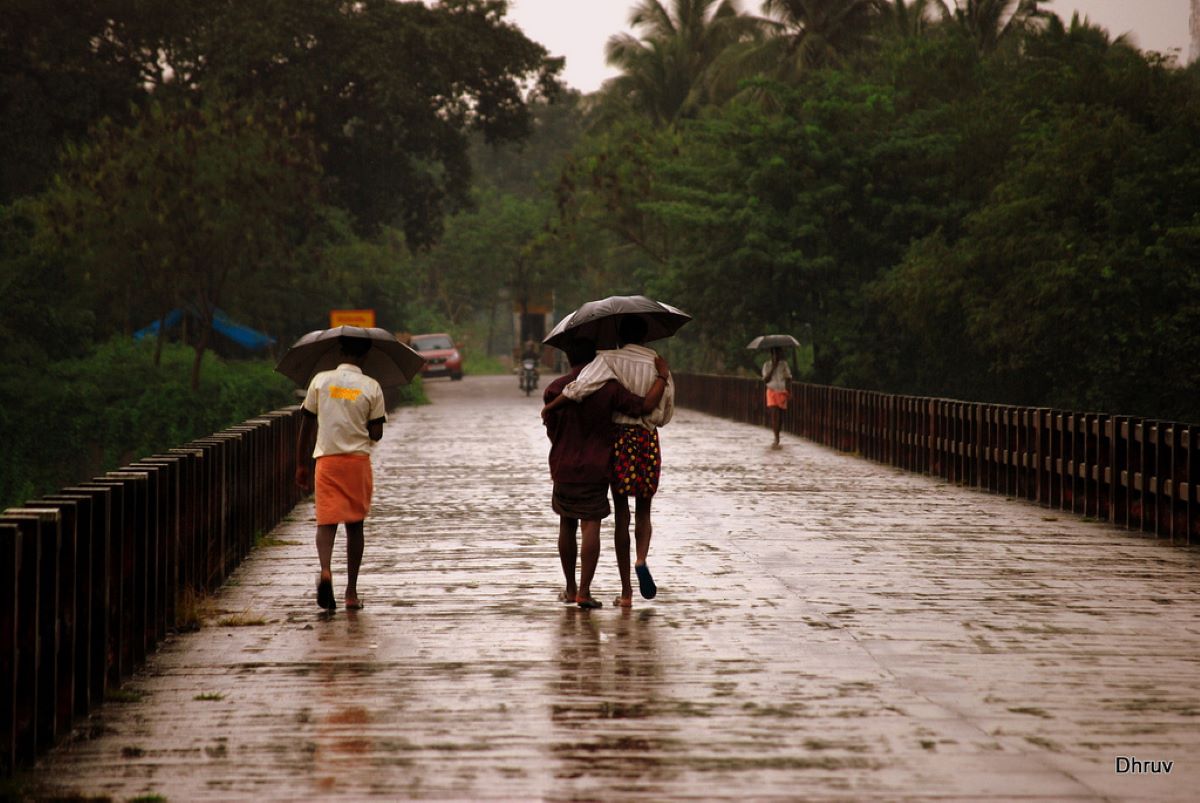
Experts said a combination of factors kept the southern states at the centre of the country's battle against the bacterial disease.

Synopsis: The southern states continue to shoulder India’s leptospirosis burden, with Kerala and Tamil Nadu reporting the highest number of confirmed cases in 2026, according to data presented in the Rajya Sabha. Here is why the two states remain hotspots, the disease’s symptoms, transmission, diagnosis, complications, and measures needed to prevent infections and deaths.
Kerala and Tamil Nadu continue to bear the highest burden of leptospirosis caseloads in India, with the two states together accounting for nearly 40% of all confirmed infections reported in the country during the first half of 2026.
Doctors said the combination of intense monsoon rainfall, widespread waterlogging, occupational exposure and stronger disease surveillance has kept the southern states at the centre of the country’s battle against the bacterial disease.
According to data tabled in the Rajya Sabha by the Union Ministry of Health and Family Welfare, India reported 8,121 confirmed leptospirosis cases between January and June 2026. Of these, 4,340 cases (53.4%) were reported from the five southern states of Kerala, Tamil Nadu, Karnataka, Andhra Pradesh and Telangana.
Kerala recorded the highest number of confirmed cases at 1,726, followed by Tamil Nadu (1,473), Karnataka (624), Andhra Pradesh (416) and Telangana (101). Outside South India, Assam reported 786 cases and Maharashtra 780 during the same period.
The data, shared by Minister of State for Health Anupriya Patel in response to a question by Rajya Sabha MP Narain Dass Gupta, also showed that Kerala has emerged as India’s biggest leptospirosis hotspot in recent years.
Also Read: A preventable disease killed hundreds in Kerala in 2025
Kerala reported 2,513 cases in 2023, 3,585 in 2024, 4,001 in 2025, and 1,726 till June 2026, taking its cumulative total over the four years to 11,825 confirmed cases.
Tamil Nadu reported 2,901 cases in 2023, 3,923 in 2024, 2,862 in 2025, and 1,473 till June 2026, bringing its four-year total to 11,159 cases.
Together, Kerala and Tamil Nadu reported 22,984 confirmed leptospirosis cases since 2023. Karnataka has also consistently remained among the highest-burden states, reporting 6,549 cases over the same period.
Nationally, India reported 14,222 confirmed cases in 2023, 19,005 in 2024, 19,095 in 2025, and 8,121 cases in the first six months of 2026.
Also Read: Over 39,000 OP visits in three days as fever cases spike across Kerala
Leptospirosis is a bacterial disease caused by Leptospira bacteria that commonly live in the urinary tract of animals such as rats, pigs, cows, horses and dogs.
Humans become infected after coming into contact with contaminated soil, water or food, or through exposure to the blood, tissues or urine of infected animals.
The disease is particularly common during the monsoon because heavy rainfall and flooding contaminate stagnant water with infected animal urine, increasing the risk of exposure.
Dr Sowmya Muralikumaran, Internal Medicine Specialist at Apollo Spectra Hospitals, Chennai, said the bacteria thrive in waterlogged environments.
“Kerala and Tamil Nadu continue to report a higher burden of leptospirosis because both states experience intense and unpredictable monsoons, leading to extensive waterlogging. The bacteria thrive in damp soil and stagnant water, allowing them to survive for longer periods,” she explained.
“These states also have a larger population engaged in farming, animal handling and other high-risk occupations. At the same time, both Kerala and Tamil Nadu have better health screening systems and diagnostic facilities, which also contribute to higher detection and reporting of cases,” she told South First.
Dr A Rajalakshmi, Senior Consultant, Department of Infectious Diseases at KIMSHEALTH, Thiruvananthapuram, agreed that the high numbers reflected both environmental and surveillance factors.
“Kerala and Tamil Nadu continue to report high leptospirosis numbers because of a combination of heavy rainfall and flooding, paddy farming, sanitation work and a rodent-dense ecology. However, their high ranking also reflects stronger Integrated Disease Surveillance Programme (IDSP) surveillance and better laboratory capacity compared with other endemic states, and not necessarily a truly higher disease burden,” she told South First.
Also Read: Kerala aims to stay ahead of epidemics and pandemics, but gaps remain
Doctors say one of the biggest challenges with leptospirosis is that it resembles several other monsoon illnesses.
“Leptospirosis usually begins with high-grade fever, severe body pain, especially pain in the calf muscles, chills, rigours, back pain, lower abdominal pain, headache, retro-orbital pain and sometimes throat irritation. The disease mimics many infections such as dengue, influenza, malaria and other viral fevers, making it difficult to diagnose clinically,” Dr Muralikumaran said.
She said patients often experience extreme tenderness in the calf muscles along with redness of the eyes without discharge, although these symptoms are not present in every patient.
Dr Rajalakshmi said diagnosis during the early phase remains particularly challenging.
“Early leptospirosis is clinically indistinguishable from dengue, influenza and scrub typhus, making diagnosis very challenging. Leptospira PCR performed within the first five days is diagnostic. Later in the illness, Leptospira IgM or MAT are recommended. When leptospirosis is suspected, patients should be treated empirically while awaiting test results because early treatment significantly improves outcomes,” she said.
Dr Muralikumaran said the Microscopic Agglutination Test (MAT) remains the gold standard for confirming leptospirosis, although early infection is diagnosed by detecting the bacteria directly.
Also Read: Kerala’s healthcare paradox
Doctors warned that patients may initially appear to recover before suddenly deteriorating.
“Early diagnosis is extremely important because some patients may appear to recover initially but can later progress to a fulminant stage where multiple organs are affected,” Dr Muralikumaran said.
“The bacteria enter the body through cuts, abrasions, wounds, mucous membranes or contaminated food and water. Initially, they enter the bloodstream and produce flu-like symptoms. Patients may feel better temporarily, but once the bacteria spread to organs such as the kidneys and liver, organ failure begins. At that stage, it becomes very difficult to save the patient.”
If left untreated, the disease can progress rapidly to Weil’s disease, the severe form of leptospirosis.
“Untreated leptospirosis can progress within days to Weil’s disease, causing jaundice, acute kidney injury, lung injury, bleeding and even death,” Dr Rajalakshmi said.
Dr Muralikumaran urged people not to ignore persistent fever.
“People should watch for warning signs such as bleeding from the eyes, nose, urinary tract or while passing stools, yellowish discolouration of the eyes or skin, and sudden onset of breathlessness. A doctor should evaluate any fever that does not settle within 48 hours. People should avoid self-diagnosing and self-medicating,” she said.
Also Read: Precautions can help you avoid a trip to the doctor
The disease disproportionately affects people who work outdoors or in flood-prone environments.
“Farmers, sanitation workers, sewage workers, those who handle animals and manual labourers are at the highest risk. However, anyone who comes into contact with contaminated soil or water, including residents of flood-prone urban areas, can become infected,” Dr Muralikumaran said.
Dr Rajalakshmi echoed the concern, noting that “anyone wading through stagnant water or mud, regardless of occupation, is equally vulnerable.”
Prevention of the disease requires more than awareness. Doctors said preventing leptospirosis requires both personal precautions and stronger public health measures.
During the monsoon, people should avoid stagnant floodwater wherever possible, wear protective boots while walking through waterlogged areas, cover cuts and wounds, use gloves while handling animals and maintain rodent-free surroundings.
“There is prophylactic treatment available, which people can discuss with their physicians if they are travelling to high-risk areas, have had significant exposure, or belong to a high-risk group,” Dr Muralikumaran said, adding that people participating in water sports should avoid swallowing contaminated water and use protective goggles.
Dr Rajalakshmi cautioned against self-medication.
“Doxycycline chemoprophylaxis is sometimes offered to defined high-risk groups during outbreaks, but it should never be self-medicated,” she said.
She added that India’s response now needs to move beyond seasonal awareness campaigns.
“Four years of plateauing case numbers suggest that awareness campaigns alone are not enough. Greater investment is needed in rodent and environmental control, point-of-care diagnostics, standard treatment protocols at the primary healthcare level, better urban drainage and occupational protection measures rather than relying solely on seasonal awareness campaigns.”
She noted that the Kerala government has initiated widespread training and communication among clinicians and the public to help reduce leptospirosis outbreaks and related deaths.
(Edited by Majnu Babu).



