

Published Jul 30, 2026 | 7:00 AM ⚊ Updated Jul 30, 2026 | 7:00 AM

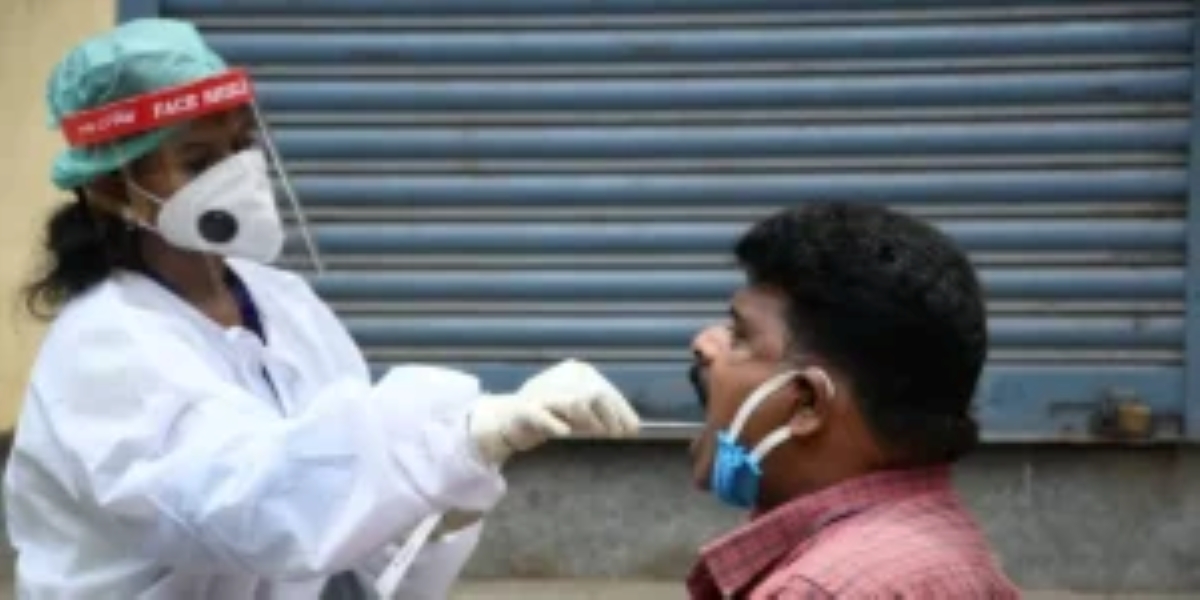
Plans are being tailored to Kerala's specific public health and ecological realities.

Synopsis: Kerala is putting in place detailed epidemic and pandemic preparedness plans across districts, local bodies and institutions, with each blueprint tailored to local health risks, geography and disease patterns instead of a common statewide model. The initiative, shaped by lessons from COVID-19, Nipah and other outbreaks, aims to strengthen early detection and coordinated response. However, addressing gaps in surveillance, workforce and public health infrastructure remains a challenge.
Kerala is drawing up a comprehensive blueprint to tackle future pandemics and epidemics, with preparedness plans being rolled out from the state level down to districts, local bodies and individual institutions.
The move comes amid growing concerns over the rising threat of infectious diseases, particularly zoonotic, driven by climate change, rapid urbanisation, changing human-animal interactions and expanding global travel.
Officials said the plans are being tailored to Kerala’s specific public health and ecological realities, while adopting a One Health approach that brings together human, animal and environmental health to strengthen the state’s ability to respond to future health emergencies.
Also Read: Kerala’s healthcare paradox
Health Department officials stated that Kerala is moving beyond responding to disease outbreaks as they emerge.
Aimed at tackling future health emergencies before they spiral out of control, several districts and local bodies have begun to put in place structured pandemic preparedness plans.
Whereas in the case of epidemic management plans, preparations are at different administrative levels.
In June, the state government decided to come out with a comprehensive epidemic management plan. It constituted a high-power steering committee, an expert advisory committee, a district-level steering committee and an institution-level steering committee.
In the case of pandemic preparedness, a few districts have gone a step further by drawing up dedicated pandemic management plans.
Kollam, Alappuzha, Thrissur and Kannur are among the districts that have taken the lead, alongside institutions such as the Malabar Cancer Centre and local bodies including the Payyannur Municipality in Kannur.
The distinction is more than just terminology.
Epidemics are disease outbreaks confined to a particular region or population, while pandemics spread across countries and continents, affecting millions.
Kerala has lived through both.
The state has repeatedly contained localised outbreaks of diseases such as Nipah, dengue, leptospirosis, Zika, amoebic meningoencephalitis, shigella and Mpox.
Nipah outbreaks, reported in districts including Kozhikode and Malappuram over the years, remained geographically limited despite their high fatality rates.
Seasonal spikes in dengue and leptospirosis during the monsoon have also posed recurring public health challenges.
COVID-19, however, presented an entirely different scale of crisis.
As the first state in India to report a coronavirus case on 30 January 2020, Kerala had to deal with lockdowns, the return of expatriates, strained health infrastructure, and prolonged disruption to everyday life—underscoring the need for long-term preparedness rather than emergency response alone.
Also Read: Kerala’s neighbourhood clinics and nursing homes are rapidly disappearing
Alappuzha has emerged as the state’s model district for pandemic preparedness, with its detailed planning framework now serving as a template for the rest of the state.
After preparing comprehensive pandemic response plans for the district and every panchayat, Alappuzha was designated a “learning site,” where senior officials from other districts were sent in batches to study the planning process and interact with local teams.
What sets Alappuzha apart is its unique geography and the constant risk it poses.
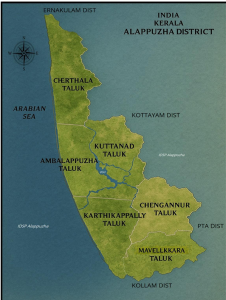
Alappuzha district
The close interface between densely populated human settlements, livestock, wetlands and migratory bird corridors creates conditions that can accelerate the emergence and spread of infectious diseases.
The district has also faced repeated public health challenges, from the COVID-19 pandemic to recurring outbreaks of avian influenza (H5N1), reinforcing the need for continuous preparedness rather than crisis-driven responses.
Officials said the district’s approach goes beyond the health sector.
Risks such as zoonotic spillovers, disease-carrying vectors thriving in waterlogged areas, antimicrobial resistance in livestock and ecological changes in wetlands demand coordinated action involving the Health, Animal Husbandry, Fisheries, Environment, Disaster Management and Local Self-Government departments.
Alappuzha’s history has only strengthened that resolve.
The district has witnessed recurring outbreaks of dengue, leptospirosis, chikungunya and diarrhoeal diseases, particularly during the monsoon and in the aftermath of floods, when stagnant water, displacement and overcrowded relief camps create ideal conditions for disease transmission.
“The district’s preparedness plan is designed to ensure that institutions know exactly how to respond before the next biological threat emerges, making readiness a permanent feature of governance rather than an exercise undertaken only after an outbreak begins,” an official with the District Medical Office said.
Inspired by Alappuzha, Thrissur drew up a similar plan alongside a dedicated Festival Management Plan, recognising the unique risks posed by its crowded cultural events.
The district’s preparedness was put to an unexpected test during the Mundathikode fireworks accident, when the emergency protocol at Thrissur Government Medical College Hospital swung into action.
Officials said victims were triaged, stabilised and treated within minutes, offering a real-world demonstration of how planning can translate into a swift and coordinated response during a crisis.
Malappuram, Kerala’s most populous district, has also drawn up a comprehensive pandemic management plan aimed at strengthening its ability to detect, contain and respond to future public health emergencies.
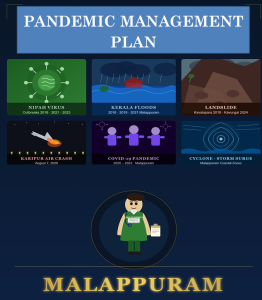
Cover page of Malappuram’s Pandemic Management Plan
The district’s unique demographic and geographic profile has shaped the strategy.
Home to a large expatriate population, particularly in Gulf countries, Malappuram sees a steady flow of return migrants, while remittances remain a key pillar of its economy.
Coupled with high population density and busy inter-district travel corridors, these factors increase the district’s vulnerability to the rapid spread of infectious diseases.
Health officials have also factored in Malappuram’s repeated encounters with zoonotic diseases.
The district was affected during the 2018 Nipah outbreak that originated in Kozhikode. More recently, two separate Nipah spillover events were reported within Malappuram in July and September 2024, though both were contained without secondary transmission.
The district was again placed on high alert in 2025 after fresh Nipah cases emerged elsewhere in Kerala, reinforcing its status as one of the state’s high-risk regions for the virus.
Beyond disease threats, the plan takes into account the district’s exposure to natural disasters.
The 2019 Kavalapara landslide and the 2020 Karipur aircrash stretched emergency response systems, while seasonal flooding, rivers, wetlands and forest fringes continue to heighten the risk of waterborne, vector-borne and other infectious diseases.
The preparedness framework outlines measures for early warning, rapid response, resource mobilisation, coordinated action across government departments and clear public communication at every administrative level.
“A strong healthcare system doesn’t just react to a crisis—it anticipates and prepares for it. The pandemic management plan intends to achieve that objective,” a senior Health Department official said.
Also Read: Most mothers choose private hospitals for childbirth
In addition to that, several districts and institutions have begun drafting location-specific epidemic and pandemic response plans, reflecting the unique health challenges they face rather than relying on a one-size-fits-all strategy.
Besides the mentioned initiatives, detailed pandemic preparedness plans have been drawn up by Kollam district, Malabar Cancer Centre, Payyannur Municipality, and other local bodies, each tailored to local disease patterns, geography, and disaster risks.
For Kollam, the focus is on its long coastline, sprawling inland waterways, bustling port activities and the ecologically sensitive Ashtamudi Lake.
Health officials have identified dense coastal settlements, fishing communities, migratory bird habitats and heavy industrial activity as factors that heighten the district’s vulnerability to disease outbreaks.
Kollam’s Pandemic Management Plan
High labour mobility and a sizeable population dependent on Gulf migration have also been factored into the planning process.
Lessons from the COVID-19 pandemic, along with recurring outbreaks of dengue, leptospirosis and cholera, have shaped the district’s preparedness framework.
In Payyannur Municipality, repeated floods and seasonal outbreaks of waterborne and vector-borne diseases have driven the planning exercise.
The devastating floods of 2018 exposed gaps in emergency response and coordination, prompting the municipality to prepare a detailed map of auxiliary infrastructure and logistical resources. The exercise is expected to improve disaster response, identify critical facilities and ensure quicker access to essential services during emergencies.
Kannur’s plan addresses a different set of challenges.
Frequent cases of dengue and leptospirosis, periodic Hepatitis A outbreaks and climate-induced flooding remain major concerns.
Officials have also highlighted the need for closer surveillance of interstate migrant workers to prevent the re-emergence of malaria and the spread of diseases such as typhoid.
With an international airport and major railway stations at Kannur and Thalassery serving as key entry points, the district has also stressed the need for stronger diagnostic facilities and isolation systems to respond swiftly to emerging infectious diseases and other international public health threats.
Also Read: How Kerala plans to rewrite snakebite prevention
However, health officials pointed out that despite the ambitious preparedness drive, significant gaps remain.
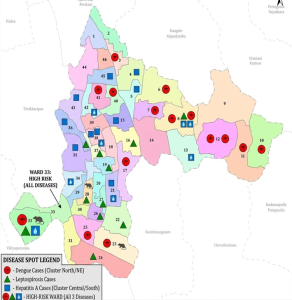
Communicable disease spot map of Payyannur Municipality
“Several long-standing weaknesses still need to be addressed. The availability of trained epidemiologists, microbiologists, infectious disease specialists and public health personnel remains uneven, particularly outside major medical centres. Infrastructure and laboratory capacity also differ widely between institutions, raising concerns over how uniformly preparedness measures can be implemented across the state,” an official with the Directorate of Medical Education said.
Another area that requires attention is disease surveillance at the grassroots.
Officials pointed out that the speed and quality of reporting from sub-centres and peripheral health facilities are not always consistent, making early detection of outbreaks more difficult.
Integrating data generated by the Health, Animal Husbandry and other departments into a seamless surveillance network is another task that is still evolving.
Challenges also persist beyond the healthcare system.
In tribal settlements, remote villages and other underserved regions, delays in seeking treatment and barriers to accessing healthcare can slow the identification and containment of infectious diseases.
Health officials said sustained investment in workforce, surveillance, laboratory networks and community outreach will be as important as the preparedness plans themselves if Kerala is to strengthen its ability to respond to future epidemics and pandemics.
(Edited by Majnu Babu).



