

Published May 27, 2026 | 7:00 AM ⚊ Updated May 27, 2026 | 7:00 AM

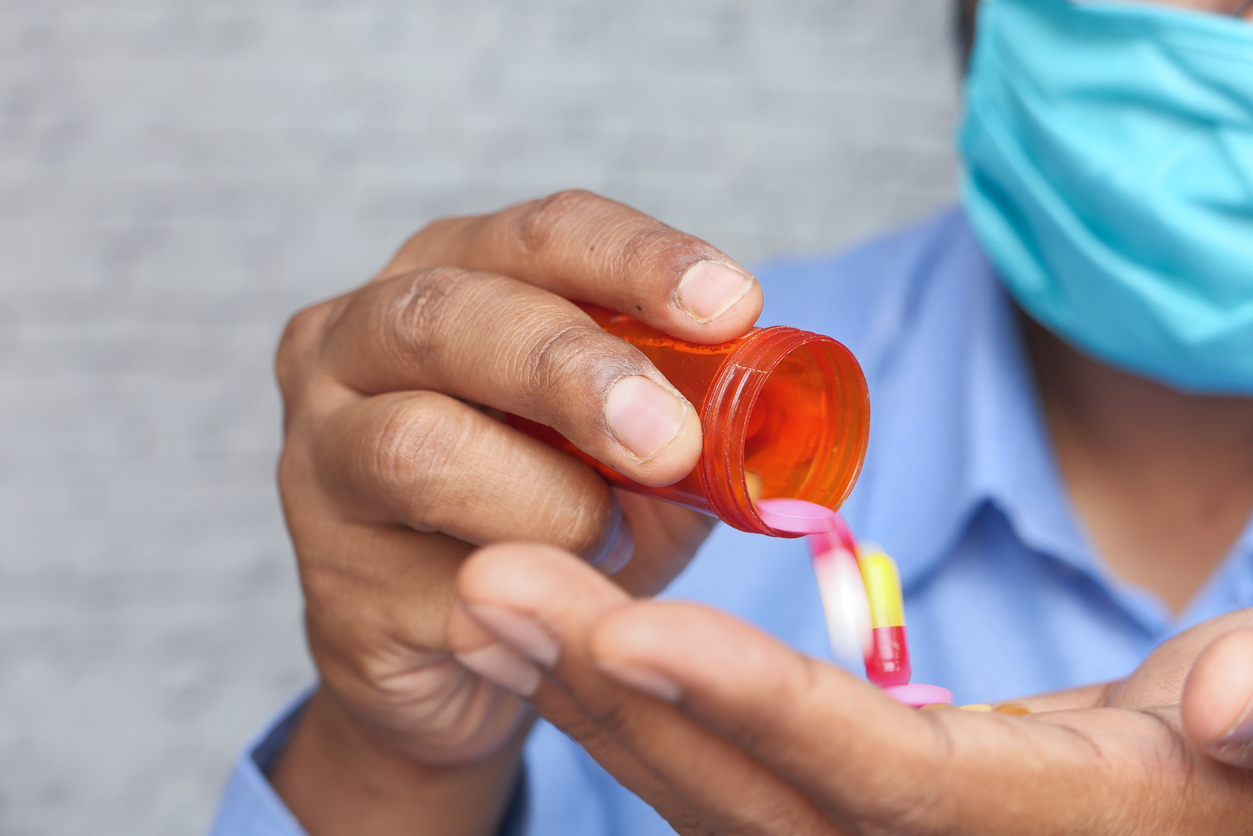
Representational image. Credit: iStock

Synopsis: Nearly 9 in 10 adults in Chennai self-medicate for common illnesses like fever, headaches, and colds, according to a recent study — despite widespread awareness of the risks. Researchers warn that easy access to medicines, work pressures, and delayed doctor consultations are turning self-medication into a growing public health concern.
A mild body pain was all it took. On most mornings when she wakes up feeling feverish, exhausted, or weighed down by menstrual cramps, a Chennai-based college student reaches not for a doctor’s appointment, but for a strip of paracetamol kept within easy reach.
“I usually take paracetamol or a painkiller on my own. I know my body well enough to understand when it’s just because of stress, lack of sleep, weather, or exhaustion,” she told South First.
“Fever and cold are very common, so I don’t immediately feel the need to see a doctor. Usually, I take one or two tablets and rest. If I still don’t feel better after that or the next day, then I’ll consult a doctor.”
Her habit, it turns out, is far from uncommon.
A recent Chennai-based study published in the International Journal of Innovative Research in Science, Engineering and Technology (IJIRSET) found that nearly 92.5 percent of adults surveyed had practiced self-medication at least once — often for common illnesses such as headache, fever, cold, and cough.
The study, conducted by researchers from the Department of Community Medicine at Government Omandurar Medical College, Chennai and led by Dr Arun Murugan S, points to a growing culture of self-medication driven by convenience, easy pharmacy access, and familiarity with common symptoms.
Also Read: How Chennai is racing to build heatstroke wards as temperature soars
The cross-sectional study surveyed 174 adults above the age of 18 using a structured questionnaire that examined medicine-use behaviour, awareness, attitudes toward self-medication, and eHealth literacy.
Painkillers were the most frequently used medicines, alongside vitamins, cough syrups, antacids, and herbal remedies. “The findings suggest that self-medication has become a routine response to minor illness rather than an occasional behaviour,” the authors noted.
The study found that familiarity with symptoms and the ease of obtaining medicines were among the biggest drivers behind the trend. Many respondents said they preferred self-medication for “minor illnesses,” while pharmacies without prescriptions emerged as the most common source of medicines.
The study also highlighted how informal advice networks continue to shape healthcare decisions, with medicines often being shared among friends and family or stored for future use.
“A large proportion of respondents normalised the practice for minor illness,” the study stated, adding that many participants considered self-medication both practical and acceptable despite being aware of possible risks.
Researchers also flagged several unsafe medicine-use behaviours that appeared alongside the practice. Nearly seven in 10 respondents admitted to sharing prescribed medicines with others, while many reported adjusting doses on their own or delaying professional medical care because they believed the illness was manageable at home.
“Delayed professional help because of self-medication was reported by 72.4 percent of participants,” the study mentioned, calling it a major public health concern.
The paper further pointed to moderate-to-low eHealth literacy among respondents, suggesting that while many people rely on online health information, they may not always have the skills to judge whether that information is accurate or safe.
What makes the findings more concerning, researchers say, is that awareness alone does not appear to be reducing the practice.
While many respondents knew self-medication could lead to side effects or antibiotic resistance, the behaviour continued to remain deeply normalised in everyday life, particularly for illnesses considered “minor” or familiar.
According to Dr Rex Sargunam, President of the Tamil Nadu Health Development Association, the issue reflects both behavioural patterns and larger healthcare accessibility gaps.
“Self-medication for minor illnesses has become very common because medicines are easily available, people want quick relief, and many consider symptoms like fever or headache as routine problems that do not require medical consultation,” he told South First.
He added that long waiting times, urban work pressures, rising consultation costs, and unrestricted access to medicines continue to push many people toward pharmacies instead of clinics.
Dr. Sargunam also pointed to what he described as a growing disconnect between awareness and action. “What is particularly striking in this study is not just the high prevalence of self-medication, but the contradiction between awareness and behavior,” he said.
“Even though many participants knew self-medication could cause side effects or antibiotic resistance, the practice still remained normalised.”
The study similarly warned that habits such as delaying medical consultation, modifying doses without advice, and reusing stored medicines could gradually turn self-medication from a matter of convenience into a wider public health concern.
Also Read: No public health emergency yet, but Chennai tightens glanders surveillance after joyride horse death
For many working professionals in Chennai, self-medication is often less about carelessness and more about managing time.
“In cities like Chennai, going to a doctor for a common cold or throat pain feels difficult when you’re working full-time. Consultations take time, waiting periods are long, and the costs also add up. Most of us don’t have the luxury to spend half a day at a clinic for something that feels minor,” said a Chennai-based employee, speaking on condition of anonymity.
“So usually, I go to a pharmacy, explain my symptoms, and take the medicine they suggest. It’s faster, easier, and honestly, that’s what many working people in metro cities do,” he told South First.
The study found that this mindset is becoming increasingly common, especially for symptoms such as fever, cold, and cough — illnesses many respondents considered too “routine” to require medical consultation.
Researchers noted that easy pharmacy access, familiarity with medicines, and prior experience with similar symptoms were among the biggest reasons driving self-medication.
According to the survey, 24.7 percent of participants reported experiencing side effects after self-medicating, while 44.8 percent said they were unsure whether they had faced medicine-related side effects at all.
Among those who did experience side effects, 53.4 percent consulted a doctor, but others either stopped the medicine on their own, ignored the symptoms, or switched medicines without professional advice.
Researchers also found that self-medication often delayed proper healthcare. The study reported that 72.4 percent of respondents had postponed seeking medical help because they initially chose to treat themselves at home.
Several unsafe medicine-use habits also emerged during the survey: 69.5 percent admitted to sharing prescribed medicines with others, while 64.4 percent said they stored leftover medicines for future use. Only 17.2 percent said they always checked expiry dates before consuming medicines.
The study further flagged antibiotic misuse as an ongoing concern, with 11.5 percent of respondents reporting antibiotic self-medication despite growing public awareness about drug resistance and inappropriate medicine use.
Also Read: When water content in the body gets depleted: Inside emergency ward of Chennai hospitals this summer
According to Dr. Ram Mohan KR, Senior Consultant, Emergency Medicine at MGM Hospitals Chennai, and President of the Society of Emergency Medicine, Tamil Nadu, routine self-medication can become dangerous when people repeatedly treat symptoms without understanding the actual cause of the illness.
“In emergency medicine, we often see patients reaching hospitals late because they initially relied on painkillers, antibiotics, or pharmacy advice for symptoms that later turned out to be serious conditions,” he added.
He warned that frequent or unsupervised use of painkillers such as paracetamol or NSAIDs can gradually affect the liver, kidneys, stomach lining, and blood pressure, especially when people exceed recommended doses or combine medicines unknowingly.
“The danger is not always one tablet, but the habit of repeatedly self-treating and delaying proper medical care,” he added.



