

Published May 22, 2026 | 3:56 PM ⚊ Updated May 22, 2026 | 3:56 PM

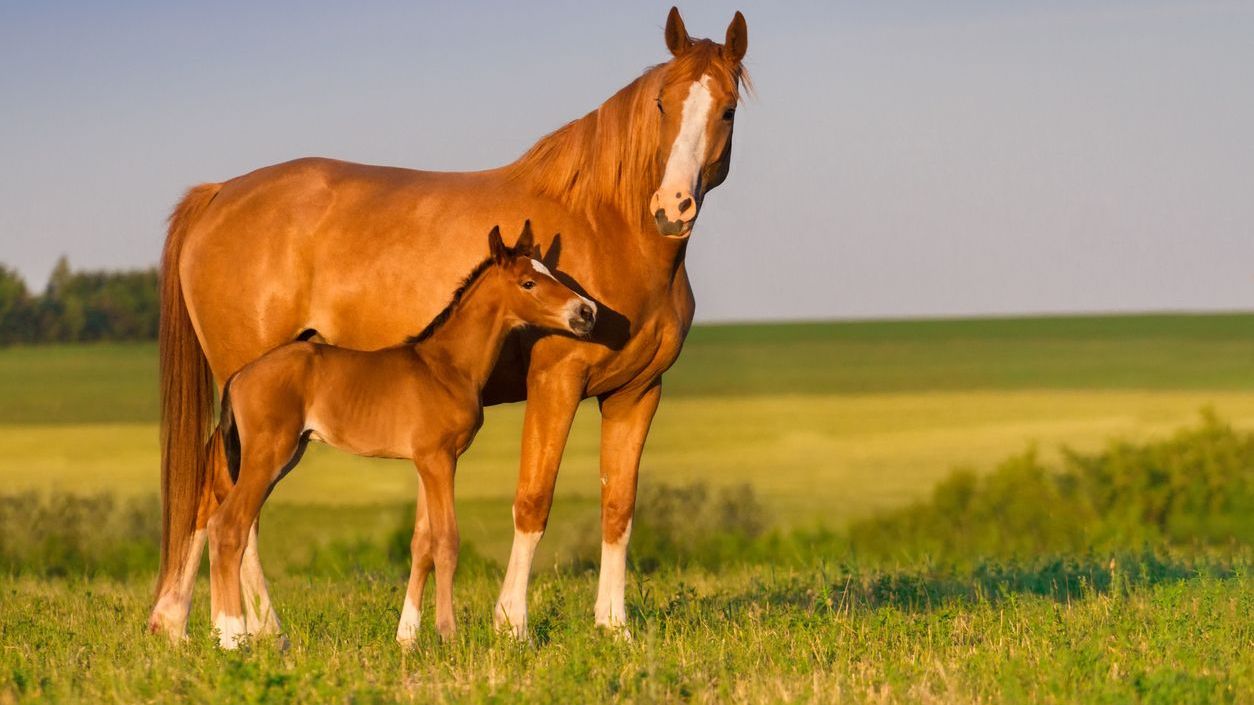
Horse. (iStock)

Synopsis: After a joyride horse suspected of glanders died in Chennai, Tamil Nadu authorities ramped up surveillance, testing horses and screening handlers for exposure. Officials said strict protocols are in place and there is no immediate public health threat.
Following the recent death of a joyride horse suspected to have been infected with glanders, the Tamil Nadu government has intensified surveillance and testing measures, even as officials maintain that there is no immediate cause for public panic.
Nearly 200 samples collected from horses operating at Marina, Elliot’s and Kovalam–Mahabalipuram beaches have been sent to the ICAR–National Research Centre on Equines in Haryana for laboratory confirmation.
Authorities have also begun screening horse handlers and others who may have come into close contact with the animals, as glanders is a zoonotic disease, caused by the bacterium Burkholderia mallei, capable of spreading from infected equines to humans.
Directorate of Animal Husbandry and Veterinary Services, Tamil Nadu, have been conducting daily inspections and sample collection drives since 16 May at beaches, temporary shelters and veterinary centres linked to joyride horses.
Areas under surveillance include Besant Nagar beach, Marina beach, Adyar, Mahabalipuram, and local animal dispensaries.
Also Read: Should Indians worry about Ebola? Experts say no, but stay informed
Under the Union government’s revised glanders action plan, any animal that tests positive must be humanely euthanised and the affected premises disinfected to prevent further spread.
The directorate stressed that although glanders is a zoonotic disease — meaning it can spread to animals and humans — there was no major cause for concern.
They noted that joyride horses in districts such as the Nilgiris are routinely screened for diseases and that the prescribed protocol for glanders was being strictly followed.
Officials added that the ICAR-National Research Centre on Equines (ICAR-NRCE) would issue confirmation only if the collected samples tested positive.
The disease primarily affects horses, donkeys and mules and is considered highly contagious among equines. Early detection remains critical because infected animals can sometimes carry the disease for long periods without obvious symptoms.
Dr Praveen Kumar Reddy, Consultant, General Medicine, SRM Prime Hospital, Chennai, said glanders in humans are relatively rare and usually affect those with prolonged exposure to infected horses or contaminated equipment.
“Human infection is uncommon and is mostly seen among handlers, veterinarians or people who come into direct contact with infected animals,” he told South First.
He added that there is no evidence at present of widespread public transmission in Chennai and that human-to-human spread of the disease is considered extremely rare.
According to Dr Reddy, symptoms in humans can resemble a severe bacterial infection and may include fever, body pain, chest symptoms or skin ulcers after direct exposure.
“If anyone who has handled these animals develops persistent fever, breathing difficulty or unusual skin infections, they should seek medical attention immediately,” he said.
He also stressed the importance of basic protective measures for people working around horses, including the use of gloves, masks and proper hygiene while handling animals or cleaning shelters and equipment.
Also Read: Heatwave tightens grip on Andhra Pradesh as temperatures climb beyond 48°C
What health authorities are advising
(Edited by Muhammed Fazil.)



