

Published May 16, 2026 | 7:00 AM ⚊ Updated May 16, 2026 | 7:00 AM

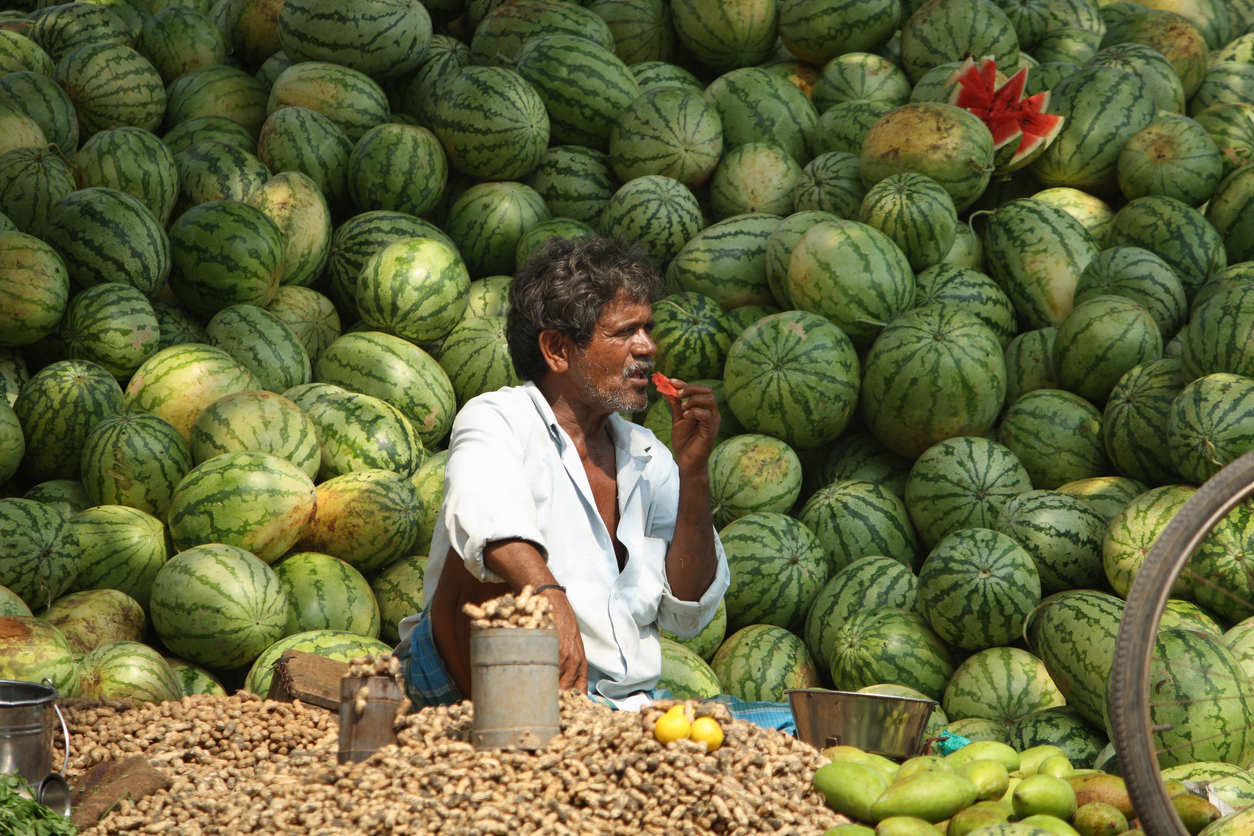
Representational image. Credit: iStock

Synopsis: Chennai’s government hospitals have activated heatwave preparedness plans, including dedicated heatstroke wards, expanded ORS distribution, and mock drills. Stanley Medical College and Rajiv Gandhi Government General Hospital have set up specialized units with ICU beds, hydration counters, and rapid cooling facilities. Civic agencies are distributing ORS and water, while doctors urge hydration and caution for vulnerable groups during peak summer.
A construction worker does not choose when he collapses. He falls where the sun finds him, on a road, a scaffold, a bus stop, with a body temperature that his organs can no longer manage. At that point, the city has roughly minutes.
This summer, however, Chennai’s government hospitals say they are ready.
Government hospitals in Chennai have strengthened heatwave preparedness measures, including operationalising dedicated heatstroke wards, expanding oral rehydration support (ORS) and conducting mock drills, as the city continues to grapple with intense heat and humidity.
The measures follow directions issued by the Union Health Ministry asking States and Union Territories to establish heatstroke management facilities ahead of the peak summer period.
Government Stanley Medical College Hospital has activated a dedicated heatstroke ward with six beds, stocked with intravenous fluids, ORS, ice packs and emergency medicines.
According to Dr S Chandrasekar, Professor and Head of the Department of Medicine at Government Stanley Medical College, the hospital had received official communication regarding heat preparedness measures before the beginning of May, following which the dedicated ward was operationalised.
“The ward has sufficient doctors, staff nurses and all necessary medicines required for emergency management of heatstroke patients,” he told South First, adding that mock drills had also been conducted recently to assess the hospital’s preparedness and emergency response systems.
Dr Chandrasekar said the current six-bed capacity could be expanded depending on the number of cases reported during the peak summer weeks.
Also Read: Can green roofs cool Chennai without worsening water stress?
Similar preparedness measures have also been initiated in other government hospitals across Chennai as part of the State’s heat mitigation strategy.
Officials at Rajiv Gandhi Government General Hospital told South First that the institution has intensified its summer preparedness measures ahead of the expected rise in temperatures across the state.
No heatstroke cases have been reported so far this season, but precautionary arrangements are being strengthened to handle any heat-related emergencies during the peak summer months.
“We have activated a dedicated summer emergency preparedness plan with nine ICU units for severe heat-related emergencies,” the hospital said.
Authorities added that the combined intensive care infrastructure currently includes around 30 beds equipped for rapid cooling, hydration support and continuous monitoring of critical patients.
Separate observation spaces are also being maintained for patients arriving with symptoms such as dehydration, dizziness, fatigue and muscle cramps to ensure early intervention before complications develop.
According to the hospital, construction labourers, sanitation workers and others engaged in prolonged outdoor activity are at increased risk of dehydration, heat exhaustion and electrolyte imbalance during extreme temperatures.
“Our preparedness this year is focused not only on treatment but also on preventing complications through early hydration and timely medical intervention,” the hospital said.
Emergency medicine teams and critical care staff have been placed on standby round the clock as part of the expanded summer response system.
The hospital also noted that elderly patients and individuals with pre-existing illnesses such as diabetes, hypertension and kidney disorders require closer monitoring during heatwave periods, as high temperatures can worsen underlying medical conditions and increase the likelihood of emergency admissions.
Alongside hospital preparedness, civic agencies have expanded preventive measures to reduce public exposure to extreme heat conditions in Chennai.
The Greater Chennai Corporation (GCC) has begun distributing ORS packets through Amma Canteens and urban primary health centres across the city.
Chennai Metro Water has also been directed to ensure the availability of clean drinking water facilities near bus stops and crowded public transport locations.
At Stanley Medical College Hospital, ORS distribution counters have additionally been arranged in busy outpatient departments where patients often wait for extended periods during consultations.
“Apart from the heatstroke ward, we have arranged clean ORS containers and hydration counters in crowded OP sections so that patients and attendants can remain hydrated,” Chandrasekar said.
Authorities have also continued work on heat mitigation infrastructure such as temporary shelters at traffic junctions and digital display boards showing local temperature and humidity levels across neighbourhoods.
Also Read: When water content in the body gets depleted: Inside emergency ward of Chennai hospitals this summer
Doctors say Chennai routinely witnesses a rise in summer-related illnesses during periods of extreme heat and humidity, particularly among vulnerable populations.
According to Chandrasekar, hospitals are commonly reporting cases of dehydration, exhaustion, skin rashes, fungal infections, vomiting, abdominal pain and loose stools during the summer months.
Respiratory infections are also seen among people frequently consuming chilled beverages or exposed to crowded outdoor gatherings.
He explained that high temperatures and humidity can interfere with the body’s natural cooling mechanisms, resulting in excessive loss of water and electrolytes such as sodium and potassium. Symptoms often include fatigue, dizziness, reduced urination and dark-coloured urine.
“Elderly persons, pregnant women and people with diabetes, hypertension or obesity are particularly vulnerable to heat-related exhaustion,” he said.
Chandrasekar noted that heat exhaustion and heatstroke are distinct conditions.
While heat exhaustion causes dehydration, fatigue and excessive sweating, heatstroke can cause patients to suddenly collapse, lose consciousness or develop seizures as the body loses its ability to regulate temperature.
Doctors advised the public to avoid direct sunlight between 10 a.m. and 3 p.m., stay hydrated and wear loose cotton clothing.
Tender coconut water, lemon juice, watermelon and fermented rice-based preparations can help maintain hydration during extreme heat, doctors said.



