

Published Nov 19, 2026 | 9:41 PM ⚊ Updated Nov 19, 2026 | 9:41 PM

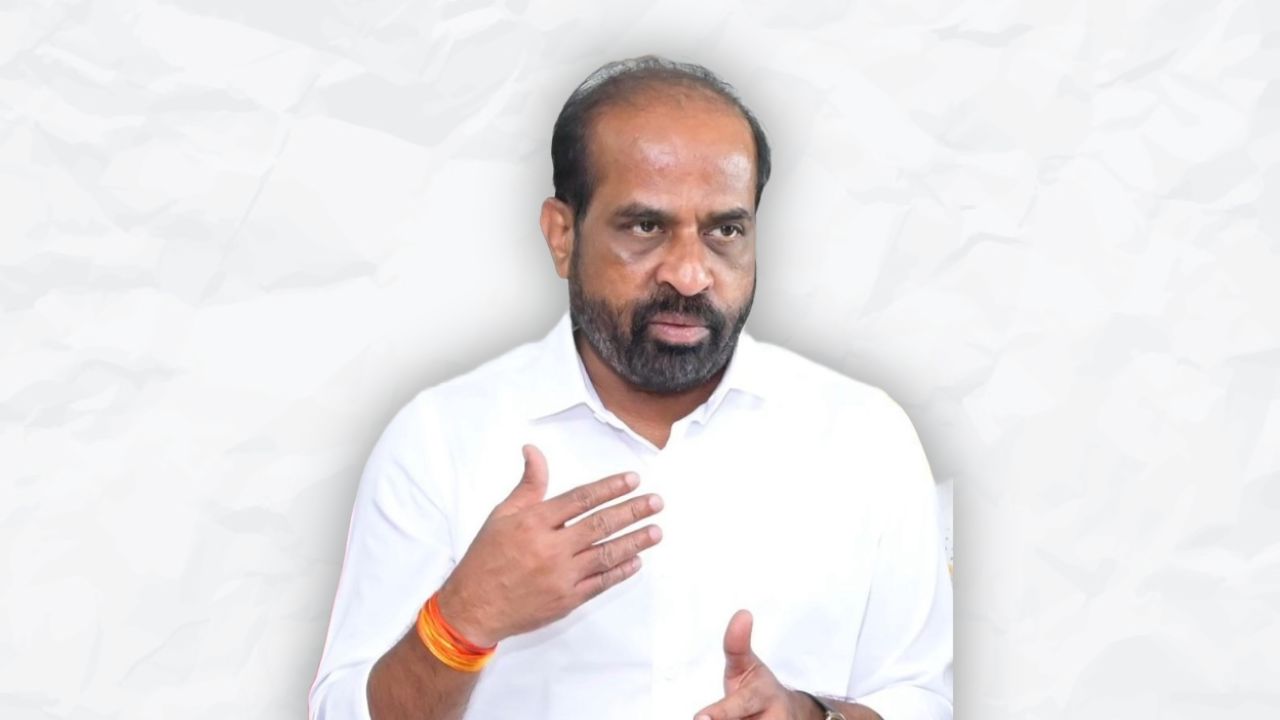
Andhra Pradesh Health and Family Welfare Minister Satya Kumar Yadav

Synopsis: Director of Medical Education Dr Vishnu Vardhan presented the proposals for specialised treatment centres, medical equipment and infrastructure development. The government is considering introducing robotic surgery in phases, with King George Hospital in Visakhapatnam and the Government General Hospital in Kurnool among the proposed locations for the next phase.
The Andhra Pradesh government has proposed investing ₹1,011 crore to expand advanced medical services in government teaching hospitals, including In Vitro Fertilisation (IVF) centres, bone marrow transplant facilities, organ transplant units, and comprehensive cancer care centres.
The proposal also includes introducing robotic-assisted surgeries in government hospitals, beginning with a ₹45 crore robotic surgery centre at the Government General Hospital in Vijayawada.
Health Minister Satya Kumar Yadav reviewed the proposals during a meeting at the state Health Department headquarters in Mangalagiri on Thursday, 19 November. Officials also discussed hospital infrastructure, pending construction projects and the availability of critical care facilities.
Director of Medical Education Dr Vishnu Vardhan presented the proposals for specialised treatment centres, medical equipment and infrastructure development. The government is considering introducing robotic surgery in phases, with King George Hospital in Visakhapatnam and the Government General Hospital in Kurnool among the proposed locations for the next phase.
Also Read: Andhra Pradesh cuts self-financing fee, fills 12 vacant MBBS seats in government colleges
The government plans to establish five IVF centres at government teaching hospitals in Guntur, Anantapur, Vizianagaram, Kakinada and Tirupati. The estimated cost is ₹17.5 crore.
Bone marrow transplant facilities are proposed at teaching hospitals in Visakhapatnam, Guntur and Kurnool, at an estimated cost of ₹48 crore.
The proposals also include organ transplant centres at the Kidney Research Centre in Palasa and 11 existing government teaching hospitals. These facilities are expected to require an investment of ₹163.52 crore.
A specialised centre for treating rare diseases is proposed at the Vijayawada Government General Hospital, at an estimated cost of ₹17 crore.
Other planned facilities include geriatric care centres, clinical skills and simulation centres, interventional neuroradiology units, a speech and hearing ENT centre and comprehensive cancer care facilities.
The DME has also proposed a State Institute of Medical Education and Public Health at an estimated cost of ₹180 crore. The state has also submitted a separate proposal of ₹65 crore to strengthen intensive care units.
Yadav said the proposals would be discussed with Chief Minister N Chandrababu Naidu before the government decides.
Also Read: Why PG doctors are walking away from coveted AIIMS and JIPMER seats
The state has proposed five comprehensive cancer care centres in Anantapur, Machilipatnam, Vijayawada, Srikakulam and Ongole. Each centre is estimated to cost ₹100 crore, taking the total proposed investment to ₹500 crore.
The minister directed officials to submit proposals to the Department of Atomic Energy to secure funding for these centres. The Department of Atomic Energy leads cancer care and oncology research primarily through the Tata Memorial Centre and the National Cancer Grid.
Yadav directed officials to ensure the availability of intensive care beds and ventilators based on patient needs. He said the government should not compromise on facilities that could affect patients’ lives.
Although 850 ventilators have already been proposed, the minister asked officials to assess requirements on the ground and identify how many additional units are needed.
He also instructed officials to assess the need for CT scanners, MRI machines and catheterisation laboratories based on patient load and each hospital’s level.
Also Read: AP government’s PPP model medical college dream struggles to take off
The minister asked officials to accelerate construction at newly established government medical colleges and ensure that buildings and equipment required for MBBS and postgraduate courses were ready.
He directed them to prioritise and complete pending construction work at 11 government medical colleges. Officials were also asked to use the ₹343 crore released during the current financial year to procure equipment and complete infrastructure work, in line with the Centre’s approval of postgraduate seats.
Officials said they had submitted proposals for first-phase construction works worth ₹2,340 crore at government teaching hospitals.
The DME also said it had prepared proposals to secure ₹7,369 crore under the Special Assistance to States for Capital Investment (SASCI) scheme. Separately, proposals had been submitted to the state government to modernise government teaching hospitals at an estimated cost of ₹2,499.97 crore during the 2027-28 financial year.
Also Read: South continues to dominate as NMC adds 9,911 MBBS seats for 2026-27
The minister directed officials to hand over the management of multi-specialty hospitals under construction in tribal areas to the Director of Secondary Health, taking into account the geographical conditions of these regions.
He also instructed officials to procure the medical equipment required for these hospitals through the National Health Mission.
The meeting also reviewed construction works, expenditure incurred and pending funding requirements.
(Edited by Majnu Babu).



