

Published Nov 10, 2026 | 7:00 AM ⚊ Updated Nov 10, 2026 | 7:00 AM

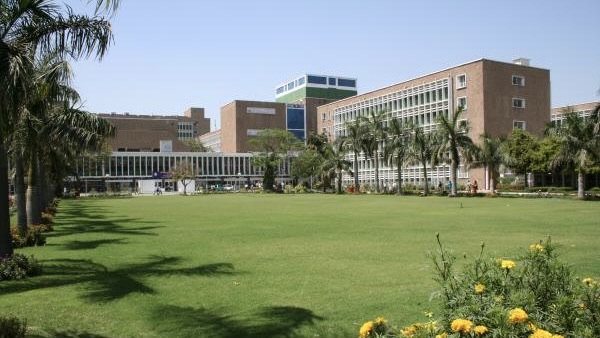
In 2025, 233 postgraduate doctors left their courses, against 1,480 admissions.

Synopsis: Right to Information (RTI) responses from 10 premier medical institutions show that 233 postgraduate doctors left their courses in 2025, amounting to 15.7 exits for every 100 admissions. Doctors cite long working hours, hostile workplace cultures, inadequate surgical training and differences in salaries and counselling schedules as factors that can influence their decision to leave.
Doctors who secure highly competitive postgraduate seats at premier medical institutions such as AIIMS and JIPMER are leaving their courses midway, according to Right to Information (RTI) responses obtained from 10 medical institutions by the United Doctors Front (UDF).
In 2025, 233 postgraduate doctors left their courses, against 1,480 admissions across AIIMS Delhi, Kalyani, Jodhpur, Rishikesh, Raipur, Patna, Nagpur, Gorakhpur and Bibinagar, and JIPMER Puducherry. This amounts to approximately 15.7 exits for every 100 admissions reported by these institutions.
JIPMER reported 60 resignations against 200 admissions in 2024, or 30 percent. In 2025, it reported 44 resignations against 187 admissions, or 23.5 percent.
AIIMS Delhi reported that 60 of its 324 junior residents left in 2024, accounting for 18.5 percent. The number fell to 34 of 267 in 2025, or 12.7 percent.
Dr Lakshya Mittal, chairperson of the UDF, said the figures raised concerns about the working conditions faced by postgraduate doctors.
“They fought for a seat in India’s premier medical institutions, but are now quitting. Long working hours, toxic workplace culture and inadequate institutional support are pushing PG doctors to leave India’s premier medical institutions,” Mittal said.
Also Read: A schoolgirl and a fit marathon runner: What is behind sudden cardiac deaths in the young?
Among the newer campuses, AIIMS Gorakhpur reported 19 exits among 51 residents from its 2025 batches, or 37.3 percent. This was the highest proportion among the institutions that reported comparable batch-wise figures for that year. AIIMS Patna reported 12 exits against 63 admissions, while AIIMS Kalyani recorded 13 exits against 81 admissions.
AIIMS Nagpur reported 26 exits against 111 admissions in 2025, or 23.4 percent. AIIMS Jodhpur reported 33 exits against 276 admissions, while AIIMS Rishikesh recorded 30 exits against 233 admissions.
AIIMS Raipur provided two different counts. It reported that 19 residents from its 2025 admission batches had left during the year, against 155 admissions. Separately, it reported 54 exits across all six batches undergoing training in 2025.
AIIMS Bibinagar reported three exits among 56 residents from its 2025 batches.
Data for 2026 also shows exits at several institutions. For instance, AIIMS Gorakhpur reported 14 exits among 55 residents, while AIIMS Patna reported eight among 129 admissions.
Dr Mohammed Zeeshan Ali, an MD Radiodiagnosis graduate currently working as a radiologist at MNJ Cancer Institute, said several factors could influence a postgraduate doctor’s decision to leave a premier institution. These include demanding work schedules, a toxic workplace culture, inadequate hands-on training, differences in salary and the opportunity to secure a preferred speciality in another counselling round.
Dr Ali, who completed his postgraduate training at Nizam’s Institute of Medical Sciences (NIMS), had earlier joined PGIMER, a central government institute, for postgraduate training in general surgery before leaving the programme. Drawing on that experience, he said the workload at PGIMER was considerably higher than what he had encountered earlier.
He said residents could be assigned 12-hour shifts, but their actual working hours often extended beyond the scheduled time because of patient handovers, emergency cases and pending clinical work.
“The handover itself could take us until 10 or 11 am. If an emergency case came into the OPD, we had to complete all the pre-operative formalities required before surgery,” he told South First.
Dr Ali also described the senior-junior culture as toxic, alleging that residents faced strict monitoring and abusive communication from seniors.
“Even if we arrived at 8.10 am, just ten minutes late, they would make us write explanation letters,” he said.
He added that residents could be called back to the hospital even after completing their shifts if pending patient-related work remained.
“Similarly, suppose we had not received a patient’s test reports and left after 8 pm. They would call us back after duty and ask us to bring the reports, attach them to the patient’s file and complete the pending work,” Dr Ali said.
He said the experience could be particularly difficult for residents who had moved to another city and were adjusting to a different working environment, language and culture. He also alleged instances of regional bias in some departments.
Also Read: Telangana gets 14 new MD Radiodiagnosis seats; 12 are in colleges without government MRI machines
Dr Ali also raised concerns about limited hands-on surgical experience in some departments. He said elective procedures at PGIMER were generally performed by consultants and faculty members, leaving residents with fewer opportunities to operate independently.
“During my three months there, I did not even go to the operation theatre. I did not witness any surgical case or get an opportunity to assist in one,” he said.
He recalled a senior resident who, by the sixth semester of general surgery training, had independently performed only one procedure: an amputation. According to Dr Ali, the senior resident had expressed regret about choosing the speciality because he felt he had not received adequate practical exposure.
“If a resident reaches the sixth semester without adequate independent surgical experience, it raises questions about how they will pursue the speciality further,” Dr Ali said.
He said inadequate hands-on experience could be one of the reasons residents leave surgical specialities at central institutions. In his assessment, residents in some non-surgical specialities, including radiodiagnosis and radiotherapy, appeared less likely to leave, while general surgery saw more exits.
“This is one of the major reasons. They feel that they are not getting the hands-on experience required to become competent surgeons,” he said.
Also Read: Ask an AI chatbot for a medicine, and you may get the same brand again and again, study finds
Dr Ali said working conditions were not the only reason postgraduate doctors leave. Some candidates accept a seat in a speciality they do not particularly prefer as a temporary option while preparing for another entrance examination. They may then leave if they secure a more preferred speciality or institution in a subsequent admission cycle.
He pointed to the difference between NEET-PG and INI-CET counselling schedules, which can make it difficult for candidates to compare their options before accepting and locking a seat.
“Students often lose out because there is a gap between the counselling schedules of central institutes and NEET-PG,” he said.
“If the two counselling processes were conducted simultaneously or within a month of each other, before the seat-locking period, students would be in a better position to choose their preferred institute and speciality,” Dr Ali said.
He also cited differences in salary and the absence of bond requirements at some central institutions as factors that can influence a candidate’s decision to leave. In his view, the availability of more regular salaries at central institutes can attract candidates, while the absence of a substantial bond penalty can make it easier for them to resign if they secure another seat.
Dr Ali said bond requirements at state medical colleges could also restrict a resident’s options. “Leaving a seat at a state institution requires a penalty of ₹5 lakh. Such penalties could make it difficult for candidates from less financially secure backgrounds to leave a speciality they do not wish to pursue,” he said.
Also Read: FSSAI proposes allowing chemically recycled plastic in food packaging, sets safety conditions
The RTI responses also reveal gaps in the information maintained by institutions on residents seeking mental health support.
AIIMS Patna reported that 15 residents received counselling in 2025, while AIIMS Rishikesh reported six since 1 January 2026. AIIMS Raipur reported zero in both 2025 and 2026, despite reporting 54 exits across all batches in 2025. AIIMS Nagpur marked ‘No’ against every department in both years.
AIIMS Delhi said it did not maintain compiled data on psychiatric counselling, while AIIMS Jodhpur said consolidated information was unavailable. AIIMS Kalyani and Bibinagar declined to provide the figures on privacy grounds.
The RTI application also sought information on workplace factors recorded by psychiatric counsellors as causes of stress, depression and sleep deprivation. None of the institutions provided the requested information.
Mittal said the government and regulatory authorities should investigate the reasons behind the resignations, ensure that working-hour regulations are implemented and establish independent mechanisms through which residents can report workplace grievances.
“The government and regulatory authorities must urgently investigate the reasons behind these resignations, ensure effective implementation of residency working-hour regulations, establish independent grievance-redressal mechanisms and fix institutional accountability,” he said.
He warned that continuing workplace problems could discourage young doctors from pursuing demanding specialities and taking on responsibilities in hospitals.
“Residency is meant to train doctors, not break them. Discipline is not humiliation, dedication is not exploitation, and medical training must never come at the cost of human dignity,” Mittal said.
“If this continues, the day is not far when we may struggle to find young doctors willing to take up the scalpel and shoulder the immense responsibilities of our hospitals. We cannot afford to lose an entire generation of dedicated doctors to a toxic training environment.”
(Edited by Dese Gowda)



