

Published Aug 11, 2026 | 6:28 PM ⚊ Updated Aug 11, 2026 | 9:46 PM

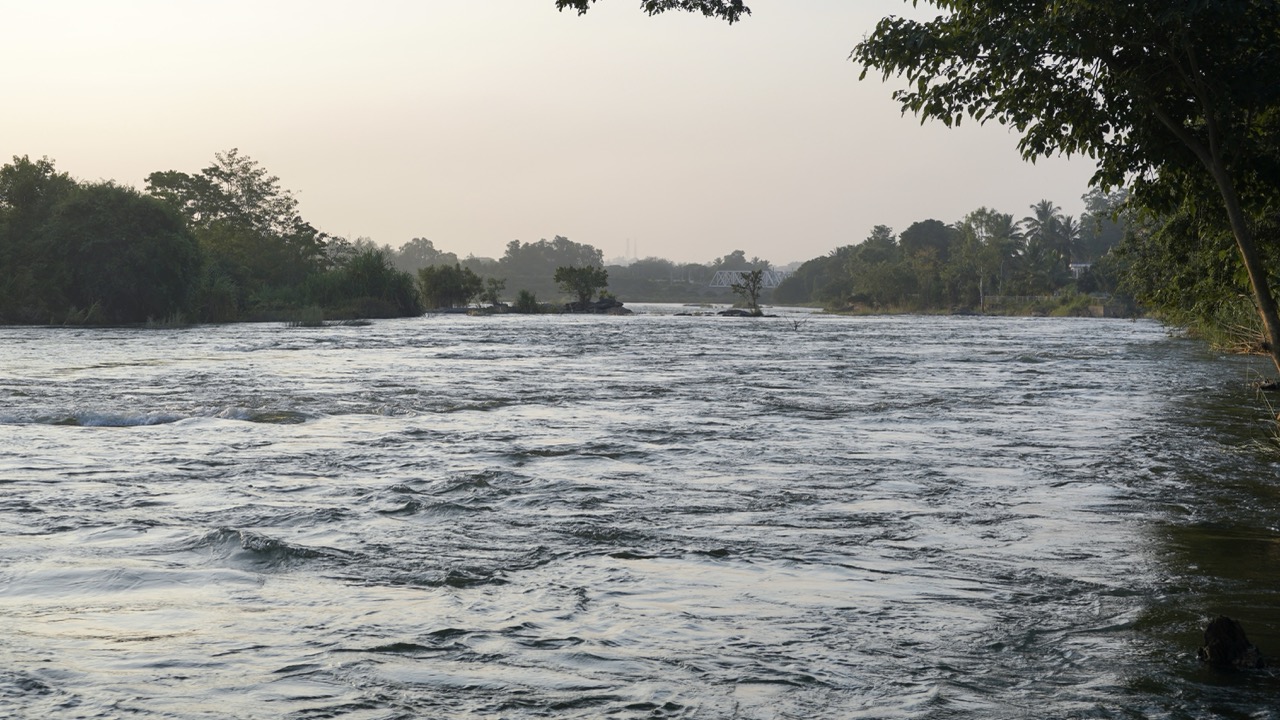
Cauvery River.

Synopsis: The Cauvery Water Management Authority (CWMA) on Tuesday directed Karnataka to release 1 TMC (roughly 12,000 cusecs) of Cauvery water daily to Tamil Nadu for 15 days from 12 August. The decision, which endorsed the Cauvery Water Regulation Committee’s (CWRC) recommendation made earlier on Tuesday, came after Tamil Nadu alleged that Karnataka had failed to comply with an earlier direction to release 3,500 cusecs daily.
The Cauvery Water Management Authority (CWMA), chaired by SK Haldar, on Tuesday evening, 11 August, directed Karnataka to release 1 TMC (roughly 12,000 cusecs) of Cauvery water daily to Tamil Nadu for 15 days from 12 August.
The direction requires Karnataka to regulate releases from its reservoirs so that the stipulated flow is realised at Biligundlu, the inter-State measuring point.
The CWMA affirmed and endorsed the decision of the Cauvery Water Regulation Committee (CWRC) taken earlier on Tuesday after Tamil Nadu complained that Karnataka had failed to comply with an earlier release direction.
The CWRC had on 28 July directed Karnataka to ensure a flow of 3,500 cusecs at Biligundlu for 15 days from 29 July, a direction subsequently upheld by the CWMA.
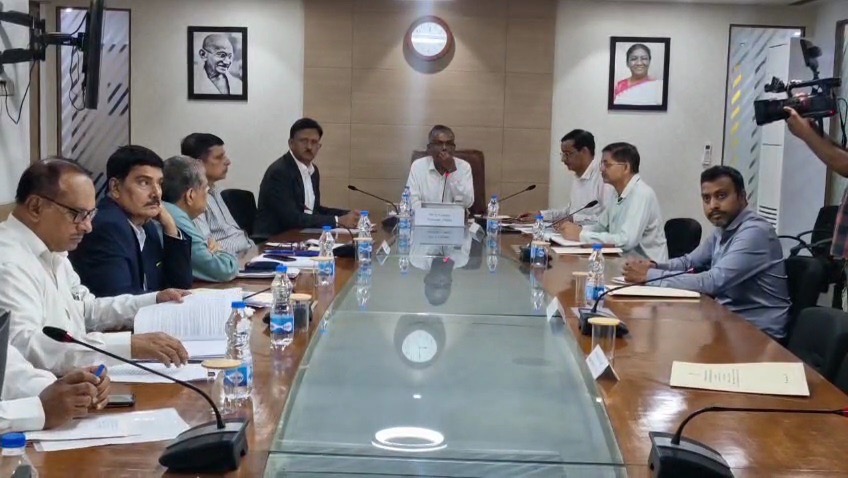
The CWMA affirmed and endorsed the decision of the Cauvery Water Regulation Committee (CWRC) taken earlier on Tuesday.
Tamil Nadu, however, claimed that the actual flow at Biligundlu was only 158 to 550 cusecs between 29 July and 2 August, far below the stipulated 3,500 cusecs.
Karnataka raised concerns over reservoir levels and inflows. The earlier direction had triggered protests across the old Mysore region, with appeals to Chief Minister DK Shivakumar to refuse the release.
Also Read: ‘Nice joke’: Prakash Raj’s name deleted from Bengaluru voter roll, marked ‘permanently shifted’
At Tuesday’s meeting, Karnataka argued that its water position did not permit further releases at the level sought by Tamil Nadu. It said its four Cauvery reservoirs had received 77.746 TMC during the monsoon, about 47 percent below the 30-year average, with inflows declining rapidly.
Karnataka also told the CWMA that it had already ensured 86,942 cusecs at Biligundlu against the prescribed 52,500 cusecs, with additional water in transit and further augmentation expected. It said the deficient monsoon, falling inflows and limited reservoir storage required conservation of water for drinking, essential uses and Kharif agriculture.
The state argued that distress sharing could not be determined through a rigid pre-determined or pro-rata formula based only on inflows into its four Cauvery reservoirs. It said such an approach would place a disproportionate burden on Karnataka and that releases should reflect actual hydro-meteorological conditions and ground realities.
It also sought a basin-wide assessment of distress extending up to the Lower Coleroon Anicut (LCA), rather than one based only on the four reservoirs in Karnataka. It sought daily data from the LCA and tail-end regulators and the establishment of independent gauging stations to create a reliable basin-wide water balance.
Karnataka further submitted that Tamil Nadu had reservoir storage and groundwater resources and would also benefit from the North-East Monsoon and downstream catchments.
It asked the CWMA to defer a further release decision and, if a release direction was issued, to reduce the proposed 12,000 cusecs flow to 10,000 cusecs. It also sought continued monitoring of the monsoon, inflows and end-season storage, followed by a decision based on the actual hydrological position at the end of the season.
Also Read: Expired food at star hotels: Karnataka health department raid exposes rot
Tamil Nadu argued that maintaining one year’s drinking-water requirement for Bengaluru as a contingency against a worst-case scenario was not justified and should not be used to deny Tamil Nadu its legitimate share.
The state cited India Meteorological Department data to argue that rainfall conditions in parts of the Cauvery basin did not support Karnataka’s assessment. Between 1 June and 10 August, the rainfall deficit in the catchment upstream of the Krishnaraja Sagar (KRS) reservoir was 9 percent, while the deficit upstream of Kabini was 19 percent. The deficit downstream of Biligundlu was higher, at 36 percent.
It also argued that Karnataka’s projection of substantial benefit to Tamil Nadu from the North-West monsoon lacked adequate scientific basis.
Tamil Nadu said the substantial downstream flow was largely due to surplus and spill from Kabini, while releases from KRS had not been made despite improved inflows into its catchment. It argued that the issue therefore concerned not only the availability of water but also reservoir operation and the equitable sharing of available flows.
The state sought directions to regulate releases from both KRS and Kabini so that it received its proportionate share at Biligundlu.
It also sought recovery of the accumulated backlog and the quantity due on a pro-rata basis from 13 August to 31 August. It asked the CWMA to direct Karnataka to ensure a total flow of 37 TMC at Biligundlu by the end of August.
(Edited by Dese Gowda with inputs from Keerthivas and Subhash Chandra Bose)



