


Published May 18, 2026 | 2:24 PM ⚊ Updated May 18, 2026 | 2:24 PM

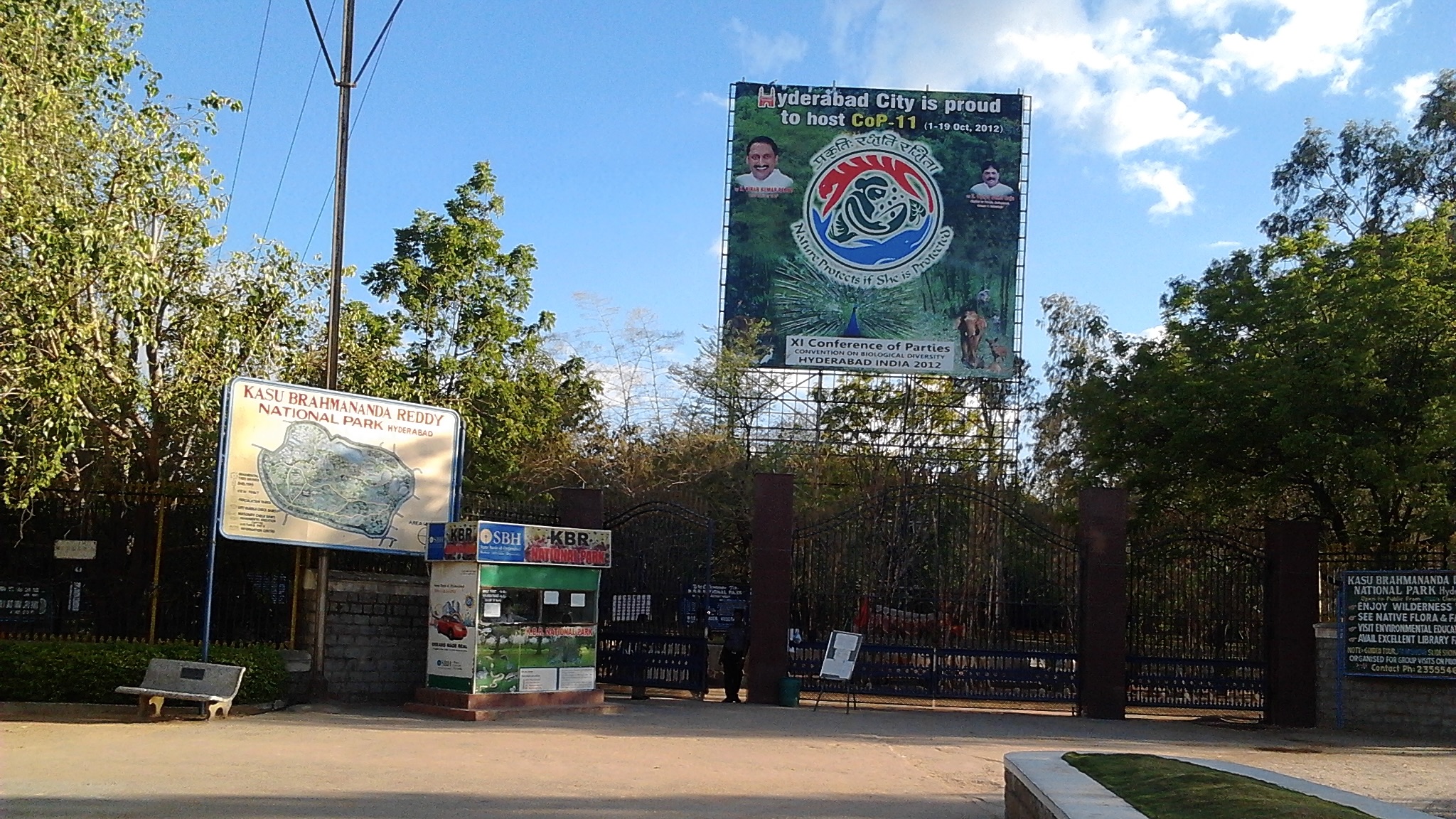
KBR National Park in Jubilee Hills, Hyderabad

Synopsis: The Supreme Court on Monday, stayed all tree felling within the eco-sensitive zone around Hyderabad’s KBR National Park. The order came amid growing protests against the State government’s ₹1,090-crore flyover and underpass project, which activists say has already led to the loss of nearly 2,000 trees. The petition before the court alleges that the eco-sensitive zone was reduced to avoid land acquisition costs.
The Supreme Court of India on Monday, 18 May, stayed all tree felling within the eco-sensitive zone (ESZ) around Kasu Brahmananda Reddy (KBR) National Park in Hyderabad, rebuking authorities overseeing a controversial ₹1,090-crore infrastructure project that has cut through one of the city’s most valued green corridors.
A bench of Justice BV Nagarathna and Justice Ujjal Bhuyan passed the interim order while hearing a petition filed by Kaajal Maheshwari, who challenged the Telangana High Court’s refusal to grant interim relief to stop the felling.
The petition challenges the reduction of the ESZ around KBR National Park from the originally proposed 25 to 35 metres to as little as 3 metres in some stretches.
The court ordered that no tree felling shall take place within 25 to 35 metres of the park boundary and listed the matter for further hearing on 27 July.
The apex court questioned why the buffer zone was reduced so sharply and issued notice to the respondents.
Also Read: Telangana treated one lakh cancer patients in five years; six in ten were women
The conflict centres on the H-CITI (Hyderabad City Innovative and Transformative Infrastructure) project, which plans to build seven steel flyovers and seven underpasses across major junctions around the park in Banjara Hills and Jubilee Hills.
The project was designed to ease chronic traffic congestion at six key junctions, including Jubilee Hills Check Post, Film Nagar and the Indo-American Cancer Hospital stretch on Road No. 10.
But the ecological cost has been severe. The original design required the felling or translocation of around 1,300 to 1,500 mature trees along the park’s outer walkway and surrounding medians.
The dispute escalated into a wider civic crisis in early 2026.
In February, the state government granted WALTA Act permissions for tree felling, clearing the way for contractors to move in heavy machinery.
By April, the Telangana High Court had declined to stay the work and instead asked petitioners to examine what activities were legally permissible within the buffer zone, drawing outrage from environmentalists and residents.
Also Read: TGSPDCL lineman held for Rs 35,000 bribe in Yadadri-Bhongir
On 26 April, hundreds of residents launched the formal #SaveKBR movement, forming human chains outside the park gates.
The crackdown followed in mid-May. Between 10 and 12 May, excavation machinery operated through the night to avoid daytime traffic disruptions, prompting round-the-clock citizen vigils.
At 3 am on 13 May, Banjara Hills Police detained five volunteer leaders in a late-night sweep, confiscated phones and filed FIRs against 10 to 15 activists for allegedly obstructing government work and intimidating contractors.
By 16 May, local reports said nearly 2,000 mature trees had been felled or severely cut at Jubilee Hills Check Post, Mugdha Junction and the Indo-American Cancer Hospital stretch.
At the centre of the petition is the allegation that the ESZ around KBR National Park was reduced not on scientific or ecological grounds, but to avoid land acquisition costs and accommodate road infrastructure.
The petitioner said more than 19,000 people signed a petition opposing the dilution, but their objections were not meaningfully addressed. The plea further alleged that the state falsely claimed a public hearing had taken place before the Ministry of Environment’s October 2020 notification fixed the ESZ at widths ranging from just 3 metres to 29.8 metres.
Eco-sensitive zones are legally meant to act as ecological “shock absorbers” that protect national parks from disruptive external activity. Critics say a 3-metre buffer around an urban forest is effectively no buffer at all.



