

Published Sep 10, 2026 | 2:24 PM ⚊ Updated Sep 10, 2026 | 2:24 PM

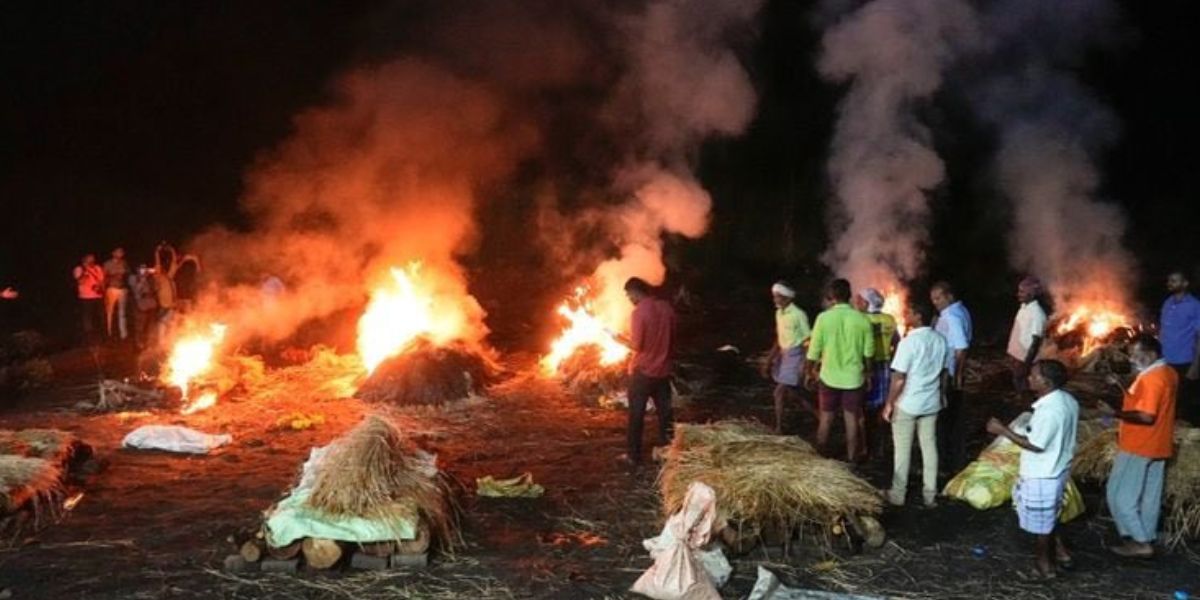
VIctims of Kallakurichi hooch tragedy being cremated (X)

Synopsis: The recommendations collectively seek to strengthen enforcement against illicit liquor, improve accountability among officials, regulate methanol more strictly, address socio-economic factors behind the illicit liquor trade and provide long-term rehabilitation support to families affected by the Kallakurichi tragedy.
The Justice Gokuldas Commission, constituted to inquire into the Kallakurichi illicit liquor tragedy, has recommended departmental action against officials serving in the affected areas between May 2023 and June 19, 2024, finding that lapses across multiple departments contributed to the circumstances surrounding the deaths.
The commission examined the causes and circumstances of the deaths in Karunapuram, Kallakurichi district, where several people died after allegedly consuming illicit liquor contaminated with methanol.
According to the commission’s findings, officials from the Prohibition and Excise Department, the Prohibition Enforcement Wing of the police, and the Revenue Department failed to discharge their duties effectively. The commission observed that the authorities had information about illicit liquor-related activities in the area but failed to take adequate preventive measures.
The commission recommended taking appropriate steps to initiate departmental inquiries under the relevant rules against officials who served in the affected jurisdictions from May 2023 to June 19, 2024.
Also Read: Village of widows: Women pay the price for Puducherry’s alcohol-dependent economy
The commission has identified lapses involving personnel attached to police stations in Kallakurichi, Sankarapuram and Kachirapalayam, as well as officials of the Prohibition Enforcement Wing in the Tirukovilur area.
The officials identified for responsibility include police personnel, Sub-Inspectors and other enforcement officials, along with Village Assistants, Village Administrative Officers, Revenue Inspectors and Tahsildars working in the concerned areas.
The commission has also attributed the movement of methanol, a potentially lethal chemical, from Chennai to Kallakurichi to failures in monitoring and inspection by authorities responsible for regulating its transportation and sale.
It has observed that inadequate coordination and enforcement by officials responsible for monitoring illicit liquor activities created conditions that allowed the illegal liquor trade to continue and contributed to the scale of the tragedy.
As part of its preventive recommendations, the commission proposed a series of administrative and policy measures to prevent similar tragedies in the future.
One key recommendation is creating a dedicated Prohibition Enforcement Wing for the Kalvarayan Hills, which the commission has identified as a major source and key location for illicit liquor production.
It also recommended increasing personnel strength in regular police stations and Prohibition Enforcement Wings to ensure effective enforcement of prohibition laws.
The commission has further recommended upgrading the Kariyalur police station and establishing another police station at Serapattu village in the Kalvarayan Hills region.
It has proposed dividing each police station’s jurisdiction into several sectors and appointing a responsible police officer, not below the rank of Head Constable, as a coordinating officer for matters relating to prohibition offences.
The commission has also recommended setting up industries in Kallakurichi district to provide employment opportunities to educated, skilled and unskilled youth.
The recommendation aims to address socio-economic factors that contribute to dependence on illicit liquor-related activities and create alternative livelihood opportunities in the district.
It further recommended amendments and additions to the relevant rules and regulations governing the use and handling of methanol, along with stricter penalties for violations.
It has called for necessary amendments to the Tamil Nadu Prohibition Act, 1937, and the framing of appropriate rules to strengthen enforcement.
The commission has also recommended examining cases involving lower-level officials who prima facie appear to have committed offences and initiating criminal proceedings where applicable under Section 11 of the Tamil Nadu Prohibition Act, 1937, or Section 239 of the Bharatiya Nyaya Sanhita, 2023.
Also Read: Telangana’s hidden alcohol crisis: Dead men, young widows
To ensure greater accountability and impartiality, the commission has recommended creating an independent, politically neutral, autonomous district-level committee.
The proposed committee would be headed by a retired District and Sessions Judge and include the District Collector or District Revenue Officer, the Superintendent of Police or Deputy Superintendent of Police, a Deputy Superintendent of Police from the Prohibition Enforcement Wing, and the Deputy Commissioner of Prohibition and Excise.
The committee is recommended to meet monthly to review prohibition-related violations, identify lapses, and recommend appropriate criminal or departmental action against officials, if necessary.
The commission has recommended amendments to the Tamil Nadu Prohibition Act to strengthen the financial consequences for those involved in violations.
It has proposed that fines imposed under the relevant provisions be placed in a special fund the government would create to rehabilitate families affected by the tragedy.
It also recommended provisions to confiscate illegally acquired assets of persons involved in violations of prohibition laws, with the proceeds from the sale of such assets deposited into the proposed rehabilitation fund.
Also Read: TN hooch tragedies: Greed, political patronage, poverty and exploitation make a deadly concoction
About rehabilitation, the commission has recommended a range of measures to support families who lost their breadwinners and survivors who suffered permanent disabilities.
For children who were orphaned after losing their parents, the commission has recommended priority arrangements in government welfare hostels covering education, food, accommodation and healthcare.
It has also recommended giving such children priority for suitable government employment after they complete their education, either by relaxing existing appointment rules where appropriate or by making special provisions.
The commission has recommended scholarships and employment assistance for eligible legal heirs of those who died in the tragedy, enabling them to pursue higher education and secure livelihoods.
For survivors who suffered permanent disabilities, it has recommended additional compensation of ₹2 lakh for those with partial permanent disability and ₹5 lakh for those with complete permanent disability.
The commission has also recommended expediting sanction of widow pensions for women who lost their husbands in the tragedy.
In addition, arrangements have been recommended for educational loans required by the children of those who died.
For eligible legal heirs and dependants of deceased victims, as well as survivors who recovered after treatment, the commission has proposed long-term, low-interest loans to help them start small businesses and establish sustainable livelihoods for themselves and their families.
The recommendations collectively seek to strengthen enforcement against illicit liquor, improve accountability among officials, regulate methanol more strictly, address socio-economic factors behind the illicit liquor trade and provide long-term rehabilitation support to families affected by the Kallakurichi tragedy.
Also Read: Illicit brew kills in Kallakurichi but lives on in ‘dry’ Tamil Nadu
(With inputs from Subash Chandra Bose)



