

Published Nov 03, 2026 | 4:27 PM ⚊ Updated Nov 03, 2026 | 4:27 PM

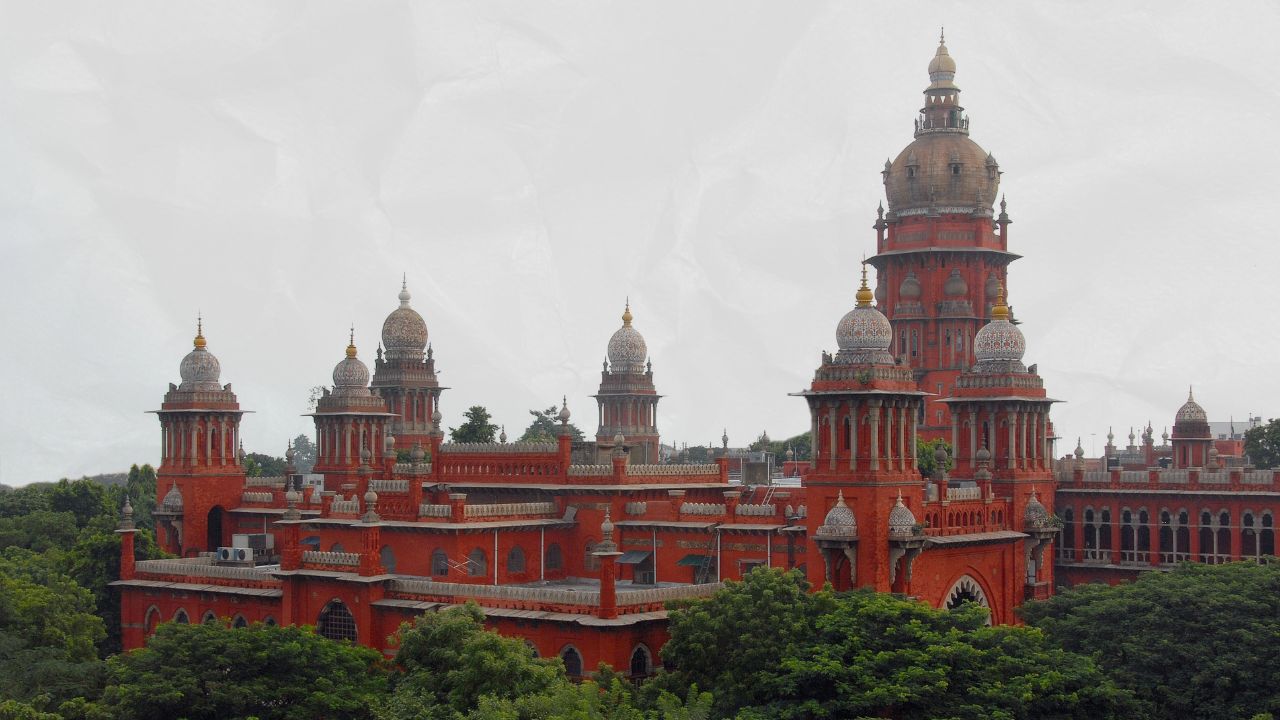
The Madras High Court.

The Madras High Court has emphasised that the police must function without discrimination between the ruling and Opposition parties, observing that the police are meant to serve the government and not political parties.
The court made the observations while granting conditional anticipatory bail to DMK councillor Sudha in a case registered against her for allegedly making defamatory remarks against Tamil Nadu Chief Minister C Joseph Vijay.
Sudha had approached the Madras High Court seeking anticipatory bail after the police registered a case based on a complaint alleging that she made controversial remarks about the Chief Minister while addressing a DMK women’s wing meeting held in Chennai on October 7.
Hearing the petition, Justice N Ramesh observed that the allegations against Sudha attracted a maximum punishment of three years. The judge also noted that she was a 60-year-old woman with no previous criminal cases.
The court pointed out that the evidence against her was available in video recordings and that the police had not sought her custodial interrogation. It also observed that there was no material to suggest that she would abscond or tamper with evidence.
Accordingly, the court granted her conditional anticipatory bail.
As conditions, Sudha was directed to surrender before the jurisdictional magistrate court within 15 days and obtain regular bail. She was also directed to appear before the Esplanade police station every day at 10.30 am and sign the attendance register until further orders.
Also Read: Citizens aren’t slaves, police aren’t servants of CM or PM, reminds Bombay HC’s Justice Jamdar
In its order, the court observed that people holding high constitutional and public offices must have the tolerance to face criticism and should not attempt to suppress it.
“If defamatory remarks are made against the Chief Minister, a defamation case should be filed. The police should not register a case,” the judge observed.
The court further noted that the allegations against Sudha were political statements and nothing beyond that. Even harsh political speech would attract penal consequences only if it incited violence, the court said.
Pointing out that the complaint had been lodged 12 days after the incident, the judge observed that there was no evidence of any violence during the intervening period.
The judge also highlighted the growing role of social media in political discourse in Tamil Nadu and across India, noting that every political party has an IT wing through which leaders and supporters of rival parties are routinely criticised and attacked.
Referring to the arrest of economist Kalaiyarasan, the judge observed that an apology from higher authorities did not amount to taking responsibility for the mistake committed. He further noted that the Chief Minister’s intervention did not, by itself, resolve what had happened to Kalaiyarasan.
The court also remarked that the police should not be judged merely by how they treat prominent individuals when the media are watching.
Instead, their conduct should be assessed based on how they treat ordinary people when nobody is watching, the judge observed.
Observing that complaints were received from all sides, the court referred to allegations that complaints lodged by members of the ruling party were acted upon immediately.
“Police must function without discrimination between the ruling party and the Opposition. The police must serve the government and not political parties,” the court said.
Those occupying high offices assume such responsibilities knowing that they may face criticism, ridicule and even defamatory remarks, the court said.
The judge further observed that criticism by a councillor would not diminish the stature of a person holding high office. However, taking action in the name of responding to such criticism could undermine that stature.
Also Read:
Of the people, by the people, for the people: How Tamil Nadu Police can regain its lost glory
(Edited by R Rajesh Kumar.)



