
Published Jun 12, 2026 | 12:21 PM ⚊ Updated Jun 12, 2026 | 12:21 PM

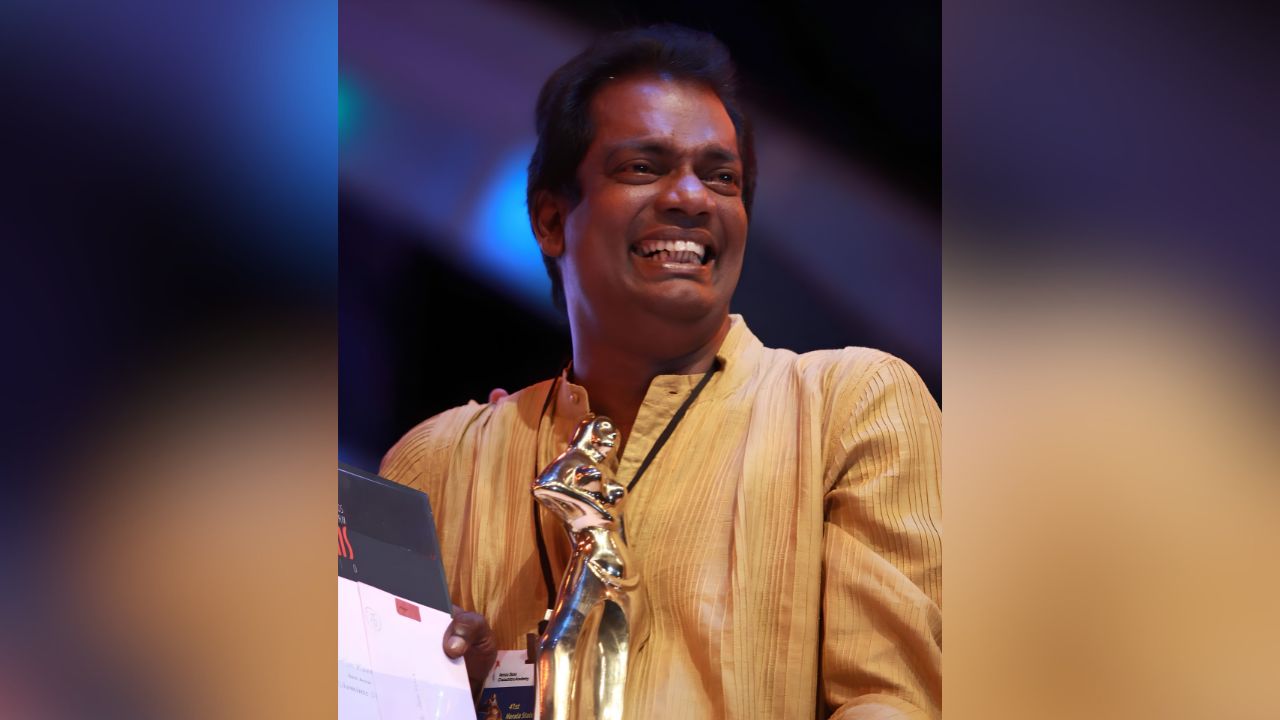
Salim Kumar.

Synopsis: Kerala takes pride in being India’s most literate state. That achievement deserves celebration. But literacy in the digital age requires more than reading and writing.
“Anto, we couldn’t even fix a frame.”
My friend Aloshy, a senior video journalist with News Malayalam 24×7, sounded exhausted when we spoke a day after actor Salim Kumar’s funeral. For someone who has spent years covering political rallies, celebrity events, protests and public gatherings, crowds are nothing new. Yet this assignment had left him unusually frustrated.
“The problem wasn’t other television channels,” he told me. “Everyone is a cameraperson today.”
The funeral of the popular Malayalam actor witnessed unusual scenes. Television visuals and social media clips showed large crowds of people carrying smartphones and cameras jostling for positions around the venue. Discussions intensified after members of the grieving family publicly appealed for space and dignity amid the overwhelming presence of cameras.
Over the last few days, much has been written about the scenes surrounding Salim Kumar’s funeral. The discussions have focused on celebrity culture, intrusive cameras and social media behaviour. But listening to Aloshy’s experiences from the ground, I felt the story was bigger than a funeral. It was about Kerala itself. Salim Kumar’s funeral became a mirror reflecting our changing digital culture.
Aloshy’s frustration was not directed at fellow journalists. Television crews have always worked in crowded environments. They know how to share space, negotiate positions and get their visuals. At the funeral, however, the crowd looked different.
According to him, hundreds of people carrying smartphones and cameras surrounded the funeral venue. Some were YouTubers. Some were content creators. Some were simply ordinary people wanting a closer look at celebrities. Everyone wanted footage. “We couldn’t even get a proper frame,” he said.
For a video journalist, a frame is everything. It is how stories are told. Yet professional journalists found themselves struggling to do their work because the visual space was constantly interrupted.
The irony is striking. At a time when technology has made image-making easier than ever, professional image-makers are finding it harder to work.
Also Read | Salim Kumar: The artist beyond the laughter
As Aloshy described the scene, another pattern became clear. People were not just attending the funeral. They were recording their attendance. Many seemed less interested in the funeral itself and more interested in capturing celebrities who arrived to pay their respects. Every arrival triggered movement. Phones went up. Cameras turned. People pushed forward.
This reflects a larger shift in digital culture. Presence alone is no longer enough. We increasingly feel the need to document our presence.
The smartphone has changed how we experience public life. We do not simply witness events. We record them, upload them and share them. Visibility has become a form of social currency.
In many ways, the funeral functioned as what sociologists would term a “visibility event”. People were not merely documenting a public occasion; they were documenting themselves within that occasion. Being present was no longer sufficient. Presence needed proof. The smartphone transformed attendance into content, and content into social value.
One particular observation from Aloshy caught my attention. He spoke about how difficult it became for officials to perform funeral rituals and ceremonial duties because of the crowd surrounding them. This was brought into stark relief when Salim Kumar’s eldest son, Chandu, asked those near him to back off and give the family the space to grieve.
According to Aloshy, even the police personnel found it difficult to perform the official honours. People kept moving into the available space in search of better visuals.
This is an important point. The issue is no longer that cameras are documenting events. In many cases, cameras are beginning to shape events. The act of recording starts affecting the very thing being recorded. The funeral is no longer simply being covered. It is being reorganised around the presence of cameras.
Perhaps the most important lesson from Salim Kumar’s funeral is that the traditional audience no longer exists. In the past, journalists produced content and audiences consumed it.
Today everyone can produce content. Everyone has a camera. Everyone has a platform. Everyone has the potential to become a broadcaster. This is one of the great democratic achievements of digital technology.
But it also creates new challenges. Technology has spread faster than media ethics. The ability to record has become universal. The ability to understand when not to record remains uneven. The challenge is developing a culture that balances technological freedom with social responsibility.
Kerala takes pride in being India’s most literate state. That achievement deserves celebration. But literacy in the digital age requires more than reading and writing. It requires an understanding of personal space, privacy, dignity and responsible media behaviour.
Dr KS Ragini, Assistant Professor in the Department of Media Studies at Thunchath Ezhuthachan Malayalam University, sees a troubling contradiction in the scenes witnessed at the funeral.
“We teach media law and media literacy in classrooms. We discuss privacy, ethics, personal space and professional responsibility. Yet what we witnessed reveals a paradox. There is a gap between what is taught and how people behave in real situations,” she observed.
According to her, the problem is not merely the presence of cameras. It is the normalisation of intrusion. Smartphones and social media have made media production accessible to everyone, but they have not necessarily cultivated respect for personal boundaries.
“Not every act of recording is justified. The absence of basic sensitivity towards grief and personal space cannot be accepted as normal,” she reminded.
What happened at Salim Kumar’s funeral will eventually be forgotten. Another public event will arrive. Another crowd will gather. More videos will be uploaded.
Listening to Aloshy, I realised that his frustration was not really about getting a frame. It was about witnessing a change in public behaviour. His experience reveals a society where the boundaries between journalist, audience, participant and content creator are increasingly blurred.
Kerala’s literacy movement taught generations how to read newspapers and books. The digital era demands another lesson: how to behave in a media-saturated world. The challenge before us is not technological. We have already mastered the camera. The challenge is whether we can develop the wisdom to know when not to use it.
As Aloshy had reminded me during our conversation, “Everyone is a cameraperson today.” Perhaps the more important question is whether we are equally prepared to be responsible participants in the media spaces we create.
Also Read: When Salim Kumar spoke of quacks, coconut concoctions and the cost of fear



