
Published Jun 20, 2026 | 6:37 PM ⚊ Updated Jun 20, 2026 | 6:37 PM

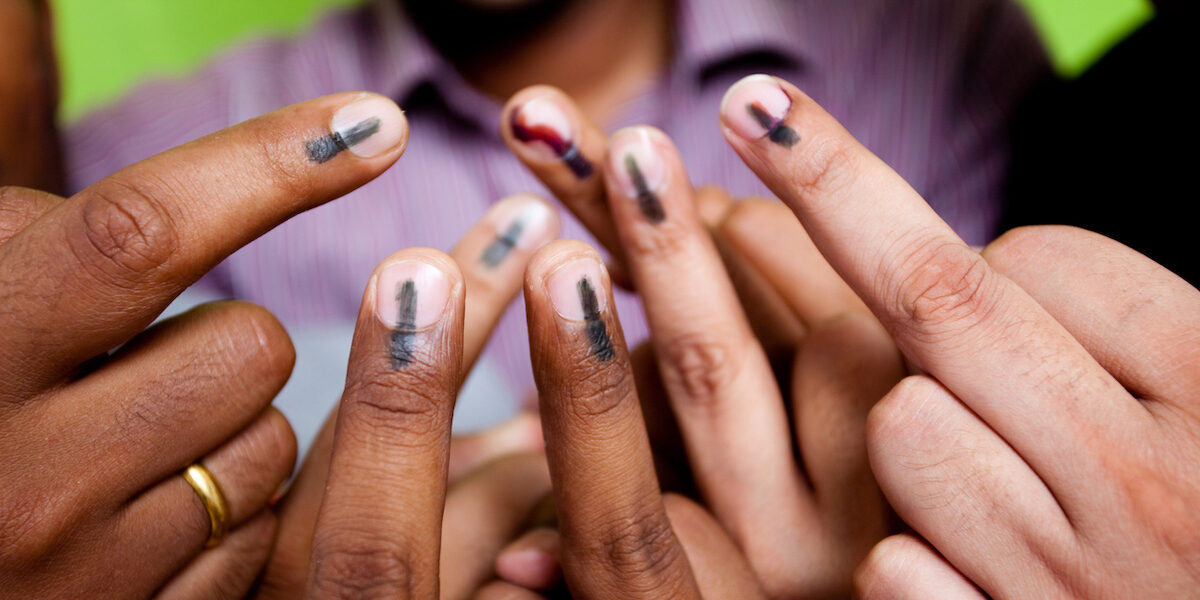
Old-school polling agencies, despite all their flaws, at least had a layer of scientific rigour. It's not so anymore... (File Photo)

Synopsis: Most opinion polls these days are little more than propaganda tools. Everything must be done to tame their excesses and make them return to their true purpose.
The other day, while scrolling through social media, I came across numerous survey agencies and self-styled pollsters projecting that their favoured groups would secure a resounding popular mandate if an emergency poll were called. This casual encounter was no isolated anomaly but a sign of the deeper sickness plaguing India’s democratic discourse.
Opinion polls, once seen as dispassionate mirrors of the public will, no longer reflect the authentic pulse of the people—they audaciously manufacture it.
What used to be serious exercises that aimed to gauge the public mood and expectations have transformed into partisan propaganda tools. This insidious metamorphosis reached a crescendo in the tense weeks following the recent five-state assembly polls across Assam, Kerala, Tamil Nadu, West Bengal, and Puducherry.
YouTubers and digital influencers, posing as impartial pollsters, have flooded platforms with meticulously orchestrated “surveys” that exalt their chosen parties as definite winners. This theatre of illusions, instead of enlightening democratic discourse, has morphed into a dazzling spectacle of made-up mandates and cunningly selective statistics.
This transformation is neither subtle nor spontaneous; it is a calculated strategy born of the digital age’s boundless liberties and lowered thresholds for authority. Traditional polling agencies, though imperfect with their methodological frailties and occasional lapses into bias, at least cloaked themselves in the veneer of scientific rigour and institutional accountability.
Today, however, the untamed frontiers of the internet have democratised deception itself. Anyone with a microphone, basic editing software and confidence can turn into an election expert. YouTube, that sprawling playground of unbridled expression, teems with channels boasting millions of devoted subscribers. These outlets unleash “exclusive ground reports,” supposedly scientific door-to-door interviews, and visually stunning predictions that perfectly mirror the political biases or money-making motives of the people who made them. Far from dispassionate analysis, these videos are elaborate choreographies of persuasion, engineered to build momentum for one side, demoralise opponents, and hijack the entire national conversation.
Also Read: Mamata Banerjee and the warning Bengal gives to would-be dictators across India
The aftermath of the five-state polls stands as a vivid example of this contagion.
In West Bengal, that permanent cauldron of political fire where the Trinamool Congress and the Bharatiya Janata Party clashed, a torrent of high-octane videos flooded the internet just hours after the first trends surfaced. One viral masterpiece, racking up lakhs of views in a whirlwind of shares, claimed to have exhaustive, booth-level intelligence and predicted a massive political swing, complete with colourful pie charts, soaring bar graphs, and dramatic, triumphant background music.
Similar floods swept through Tamil Nadu’s intricate mix of Dravidian legacies and new challengers, Kerala’s deep ideological divides, Assam’s complex regional dynamics, and Puducherry’s small but symbolically powerful arena. Underneath the glossy surface, many of these “surveys” relied on unverified rumours, selectively harvested interviews, hand-picked answers, or outright guesswork—yet their siren call spread far and wide, shaping online narratives with masterful skill.
The inner workings of this trend are simple but incredibly effective.
Biased YouTubers are driven by clear agendas. Some paint pictures of a rising nationalism wrapped in saffron shades of destiny, while others champion the virtues of regional strongholds or new opposition alliances, framing the contests as titanic struggles between the power of the people and the ruling elite. In this attention economy, virality is the ultimate king. Polarising statements feed the algorithms, keeping viewers hooked longer and swelling revenues through ads, subscriptions, and viewer sponsorships.
Even in the quiet off-seasons when no elections are happening, this formidable machine hums along. Hypothetical pre-poll projections for distant battles, by-elections, or imagined emergency scenarios keep the propaganda pipeline flowing, normalising preferred outcomes while burying opposing viewpoints. Social media platforms act as accelerators: trending hashtags cascade down like monsoons, viral clips spread like wildfire, and closed echo chambers turn digital illusions into collective reality.
The consequences pierce the very soul of democracy.
A relentless barrage of contradictory “data” creates deep cynicism among citizens. The humble farmer working the green fields of Assam or the urban professional navigating Kochi’s busy streets may soon dismiss legitimate inquiries alongside these fake fabrications. This breeds voter exhaustion or, worse, an unyielding, angry tribalism. Real democratic debate dies when the public mind is reduced to animated bar graphs and sensational thumbnails screaming for clicks.
The actual verdicts of the five states, regardless of what the final numbers turned out to be, were instantly twisted into massive national omens—moral triumphs were declared and impending political tidal waves foretold—often long before the official election results were even certified. This kind of retrospective rewriting of the narrative is just as powerful and dangerous as any pre-poll manipulation.
Critics rightly point out the erosion of faith in our institutions. While calling for government regulations on digital content raises the scary spectre of censorship and silenced speech, the unchecked spread of misinformation poses an equally grave danger.
The real solution lies in boosting media literacy: everyday citizens must learn to ruthlessly question sample sizes, hidden funding sources, and whether the raw data is actually available to look at. Traditional media houses must lead by example, keeping their polling methods completely transparent. Creative YouTubers could adopt voluntary codes of conduct to disclose their biases and limitations, though the brutal pressures of making money online make such restraint a rare virtue.
In short, these modern digital prophets have transformed surveys from tools of enlightenment into instruments of quiet coercion. Democracy thrives on informed consent, not the hollow cheers of a staged performance. The real-life struggles of the voters—job shortages, rising inflation, governance failures, and social tensions—cannot be reduced to partisan graphics or passing online trends. As the nation heads toward future elections, restoring honesty in how we measure public opinion is vital. Polls must listen to the lived realities of the masses rather than preach preordained wins.
The five-state verdict stands as a loud warning. In this massive flood of information, the line separating perception from fact is fraying dangerously. It is up to watchful citizens to take back control. True political mandates do not come together in the temporary glow of a viral video or a trending prediction; they are cast at the voting booth. Only when surveys become honest again can Indian democracy move past empty pageantry and truly serve its people with real substance.
Also Read:
Aaya Rams, Gaya Rams and how splitting parties has turned into a legitimate power play
Why Telangana has reasons to fear the likely “super” El Niño



