

Published Oct 26, 2026 | 1:13 PM ⚊ Updated Oct 26, 2026 | 1:13 PM

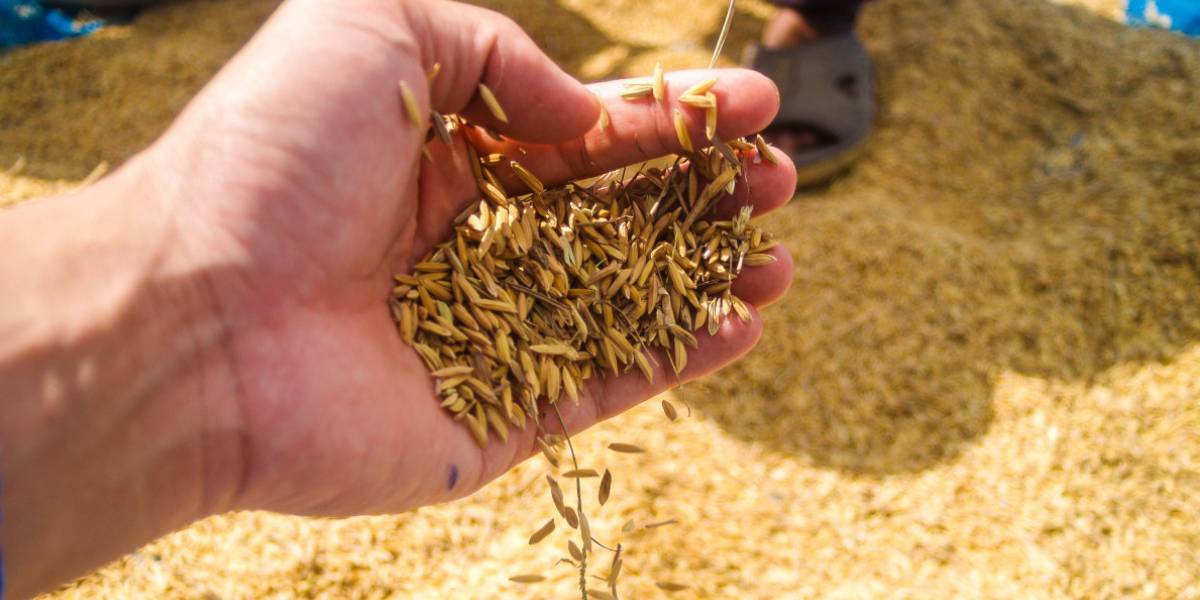
During the 2025–26 kharif marketing season, the state procured a record 70.82 lakh tonnes of paddy, benefiting approximately 13.97 lakh farmers.

Synopsis: The spiralling prices of rice in Telangana’s retail markets deserve immediate government attention. Rice is a daily necessity for millions of households, and sustained price increases disproportionately affect low- and middle-income families. Even when subsidised grain reaches eligible beneficiaries, families purchasing additional quantities from the open market remain exposed to rising prices. The government should undertake district-wise monitoring of wholesale and retail prices, compare them with previous months and investigate sharp or unexplained increases.
A food crisis need not begin with a failed monsoon, declining harvests or empty granaries. It can begin in the marketplace when traders anticipate a shortage, withhold supplies and push prices upwards long before any actual deficit emerges. Telangana must guard against such a possibility in its rice and paddy markets. With substantial government stocks and further supplies expected, the immediate priority should be to prevent speculative trading from turning apprehensions about future production into an avoidable burden on consumers.
The available figures offer an important starting point. Telangana requires approximately 2.38 lakh metric tonnes of rice every month, or 28.56 lakh tonnes annually, to meet the combined requirements of the Public Distribution System (PDS), welfare programmes and the State Pool. These requirements include supplies for eligible households and institutions, making uninterrupted procurement, milling and distribution essential to the state’s food security.
As of 16 October, the Civil Supplies Department reportedly held 9.64 lakh tonnes of rice in buffer godowns. Of this, 3.50 lakh tonnes belonged to the Central Pool and other welfare schemes, while 6.14 lakh tonnes were available under the State Pool. Another 18.39 lakh tonnes was expected through pending custom-milled rice deliveries and other identified supplies. Together, existing stocks and anticipated receipts amounted to an estimated 28.03 lakh tonnes, considered sufficient to meet requirements until September 2027.
These figures require careful interpretation. The entire quantity is not physically available in godowns today; a substantial portion depends on pending deliveries. Nevertheless, the projected availability offers a considerable cushion against immediate supply pressures. The government must ensure that millers deliver outstanding quantities on schedule, verify physical stocks and prevent administrative delays from creating avoidable disruptions.
The spiralling prices of rice in retail markets deserve immediate government attention. Rice is a daily necessity for millions of households, and sustained price increases disproportionately affect low- and middle-income families. Even when subsidised grain reaches eligible beneficiaries, families purchasing additional quantities from the open market remain exposed to rising prices. The government should undertake district-wise monitoring of wholesale and retail prices, compare them with previous months and investigate sharp or unexplained increases. Authorities must establish whether these reflect genuine supply constraints, higher milling and transportation costs, seasonal demand or deliberate withholding of stocks. Adequate public reserves must translate into affordable market supplies rather than remain figures on official balance sheets.
Telangana’s agricultural performance provides further context. During the 2025–26 kharif marketing season, the state procured a record 70.82 lakh tonnes of paddy, benefiting approximately 13.97 lakh farmers. This demonstrates the scale of its procurement machinery and the importance of ensuring that grain purchased with public money is efficiently milled, stored and distributed. Delays in custom milling or the movement of rice from mills to government godowns can create temporary bottlenecks even when paddy production is substantial.
For the 2026–27 kharif season, the government estimated paddy production at 119.57 lakh tonnes across 57.70 lakh acres and planned to procure 65 lakh tonnes. These remain estimates and procurement targets, not outcomes. Actual production will depend on rainfall, irrigation availability, crop health and harvesting conditions. The next monsoon may influence future yields, but uncertainty about its performance should not become an excuse for present-day price escalation.
The possibility of artificial scarcity must therefore be examined without prematurely attributing every price increase to traders. Wholesalers and retailers are entitled to legitimate commercial returns, and prices naturally respond to costs and demand. However, deliberate stock withholding, coordinated manipulation, false scarcity claims and unlawful hoarding are entirely different matters. The government should investigate unusual stock accumulation, discrepancies between declared inventories and market arrivals, and unexplained price differences across districts. Enforcement must be evidence-based, impartial and firm.
Also Read: Beyond welfare: Telangana must prepare for the El Niño threat
Telangana already has an extensive paddy procurement network. The challenge is to connect procurement, milling, warehousing and distribution through effective monitoring. Civil Supplies officials, district administrations, market committees and enforcement agencies should share information on stocks and movements. Where applicable regulations require stock declarations, compliance must be checked regularly. If local shortages arise despite adequate statewide availability, authorities should facilitate grain movement from surplus areas and ensure fair-price shops receive their allocations without interruption.
Transparency can also help calm the market. Regular public bulletins detailing government stocks, pending mill deliveries, procurement arrivals, and prevailing wholesale and retail prices would help consumers distinguish genuine supply problems from rumours. The government should consider releasing available rice stocks through appropriate channels if a verified shortage or abnormal price surge warrants intervention. Such measures must be carefully calibrated to protect subsidised distribution and avoid undermining farmers’ interests.
Longer-term preparedness is equally important. Efficient irrigation, judicious water use, appropriate crop planning and contingency measures can reduce the risks associated with erratic rainfall. Timely procurement payments, adequate storage capacity and faster custom milling would protect farmers from distress and prevent grain from becoming trapped in logistical bottlenecks.
Rice is both Telangana’s staple food and a pillar of its rural economy. Farmers deserve remunerative prices, traders are entitled to legitimate profits, and consumers must not be forced to pay for manufactured scarcity. With substantial stocks already available and further supplies expected, the government must act before market anxiety becomes a genuine crisis.
A real shortage demands preparedness; an artificial shortage demands accountability. Telangana must ensure that fear of tomorrow does not become an opportunity for profiteering today. Food security is meaningful only when adequate supplies are matched by accessible prices for ordinary households.
Also Read:
Telangana’s looming water crisis: Responsibility and response
(Edited by Dese Gowda)



