
Published Jul 15, 2026 | 9:00 AM ⚊ Updated Jul 15, 2026 | 9:00 AM

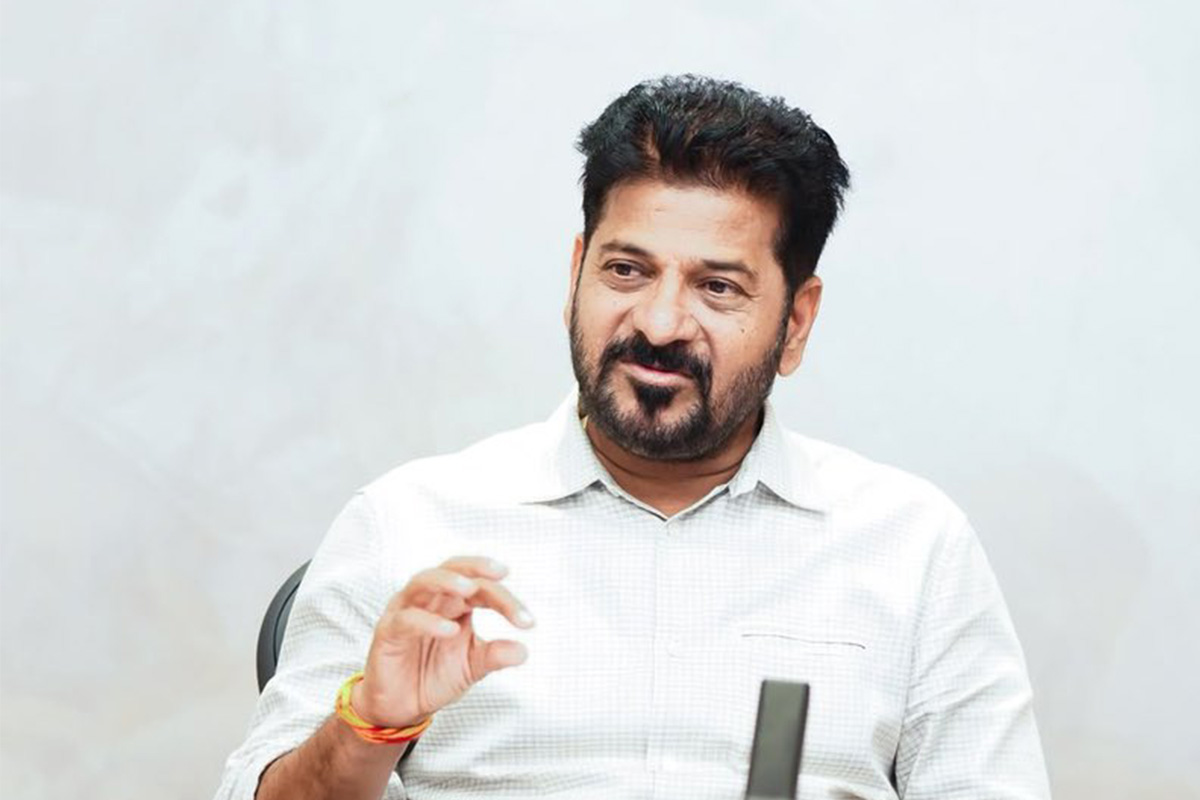
Telangana Chief Minister Revanth Reddy.

Synopsis: Revanth Reddy’s combative act is not mere theatrics. It is aimed at pinning both the opposition and opponents within the Congress down and exuding authority. But such a combative posture also carries inherent risks…
Politics is as much about perception as it is about performance. Governments derive legitimacy from governance, but they sustain political dominance by shaping the public narrative.
Telangana Chief Minister Anumula Revanth Reddy appears to have embraced this reality with remarkable conviction. Sharp rhetoric, swift administrative interventions and an unrelenting political posture have defined his tenure. While this approach has helped him dominate public discourse and keep the Opposition on the defensive, it also prompts a pertinent question: is his aggressive style aimed solely at weakening the Bharat Rashtra Samithi (BRS) and the Bharatiya Janata Party (BJP), or does it also serve to discourage dissent within the Congress?
More than two years after the Congress returned to power, Telangana remains politically fluid. The BRS continues to command a sizeable support base despite its electoral setback, while the BJP is steadily expanding its organisational footprint. At the same time, the Congress government must fulfil ambitious welfare promises amid fiscal constraints and rising public expectations.
Against this backdrop, Revanth Reddy has made confrontation a central feature of his politics.
Also Read: Revanth Reddy unruffled as the Telangana Congress kettle threatens to boil over
His speeches are rarely defensive. Whether countering the BJP’s criticism or attacking the BRS over its decade-long rule, he consistently projects confidence and decisiveness. His recent response to BJP president Nitin Nabin’s remarks on Telangana politics reflected this approach. Instead of merely rebutting the BJP, the Chief Minister asserted that the Congress alone possesses the mandate to shape the State’s political future.
Such rhetoric is not merely about political theatre. In an era dominated by television debates, social media and round-the-clock news cycles, controlling the narrative often becomes as important as governing itself. By remaining constantly on the offensive, Reddy compels his rivals to react to his agenda rather than define one of their own.
The government’s administrative actions reinforce this image. The HYDRAA anti-encroachment campaign against illegal structures on lakes and public lands has projected an administration willing to take difficult decisions. Supporters see it as a determined effort to reclaim public resources and protect the environment. Critics, however, question the consistency of implementation and allege selective enforcement. Regardless of these competing perceptions, the campaign has strengthened the image of a Chief Minister who values decisiveness over hesitation.
The Congress government has simultaneously sought to establish its credibility through welfare measures.
Free bus travel for women, expansion of Arogyasri health coverage, crop loan waivers and other guarantees under the Praja Palana programme have sought to demonstrate that electoral promises are being translated into policy. Long-term initiatives such as the Musi River rejuvenation project and urban infrastructure reforms also indicate an effort to combine welfare with development.
Yet governance alone does not fully explain the Chief Minister’s political assertiveness.
The Telangana Congress has historically been characterised by multiple power centres. Electoral success has not erased factional ambitions or competing leadership aspirations. District-level disagreements and periodic speculation about internal alignments continue to surface. In such circumstances, projecting a strong and centralised leadership assumes strategic importance.
Chief Minister Revanth Reddy’s rhetoric therefore serves a dual purpose. Externally, it seeks to deny the Opposition political momentum. Internally, it signals that authority within the government and the party is firmly vested in the Chief Minister. Political communication thus becomes an instrument of organisational discipline as much as electoral strategy.
His own political journey perhaps explains this instinct. Having navigated different political formations before emerging as the Congress’s principal leader in Telangana, he understands the dynamics of power, factionalism and political survival. His participation in the Harvard Kennedy School’s executive programme on leadership earlier this year reflects an interest in navigating conflict and institutional change, themes that resonate with his governing style.
However, confrontation carries inherent risks. A political culture driven by perpetual conflict can gradually narrow the space for constructive debate and bipartisan cooperation. Democracies thrive not merely through decisive leadership but through institutions that encourage criticism, accommodate dissent and preserve mutual respect among political rivals. Excessive aggression may energise party workers, but it can also deepen political polarisation and create the perception that disagreement is unwelcome.
More importantly, rhetoric cannot indefinitely substitute for governance. Telangana’s electorate will ultimately assess the government on employment generation, agricultural growth, industrial investment, fiscal management, urban infrastructure and the quality of public services. Political messaging may influence the news cycle, but electoral verdicts are shaped by everyday governance.
Revanth Reddy has undoubtedly emerged as Telangana’s most dominant political voice. His assertive style has energised the Congress, unsettled the Opposition and reinforced his authority within the party. Whether this strategy delivers lasting political dividends, however, will depend on his ability to convert political confidence into administrative credibility.
History offers a simple lesson. Strong rhetoric may command headlines and unsettle opponents, but enduring political legitimacy rests on effective governance.
For the Telangana Chief Minister, the real test is not whether he can dominate the political conversation, but whether his government can deliver outcomes that justify the confidence with which he speaks. Only then will confrontation be remembered as an instrument of leadership rather than merely a style of politics.
Also Read: Who rules Telangana? Is it the Sangh Parivar?
(Edited by R Rajesh Kumar.)



