
Published Oct 30, 2026 | 6:11 PM ⚊ Updated Oct 30, 2026 | 6:11 PM

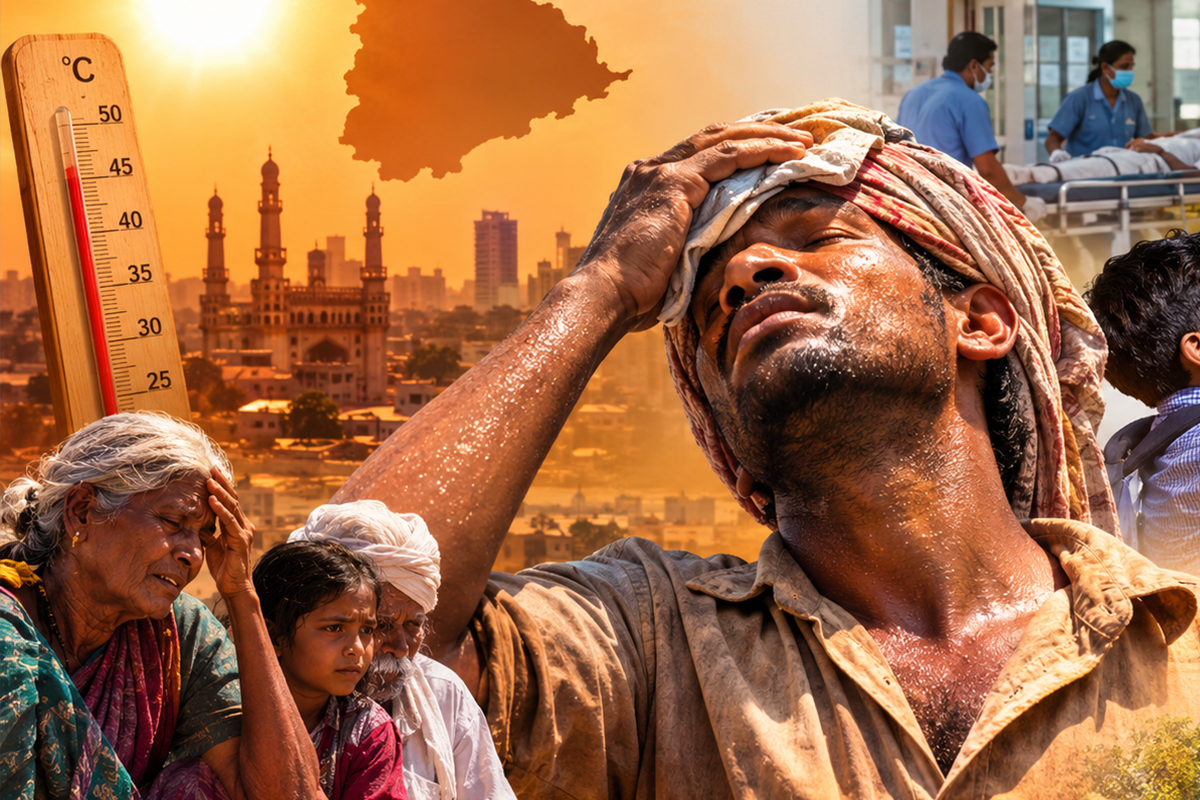
Image used for representation purpose. (AI generated image)

Will Telangana wait for the first heatwave deaths before it wakes up? Will its hospitals be ready when heatstroke cases surge? Can the government ensure drinking water, uninterrupted power and shaded places for people forced to work under a scorching sun? And, when the heat becomes deadly, will the State have anything more than advisories and official assurances to offer?
These are not alarmist questions. They are questions of public preparedness at a time when El Niño could intensify an already warming climate. Telangana cannot afford to treat the approaching heat as just another seasonal inconvenience. The real issue is not whether temperatures will rise, but whether the State is prepared to prevent that rise from turning into a public-health crisis.
El Niño is a natural climate phenomenon caused by abnormal warming of surface waters in the central and eastern equatorial Pacific. It can alter rainfall and temperature patterns across the world. In India, it has often been associated with a weaker southwest monsoon, although it does not automatically mean drought. Other oceanic and atmospheric conditions also influence the monsoon. Treating every forecast as a certainty would be premature. But ignoring the warning signs would be irresponsible.
The larger concern is the combination of El Niño and long-term global warming. A hotter baseline can push seasonal temperature variations into dangerous territory. For outdoor workers, older people, children, those with chronic illnesses and families living in poorly ventilated homes, extreme heat can become a threat to life.
A global heat-mortality tracker projects a substantial additional burden of heat-related deaths between June 2026 and March 2027. Its estimate of around 857,000 additional deaths worldwide, including 373,000 during October 2026–March 2027, is a model-based projection, not a count of deaths already recorded.
The estimate for India during the October–March period is around 55,000. These figures are warnings about potential risks if exposure and inadequate protection converge. They are not inevitable outcomes and must be understood in the context of uncertainties inherent in modelling.
For Telangana, the warning deserves particular attention.
The State heatwave action plan identifies 590 of the State’s 612 mandals as vulnerable and refers to 1,091 automated weather stations. These are useful foundations, but weather stations and official plans alone do not establish preparedness. The real test is whether alerts reach construction workers, primary health centres can treat heatstroke promptly, and drinking water and shaded rest spaces are available where people need them most.
There is also a troubling discrepancy in the recording of heat-related deaths.
National Crime Records Bureau figures for 2024 indicate 116 heatstroke or sunstroke deaths in Telangana, while the State’s heatwave action plan cites 10. Different definitions and verification procedures may explain the gap, but it cannot remain unexplained. Without reliable and standardised public data, authorities cannot identify high-risk areas, assess interventions or be held accountable.
Hyderabad illustrates another dimension of the challenge.
Concrete structures, roads, traffic, construction and the loss of trees and water bodies intensify the urban heat-island effect. Temperatures can remain high even after sunset, denying residents much-needed relief.
In districts such as Nalgonda, Suryapet, Khammam, Mancherial and Peddapalli, prolonged heat places agricultural and construction workers under severe stress. The burden is unequal: people with air-conditioned rooms can escape peak temperatures, while daily-wage earners often cannot afford to stop working.
Every district should map vulnerable villages, urban wards and occupations, linking weather forecasts to local action. Primary health centres and hospitals need trained staff, medicines, cooling facilities and clear referral protocols.
Employers must provide drinking water, shade, rest breaks and adjusted working hours. Schools, anganwadis and residential care facilities need specific plans to protect children and older people. Municipal bodies must maintain public water points and identify accessible cooling shelters.
The State must also prepare for increased pressure on electricity and water supplies. Power utilities should anticipate peak demand and minimise avoidable outages. Water departments need contingency arrangements for shortage-prone settlements. Protecting lakes, restoring green spaces, increasing tree cover and adopting heat-sensitive building practices are essential public-health investments, not cosmetic measures.
Heat alerts should be graded according to severity and communicated in Telugu and other locally used languages through mobile phones, local bodies, radio and community networks. Officials must identify people living alone, homeless residents and settlements with limited water access before temperatures peak. District collectors should coordinate health, labour, municipal, electricity and water departments, and publish the measures taken after every severe heat episode.
Telangana also needs transparent recording of heat-related illnesses and deaths, using common definitions and timely district-wise disclosure. Such data should guide preventive action rather than serve administrative convenience.
No government can switch off El Niño. But foresight, coordination and accountability can reduce its human cost.
Telangana’s preparedness will not be measured by the number of meetings, weather stations or advisories issued. It will be measured by whether the most exposed citizen can find water, shade and timely medical help when temperatures become dangerous. The heat may be beyond the State’s control; preventable suffering is not.
Also Read:
Telangana’s looming water crisis: Responsibility and response
Prepare before we panic: Every dam in Telangana needs a water protocol
(Edited by R Rajesh Kumar.)



