

Published Jul 04, 2026 | 7:10 AM ⚊ Updated Jul 04, 2026 | 7:10 AM

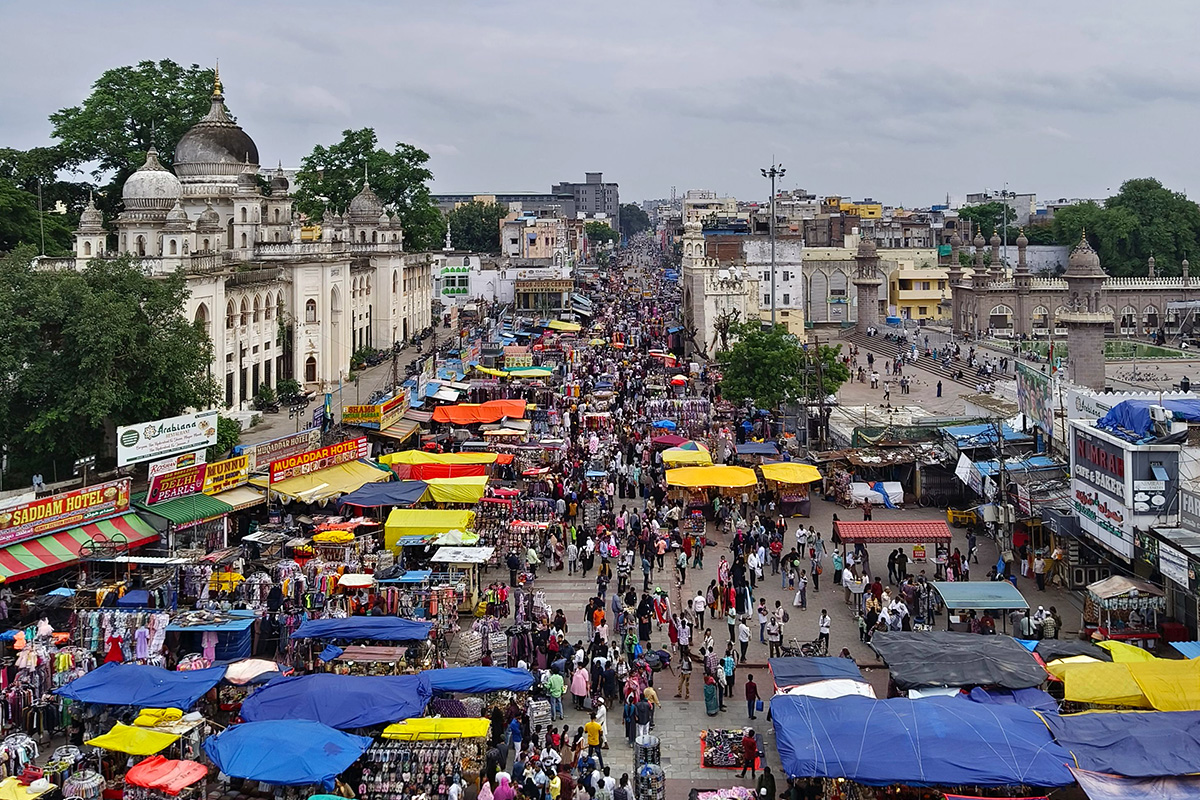
Seemandhra-settled leaders in Hyderabad offer insights into the post-bifurcation compact.

Synopsis: Over a decade since the bifurcation of Andhra Pradesh in 2014, leaders from coastal Andhra and Rayalaseema who are settled in Hyderabad face a pressing dilemma: do they vote from the city where they live, or from where their political and ancestral roots lie?
For leaders from the coastal Andhra and Rayalaseema regions who have long settled in the Telangana capital, their decision to either continue voting in Hyderabad or restrict their electoral participation to their native places in Seemandhra has become a revealing litmus test. More than a decade after the 2014 bifurcation of Andhra Pradesh, this choice encapsulates tensions around identity, integration, political loyalty, and practical governance in two linguistically linked but administratively separate states.
Hyderabad, once the unified capital, continues to host a substantial population of professionals, business figures, and political actors with Seemandhra origins. Many maintain residences, offices, and family roots in the city while retaining deep connections to their districts of birth.
In India’s electoral framework, many voters usually register based on their place of residence. For leaders whose primary professional and personal lives are anchored in Hyderabad, exercising the franchise locally aligns with legal provisions and reflects everyday realities. It allows them to participate in decisions on municipal issues, urban infrastructure, education, and law and order that shape their lived experience. Yet, for some, shifting or maintaining registration in native Seemandhra constituencies signals continued commitment to regional aspirations, family obligations, and accountability to original support bases.
This binary is not merely administrative. It functions as a public barometer of how these leaders perceive their role post-bifurcation. Continuing to vote in Hyderabad can be interpreted as an acceptance of Telangana’s political ecosystem and an acknowledgement that the city’s growth benefits from diverse contributions. It counters narratives of transient “settler” presence and supports the idea of harmonious coexistence. Leaders who have built careers here—spanning business, film, or advocacy—often argue that their vote should mirror their investment in the city’s future. Participation in local elections reinforces stakeholdership, helping bridge divides that the statehood movement once exacerbated.
Restricting votes to native places, by contrast, underscores enduring ties to Seemandhra’s developmental priorities. Many such leaders retain landholdings, organisational networks, or political ambitions in districts such as Guntur, East Godavari, or Kadapa. Voting there enables direct influence on Andhra-specific matters, including capital city projects, irrigation, industry, and welfare schemes tailored to the residual state. Critics of sustained Hyderabad voting sometimes view it as deriving economic advantages from Telangana while shaping Andhra politics remotely, raising questions of consistency. Supporters counter that such leaders provide valuable cross-state linkages, advocacy, and investment flows beneficial to both regions.
Also Read: Two incidents and how they raise serious questions about Telangana government and police
The debate draws from the complex history of bifurcation.
The Andhra Pradesh Reorganisation Act in 2014 provided for a 10-year common capital arrangement, during which anxieties ran high over security, property rights, and cultural dominance. Assurances were extended to Seemandhra communities in Hyderabad to prevent disruption. Electoral data from subsequent polls highlighted the influence of settler votes in key urban constituencies. Parties across the spectrum, including TDP, Congress, BRS (formerly TRS), and others, have navigated these demographics carefully, balancing regional sentiments with pragmatic outreach. Objectively, neither choice invalidates the other.
Voting patterns reflect individual circumstances—duration of settlement, nature of livelihood, family distribution, and political strategy. A leader deeply embedded in Hyderabad’s IT or educational sectors may naturally align their vote with their residence, contributing to inclusive governance. Another with strong grassroots machinery in Seemandhra may prioritise native registration to maintain representational legitimacy there. Both approaches are permissible under electoral rules and mirror India’s broader experience with migration, where millions vote away from birthplaces due to employment or marriage without diminishing citizenship rights.
Yet the litmus test carries political weight. In an era of fluid alliances involving TDP, YSRCP, Jana Sena, and national parties, these decisions influence perceptions of commitment. Continued Hyderabad voting might signal progressive integration and rejection of parochial divides, strengthening arguments for cooperative federalism between neighbouring states.
Conversely, a shift toward native places could reassure Seemandhra electorates of an unwavering focus on their challenges, particularly amid ongoing development projects and competitive politics. Public scrutiny intensifies during elections, where opponents may weaponise registration details to question authenticity or opportunism.
Broader ramifications touch on democratic principles and social cohesion. Rigid emphasis on nativity risks discouraging talent mobility and urban cosmopolitanism, essential for Hyderabad’s status as a growth engine. Overlooking regional emotional attachments, however, can fuel resentment and hinder reconciliation.
Successful navigation requires transparency: clear communication of voting rationale, consistent engagement across regions, and policies that address shared concerns like water sharing, education, and cultural exchanges. Leaders who demonstrate accountability—whether through Hyderabad or native votes—can model maturity.
As Telangana consolidates its identity and Andhra Pradesh advances its vision, the voting choices of Seemandhra-settled leaders in Hyderabad offer insights into the post-bifurcation compact. They test whether economic interdependence can coexist with political distinctiveness.
The million-dollar question ultimately probes deeper: can these figures embody dual belonging without contradiction? Their ballots, cast in one place or the other, will continue to inform public discourse on unity, representation, and the evolving Telugu political landscape. In a democracy, such personal decisions aggregate into collective signals about integration’s success or persistent fault lines. Observers across both states will watch closely, seeking evidence of statesmanship over sectionalism.
Also Read | The silent test of Telangana’s democracy: How villages and cities are handling SIR
(Edited by R Rajesh Kumar.)



