
Published May 23, 2026 | 7:05 AM ⚊ Updated May 23, 2026 | 7:05 AM

The account was blocked on 21 May.

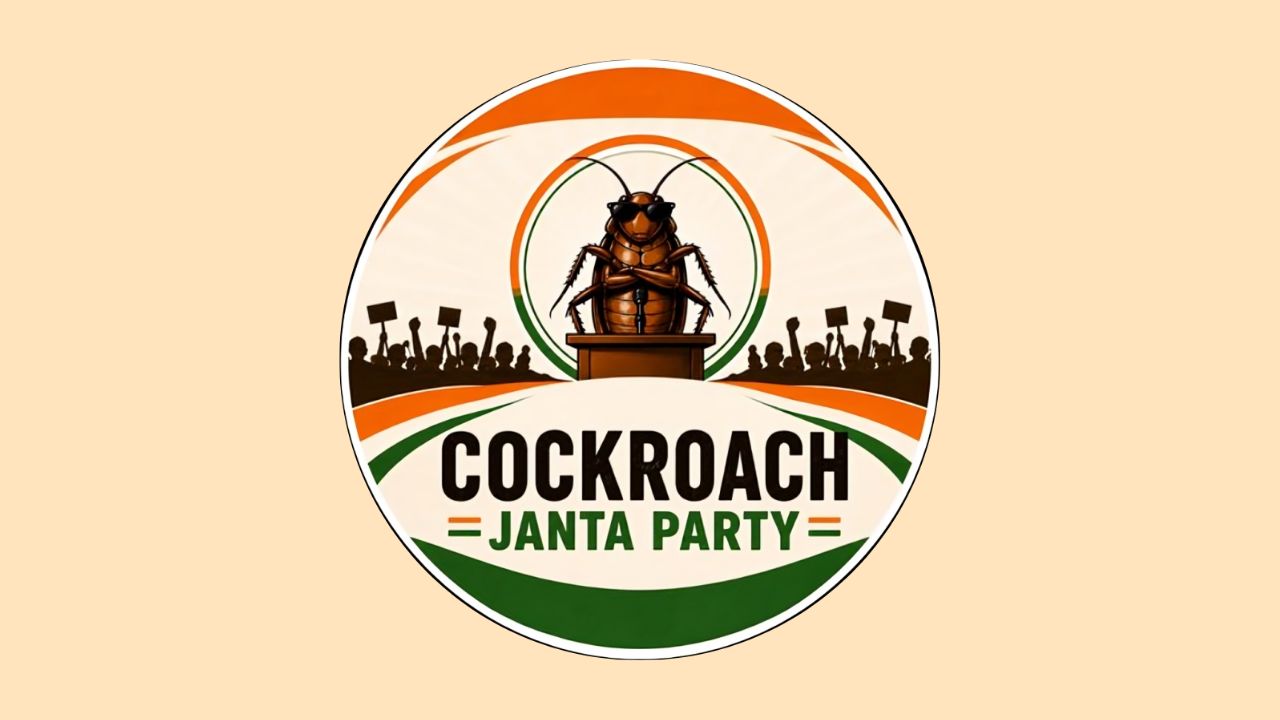
Synopsis: With the world’s largest youth population, most young Indians live on their phones through Instagram, YouTube, X and similar platforms. The revolt ignited when a senior judge labelled some activists “cockroaches”. Rather than retreat, Gen Z turned the insult into a badge of defiance. Through biting memes, short videos, hashtags and playful accounts such as the mock “Cockroach Janta Party”, they challenge authority, spotlight failures in jobs, education and fairness, and demand accountability.
The revolt has started. Now is the time for the new generation to secure a truly free press that keeps India’s democracy alive and healthy for decades to come.
India has fallen to 157th place out of 180 countries in the World Press Freedom Index by Reporters Without Borders in 2026. This six-place drop from the previous year reveals serious cracks in one of the world’s largest democracies.
Norway, by contrast, remains at the top with scores above 92 out of 100. Its journalists benefit from strong safety nets, diverse ownership, public funding that never dictates content, and a national culture that celebrates open debate.
The contrast is stark, yet India’s Gen Z ‘Cockroach Revolt’ on social media offers real hope. This digital surge by young people could help close the wide gap in press freedom in the years ahead and gradually shape a more open society in the Norwegian spirit.
The challenges in India run deep. Reporters routinely face threats, physical attacks and heavy pressure from politicians and a handful of powerful media owners. Ownership is dangerously concentrated, laws on defamation and online speech are weaponised against critics, and self-censorship has become common as public trust in mainstream media erodes.
These weaknesses damage democracy itself: when citizens lack full and fair information, accountability fades and unchecked power grows.
Also Read: The ‘winter crow’ and the ‘pookie CM’: A metamorphosis in Kerala’s political aesthetic
Norway demonstrates that a healthier model is achievable. Its long-standing success rests on firm constitutional safeguards for free expression, transparent ownership rules that prevent monopolies, and public support for independent journalism without editorial interference.
Norwegian society views sharp criticism and open debate as essential to national strength. Journalists operate with dignity and safety, while citizens willingly fund quality news through taxes and subscriptions. This thoughtful blend of private initiative and public backing produces diverse, trustworthy media.
India’s vast scale and diversity mean it cannot simply copy Norway. Still, the core principles apply. Stronger laws must shield journalists from violence. Public broadcasters need genuine independence from government control.
Policies should promote a wider range of owners rather than allowing a few to dominate. Greater transparency in funding and ownership would restore trust. Most importantly, India needs a culture that welcomes tough questions instead of punishing them. Achieving this will demand sustained commitment from leaders, courts and citizens alike.
This is where the Gen Z ‘Cockroach Revolt’ becomes truly significant and raises the question of whether Norwegian-style freedom is beginning to take root. With the world’s largest youth population, most young Indians live on their phones through Instagram, YouTube, X and similar platforms. The revolt ignited when a senior judge labelled some activists “cockroaches”.
Rather than retreat, Gen Z turned the insult into a badge of defiance. Through biting memes, short videos, hashtags and playful accounts such as the mock “Cockroach Janta Party”, they challenge authority, spotlight failures in jobs, education and fairness, and demand accountability. Leaderless, swift and nationwide, this movement bypasses traditional gatekeepers.
Young Indians now tell their own stories in real time, spread facts rapidly and build unity across regions. Similar digital youth uprisings elsewhere have driven meaningful change by exposing injustice and forcing leaders to respond. In India, the revolt signals that the new generation will no longer remain silent.
Its humour and speed are driving vital conversations on unemployment, exam leaks and systemic failures. This raw energy can fuel the reforms needed for stronger press freedom and plant the seeds of a more transparent society.
Also Read: Iyothee Thass and the intellectual roots of Dalit assertion in Tamil Nadu
Social media, however, has clear limits and cannot alone replace a robust free press. Platforms overflow with misinformation, algorithms reward outrage over nuance, and access can be restricted during crises. Viral moments disappear without strong institutions to sustain them.
Traditional journalism still delivers verified facts, deep investigations and balanced reporting that brief videos often lack. Real progress lies in blending the two.
Gen Z is ideally placed to lead this fusion. Their sheer numbers and digital fluency can drive reforms inspired by Norway’s example. Young Indians should demand better legal protection for journalists, support credible independent creators and citizen reporters, and pressure political parties to treat press freedom as a core election issue.
By connecting online voices with on-the-ground reporting, they can build a powerful hybrid force: rapid reach combined with careful verification. In doing so, the ‘Cockroach Revolt’ may genuinely be shaping a freer press culture, one step at a time.
Success requires collective effort. Media organisations must regain public trust through fairness and courage.
The government should view an independent press as a partner in better governance, not a threat. Courts need to uphold constitutional free speech rights firmly. Older generations can offer guidance while remaining open to fresh perspectives from young people.
Also Read: The symbols have changed in Telangana, but the character has not!
Young Indians, this is your moment. The ‘Cockroach Revolt’ has already shown that your voice matters. Move beyond memes and laughter towards sustained action. Build media literacy to identify falsehoods and insist on facts. Support and share responsible journalism.
Vote for leaders who champion open debate. Step into politics yourselves with press freedom high on your agenda. Link your digital power with real-world action to create unstoppable momentum for change.
Norway reminds us that trust and free debate produce stronger societies. India’s size and diversity can become its greatest asset once it nurtures many honest voices. Rank 157 is not India’s destiny. It is a call to rise. With intelligent reforms, digital boldness and an unwavering commitment to truth, India can steadily climb the global rankings.
To turn this vision into reality, begin today: educate yourselves and others about press laws, amplify verified independent reporting, join or create youth platforms for media reform, and hold every leader accountable.
Persistent action will not only repair the current breach but also secure a vibrant, fearless democracy for generations to come.



