

Published Jun 28, 2026 | 12:00 PM ⚊ Updated Jun 28, 2026 | 12:00 PM

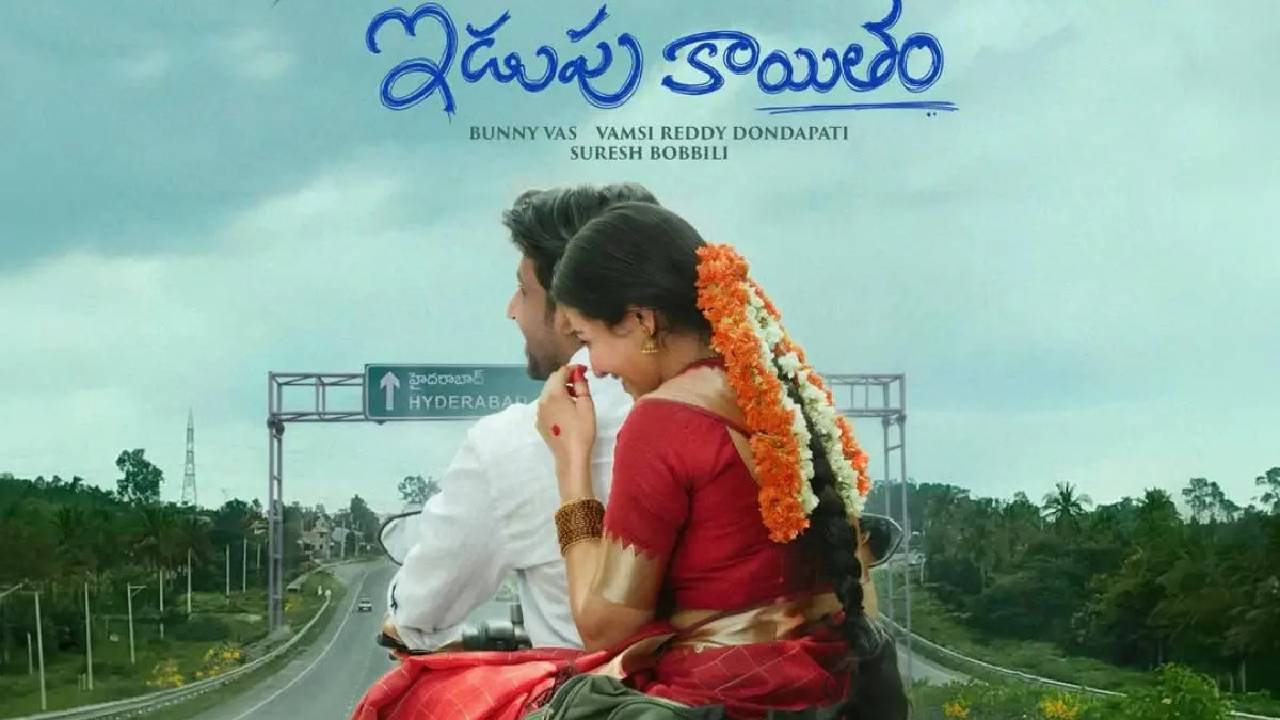
Idupu Kayitham simply means "divorce papers" in Telangana parlance. (Film poster)

Synopsis: The Idupu Kayitham row is symptomatic of a deeper reluctance to let go of outdated belief that the coastal Andhra dialect represents the sole standard of legitimacy. Dismissing Telangana dialect does not elevate Andhra, instead it is small-minded and outdated.
A humble film title has laid bare an uncomfortable truth: sections of Andhra society still cling to a sense of linguistic superiority over their Telangana brethren.
The new Telugu movie Idupu Kayitham, starring Priyadarshi and Naga Durga and produced by Sukumar and Bunny Vas, has barely begun shooting, yet its title—drawn straight from Telangana’s rural dialect—has triggered condescending mockery from some Andhra quarters. Instead of welcoming a story rooted in Telangana life, certain voices have questioned its legitimacy as “real Telugu,” revealing a petty cultural one-upmanship that refuses to die even a decade after bifurcation.
Idupu Kayitham simply means “divorce papers” in Telangana parlance—an everyday expression in villages that captures raw, lived reality. For Telangana people, it is authentic and endearing. But for some in Andhra, it became an opportunity to sneer: “What is this language?” or sarcastic demands for dubbing into “proper” Telugu. This is not innocent curiosity. It is gatekeeping, plain and simple, rooted in an outdated belief that the coastal Andhra dialect represents the sole standard of legitimacy.
Such attitudes are both arrogant and ignorant. Telugu is a magnificent classical language spoken by millions across both regions, with a rich literary heritage spanning centuries. It has dialects shaped by history, geography, and cultural exchange—just like any living tongue. Coastal Andhra Telugu carries literary prestige, but Telangana Telugu, enriched by Urdu influences from the Nizam’s era, is equally valid. It reflects the unique ethos of the Deccan plateau: direct, vibrant, and unpretentious. Dismissing it as inferior “slang” exposes a narrow mindset that seeks to dominate rather than celebrate diversity.
Andhra’s reaction is especially hypocritical when viewed against its own cinematic history.
Films celebrating Rayalaseema’s rugged dialect or coastal idioms have long been embraced without similar outrage. Local flavour is cheered when it originates from Andhra soil but scrutinised when it comes from Telangana. This selective pride stems from historical dominance. In unified Andhra Pradesh, coastal regions held greater cultural and political influence. The literary standard taught in schools and amplified by mainstream media often aligned with Andhra usage. Telangana’s distinct voice was marginalised, labelled as “Hyderabadi slang” or “Urdu-mixed,” implying it was somehow lesser or impure.
Even after Telangana’s hard-fought statehood in 2014, some Andhra voices refuse to accept equality. The Idupu Kayitham row is symptomatic of a deeper reluctance to let go of pre-bifurcation hierarchies. Social media trolls from Andhra have amplified the mockery, turning a film launch into a regional battlefield. This one-upmanship does little credit to a people who once led the fight for linguistic states. Potti Sreeramulu’s sacrifice was for Telugu unity, not Andhra supremacy.
By questioning Telangana’s linguistic validity, critics inadvertently reveal insecurity. A confident culture does not police others’ speech. It recognises that language evolves through contact. Telangana Telugu’s borrowings make it richer, not diluted.
Insisting one’s variant is the “legitimate” one echoes outdated colonial attitudes of imposing a single standard. It ignores how millions in Telangana speak and live their Telugu daily. Such gatekeeping alienates and divides the broader Telugu family at a time when unity could strengthen cultural influence amid rising English and pan-Indian trends.
Telugu cinema has immense potential to heal these divides. Blockbusters have celebrated shared heritage, but rooted stories like Idupu Kayitham—which promises to portray Telangana’s beauty, humour, and traditions—are equally vital. The film’s team has rightly emphasised its authentic background. Instead of support, it faced premature trolling. This reflexive criticism harms the industry. It discourages filmmakers from taking risks with regional narratives and pushes audiences into echo chambers.
Such criticism is necessary as Andhra’s cultural one-upmanship comes across as small-minded and outdated. It prioritises ego over enrichment. True lovers of Telugu should champion all its forms. Dismissing the Telangana dialect does not elevate Andhra; it diminishes the collective. It echoes the very linguistic chauvinism that progressive voices in both regions have long opposed.
Language thrives on pluralism. Telugu’s future lies in embracing its variations—from coastal lyricism to Telangana earthiness—rather than enforcing a hierarchy. Schools, media, and cultural forums must promote this understanding. Filmmakers should continue bold, region-specific projects without fear of backlash. Audiences, particularly in Andhra, need to move beyond defensiveness and approach Telangana stories with genuine interest.
Idupu Kayitham may well succeed despite the noise, turning controversy into curiosity. But the episode serves as a wake-up call. The Telugu community cannot afford internal linguistic snobbery. Andhra’s claim to sole legitimacy is not only factually weak but culturally regressive. It is time to retire this one-upmanship for good.
Let diverse voices flourish. Telugu is vast enough for everyone—coastal and plateau, literary and colloquial. A mature response to Idupu Kayitham would celebrate its difference rather than diminish it. Only then can the language and its people truly prosper together.
Also Read:
In K Bhagyaraj’s death, Tamil cinema loses a unique filmmaker, nuanced storyteller
Are thirty-seven per cent of voters in Telangana suspect? Seriously!
(Edited by R Rajesh Kumar.)



