

Published Jun 27, 2026 | 12:37 PM ⚊ Updated Jun 27, 2026 | 12:37 PM

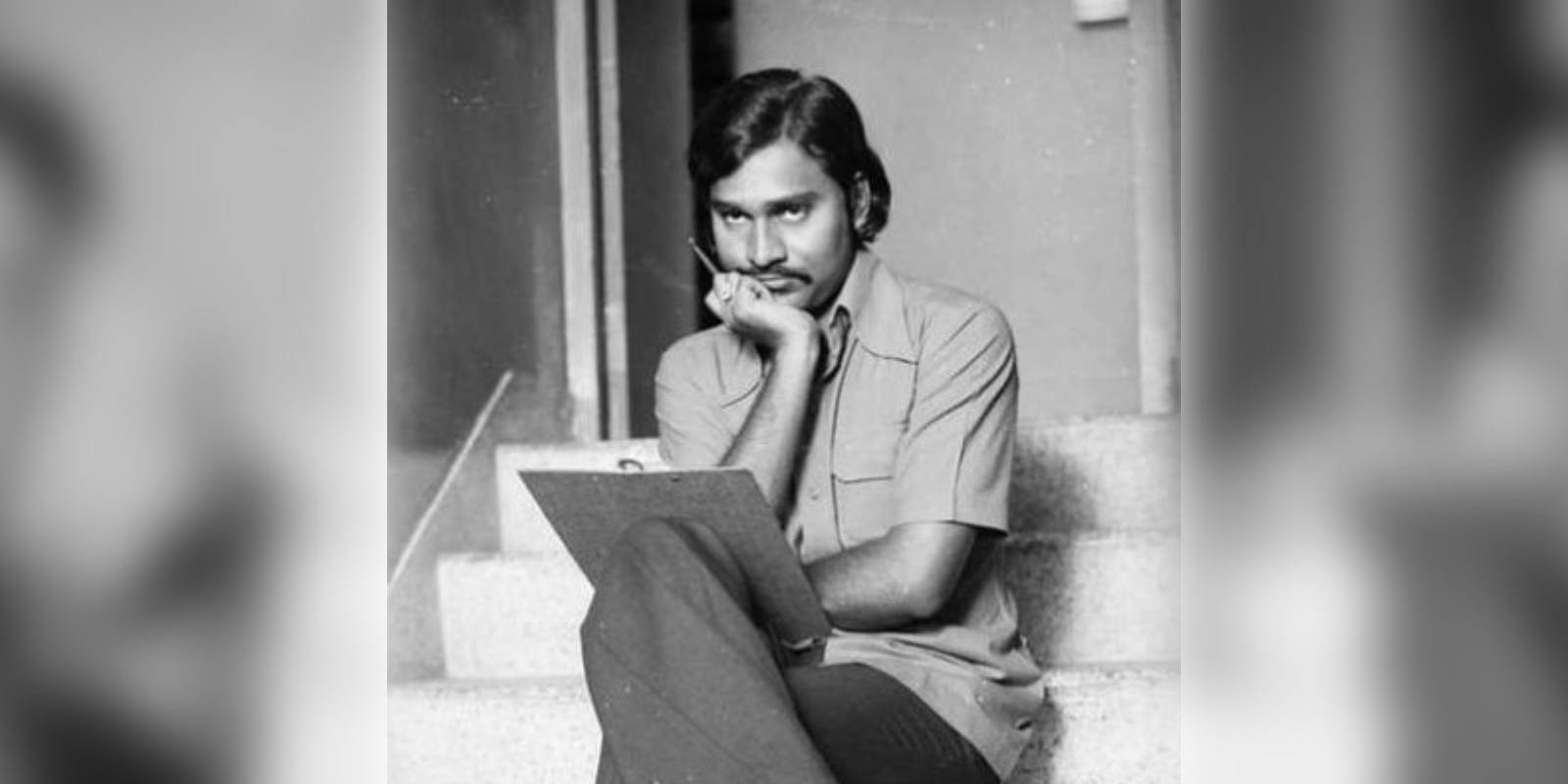
K. Bhagyaraj. (lokbhavan_tn/ X)

Synopsis: Long before the screenplay became central to conversations around Tamil cinema, K. Bhagyaraj proved that strong writing alone could make films memorable and commercially successful. Through stories rooted in everyday family life, he created a filmmaking style that generations of audiences connected with deeply.
With the death of veteran filmmaker and actor K Bhagyaraj on Saturday, 27 June, after a reported cardiac arrest, Tamil cinema has lost a name that shaped an entire generation of filmmaking, particularly in the 1980s.
Bhagyaraj was 73. For many Tamil audiences, especially those who grew up watching television reruns of his films, he was never just an actor or director. He was someone whose films felt familiar because they reflected the kind of lives people around us were already living.
Bhagyaraj came into cinema during a period when Tamil films largely revolved around bigger stars and predictable commercial formulas. But his films worked differently.
Instead of building stories around heroism, he focused on family life, complicated relationships, romance, awkward situations and small domestic conflicts. That became his identity as a filmmaker and probably the biggest reason audiences connected with him in a way that was different from many of his contemporaries.
Born as Krishnaswamy Bhagyaraj in Erode district, he entered the industry by working under director Bharathiraja, who was then among the most important filmmakers in Tamil cinema.
Over the years, people who worked in the industry often said Bhagyaraj’s strength was visible very early. Even before directing films himself, he had already built a reputation for writing, especially for understanding how ordinary conversations could be used effectively on screen.
That eventually became the foundation of his career. Starting with Suvarilladha Chiththirangal in 1979, Bhagyaraj soon entered a phase where he was delivering one successful film after another. Mouna Geethangal, Indru Poi Naalai Vaa, Andha 7 Naatkal, Darling Darling Darling, Thooral Ninnu Pochu and Mundhanai Mudichu all cemented his position as arguably one of Tamil cinema’s most successful writer-directors.
One reason Bhagyaraj stood apart was because he never looked like the traditional film hero of that period. Yet that never really mattered because audiences were coming for the stories.
Even now, whenever conversations around screenplay writing happen, his name usually comes up. Younger filmmakers have often spoken about studying his films because the writing still feels relevant even decades later.
Take Andha 7 Naatkal for example. Even today many film lovers bring up that film while talking about unconventional endings in Tamil cinema. Several critics have also pointed out over the years, that Bhagyaraj wrote women characters differently from many mainstream directors of that era. In many of his films, women were central to the emotional movement of the story instead of being treated as secondary characters.
A disciplined filmmaker
People who worked with Bhagyaraj have often spoken about how prepared he used to be during shoots. Actors have said he rarely came to sets uncertain about scenes.
Dialogues, timing, performance, he usually had everything in mind before cameras even started rolling. A lot of assistant directors who later became filmmakers have mentioned learning discipline simply by observing how he worked.
There are also stories people in cinema continue to remember about him outside filmmaking. Rajinikanth had once recalled an incident where Bhagyaraj helped him during a difficult public situation when an angry crowd had surrounded him. Rajinikanth later said he always remembered that moment because Bhagyaraj stepped in without hesitation when others stayed back.
His personal life also saw tragedy early on. His first wife, actress Praveena, died in 1983 after illness. Later he married actress Poornima Bhagyaraj and together they remained one of Tamil cinema’s familiar film families. Their son Shanthanu Bhagyaraj later entered the industry as well.
In later years, Bhagyaraj gradually became less active as filmmaking styles changed and Tamil cinema moved in different directions. But unlike many commercial filmmakers whose work gets forgotten over time, Bhagyaraj’s films continued finding younger audiences because the writing still held up. That is probably why his influence lasted longer than many expected.
For many people, Bhagyaraj’s biggest contribution was proving something very simple. Cinema did not always need big heroes or huge stories. Sometimes stories about ordinary people, everyday family tensions and small misunderstandings were enough. He understood that earlier than most filmmakers of his time, and Tamil cinema is unlikely to forget that anytime soon.
(Edited by Sumavarsha)



