

Published Jul 17, 2026 | 6:00 PM ⚊ Updated Jul 17, 2026 | 6:00 PM

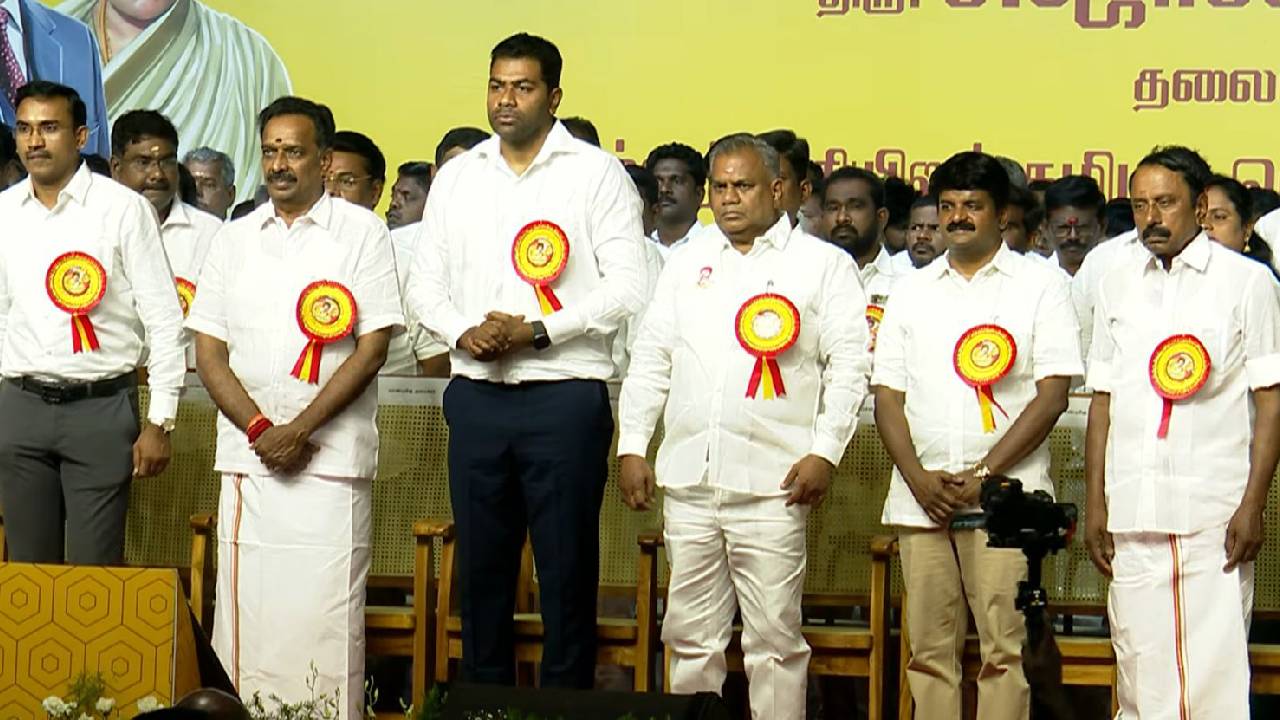
Several former AIADMK legislators joined the TVK on 2 July 2026.

Synopsis: MLAs and MPs across India are turning into avid party hoppers. At a time when many of them are busy rewriting jumping records, a look at the radical steps that can be taken.
Betrayal has become the normal currency of our politics, and democracy is taking the hit. The recent resignations of AIADMK legislators in Tamil Nadu and speculation about horse-trading in various forms show a deep sickness eating away at our governments. It is but one of many instances of opposition legislators resigning and joining the ruling party. An uncomfortable truth hides behind all this drama. Power in the Indian electoral system is now purely transactional, with public mandates manipulated without a second thought.
On the surface, switching sides may appear to be an individual choice based on personal conviction, but the timing of resignations and defections would reveal their intentions. A legislator switching parties by the end of a term is different from someone resigning their position right after the elections at the beginning of a term.
An MLA invests heavily to win an election. So, if they suddenly resign at the beginning of their term, the motive is rarely moral. The political reward for switching sides can easily trump the campaign costs. This goes beyond simple opportunism. This is political insider trading, and the loopholes in our own laws make it completely legal.
The stakes go far beyond one party or one state.
We are, in a way, losing the basic trust between citizens and their leaders as the legislators are bought and sold like goods in a market. This turns our electoral exercise into pure theatre. The Constitution here becomes just a stage prop. Stealing a public mandate is no ordinary scandal. It is a serious crime against the republic. Such crimes demand real punishment instead of empty words. Otherwise, India will just watch its democracy get auctioned off to the highest bidder: one resignation and one betrayal at a time.
At this juncture, it is crucial to revisit the anti-defection laws that are institutionalised to safeguard the people’s mandate. The Tenth Schedule of the Constitution, which was supposed to discourage defections, has been rendered toothless in recent times. Politicians have found the perfect escape route to make a mockery of it. They simply resign before switching sides. This helps them avoid disqualification under the anti-defection rules. Then they fight elections again under a new party banner and come back freshly laundered and legally clean. They have turned a legal safeguard into a weapon. The public is left watching the same faces return to power under different flags.
Actual governance takes a back seat and public welfare becomes an afterthought in these circumstances. Politics has turned into a simple market of buying and selling. So asking for reform almost sounds absurd.
Remember also that every forced resignation carries a massive bill that the taxpayer is forced to foot as the Election Commission routinely spends crores on entirely unnecessary by-elections. These resignations open the doors to corruption too. Politicians are tempted to recover money through inflated contracts and public scams.
The best possible remedy to prevent such defections and save public energy and time is to impose monetary penalties that truly sting. We must go straight after the wallets and the political dreams of these errant politicians. The following suggestions might read as highly far-fetched and utopian, but anything that arises from frustration and a commitment to ensuring the triumph of democracy might offer some insights for bringing about change.
To start with, a politician who quits just to get ahead must face a heavy price. The person leaving or the party taking them in must be made to pay back more than half the expenses incurred in conducting the election. This payment must be made before anyone accepts the resignation. Greed fades quickly when betrayal comes with a giant bill.
Then we need a strict five-year ban on running for office, a political quarantine to stop the spread of the virus. It implies that if you walk away from your voters today, you will have to sit on the sidelines for a full term. Turning one’s back on the public must lead to total isolation. It should never result in a shiny new prize. We should also ensure that all campaign deposits are completely non-refundable. The final vote count should not matter in this regard.
But fines alone are not enough; we need strict changes in the process, too.
For instance, a mandatory one-year cooling-off period is essential for any defector. This, in turn, will prevent the immediate exchange of loyalty for a minister’s office. Political choices in public life should not be viewed as stock market decisions that offer instant returns.
We also desperately need Public Defection Tribunals to build trust. We should establish quick-review panels comprising retired judges and election experts. The review panels should be empowered to investigate bribery claims and other dishonest practices within a stipulated time period.
More importantly, we must give democracy back to its true owners, the voters. An elected representative might want to resign. But that decision should not belong to the Speaker or the party boss. It must belong to the people who actually voted. We need a legally backed digital recall system that informs us that at least half of the registered voters in an area have agreed to a resignation before it becomes official. This ensures that political seats remain a public trust rather than private property and that resignations that are backed by genuine reasons alone go through. This idea is simple: there is nothing above the consent of the governed. It puts the real power back in the hands of the citizen.
These ideas should go far beyond simple moral lectures. They represent real and solid rule changes.
Our intent should be to end the entire business of political betrayal completely. We can actually make loyalty the most logical choice once again. We simply have to attach massive financial costs to anyone jumping ship.
The goal is clear: we must make betrayal far too expensive for anyone to afford. Doing the right thing has to become the only real option. This is exactly how we restore public faith in the ballot box.
Also Read | Vijay’s June 23 Assembly speech: When performance trumped governance
(Views are personal. Edited by R Rajesh Kumar.)



