

Published Apr 27, 2026 | 8:00 AM ⚊ Updated Apr 27, 2026 | 8:00 AM

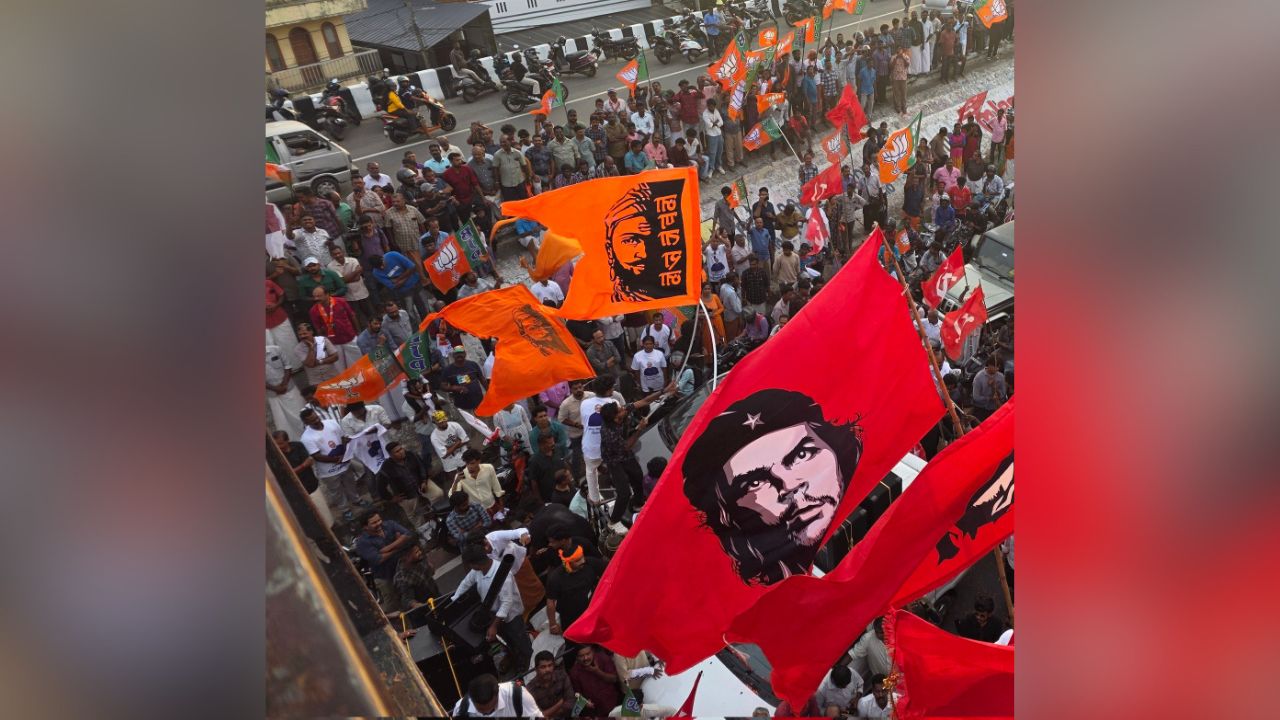
An image from a poll rally in Thiruvananthapuram. (RajeevRC.FB/Facebook)

Synopsis: The results of the Assembly elections in four states and a Union Territory will be declared on 4 May, making 5 May a crucial day for all political fronts to reflect on their performances. These elections are not isolated state-level contests; they represent a broader ideological and strategic battle between the ruling BJP and a fragmented but increasingly coordinated Opposition, especially the INDIA bloc.
The first week of May 2026 may well emerge as a defining moment in contemporary Indian politics. With the results of crucial Assembly elections in West Bengal, Tamil Nadu, Kerala, Assam and the Union Territory of Puducherry expected on 4 May, the political reverberations will likely be felt across the national spectrum the very next day.
5 May, therefore, is not just a date on the calendar — it could mark a subtle yet significant turning point, particularly for the INDIA bloc and its evolving role in national politics.
These elections are not isolated state-level contests; they represent a broader ideological and strategic battle between the ruling BJP and a fragmented but increasingly coordinated Opposition. Each state offers a distinct political context, yet together they form a composite picture of India’s electoral mood in the post-general election phase.
Also Read: Hibi Eden seeks exit from Digital Cell as CM chatter fuels Congress’s pre-result unease
West Bengal remains a high-stakes arena. The dominance of the All India Trinamool Congress (TMC), led by Mamata Banerjee, has consistently resisted the BJP’s aggressive expansion. A reaffirmation of TMC’s strength would reinforce the narrative that regional parties can effectively counter the BJP’s electoral machinery. Conversely, any significant inroads by the BJP would signal a resurgence of its eastern strategy, potentially unsettling the opposition’s confidence.
Tamil Nadu presents a different dynamic. The DMK, aligned with the INDIA bloc, has maintained a stronghold with its Dravidian model of governance. A decisive victory here would bolster the Opposition’s claim of delivering stable and welfare-oriented governance, strengthening the INDIA bloc’s southern bastion. However, even marginal gains by the AIADMK or the BJP could indicate a shift in voter sentiment that the opposition cannot afford to ignore.
Kerala, traditionally a bipolar contest between the LDF and the UDF, adds another layer of complexity. While both fronts are technically part of the broader Opposition space nationally, their rivalry at the state level often dilutes the coherence of the INDIA bloc. The results here will test whether ideological alignment at the national level can coexist with competitive state-level politics.
Assam is perhaps the most critical battleground for the BJP in this electoral cycle. Governed by the BJP, the state symbolises the party’s consolidation in the Northeast. A strong performance would reaffirm its dominance and governance narrative in the region. On the other hand, any erosion of support could embolden regional forces and Opposition parties, challenging the BJP’s carefully built northeastern strategy.
Puducherry, though small in size, carries symbolic importance. Political shifts here often mirror broader alliances and undercurrents. A victory for opposition forces would add to the INDIA bloc’s momentum, while a BJP-led win would underscore its ability to influence even smaller territories.
Also Read: Think 85% turnout in Tamil Nadu polls 2026 means ‘wave election’? Think again
What makes 5 May particularly significant is not merely the tally of seats but the narrative that emerges from these results. Politics, after all, thrives on perception as much as numbers. A favourable outcome for the INDIA bloc across multiple states could reinvigorate its unity, providing a much-needed psychological boost and strengthening its negotiating power within the coalition. It would signal that despite internal contradictions, the alliance remains a viable counterforce to the BJP.
However, the opposite scenario could deepen fissures within the Opposition. Poor performance in key states may trigger blame games, weaken leadership credibility, and raise questions about the alliance’s long-term sustainability. Regional parties, always sensitive to electoral realities, may reassess their positions, potentially leading to realignments that could reshape the opposition landscape.
For the BJP, these elections are equally consequential. Success would reinforce its narrative of pan-Indian appeal and governance efficiency, while setbacks could prompt introspection and recalibration of strategies ahead of future electoral battles.
Ultimately, 5 May will serve as a moment of political interpretation. It will shape headlines, influence public discourse, and perhaps even alter the trajectory of alliances and strategies in the months to come. In a democracy as vast and complex as India’s, such moments do not always produce immediate transformations, but they often set the tone for what follows.
Whether it becomes a turning point or merely a passing phase will depend on how political actors respond to the verdict. But one thing is certain: The results on 4 May will echo far beyond the states in question, making 5 May a day of reckoning for India’s political future.
(Views are personal.)



