

Published Nov 24, 2026 | 7:02 PM ⚊ Updated Nov 24, 2026 | 7:02 PM

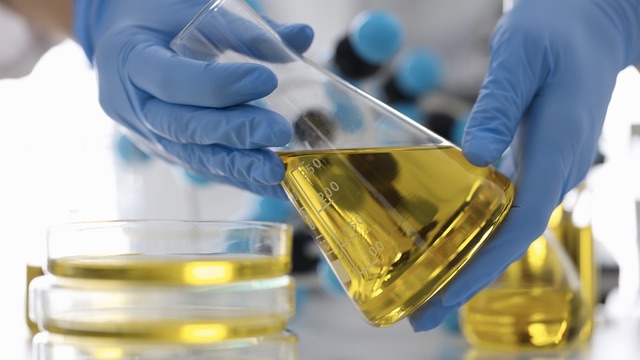
The Civil Supplies Department has been collecting petrol samples from retail outlets across Keralam.

Synopsis: The Keralam government has sought the Union government’s intervention to make oil marketing companies (OMCs) supply 100 percent pure petrol samples, saying their absence is holding up tests to determine the ethanol content in E20 petrol sold through retail outlets across the State, after IOC and BPCL backed out of their commitment to supply them. Testing laboratories require pure petrol to establish the calibration standard and prepare the calibration graph needed to measure ethanol content accurately.
The Keralam government has sought the Union government’s intervention to make oil marketing companies (OMCs) supply 100 percent pure petrol samples, saying the absence of these samples is holding up tests to determine the ethanol content in E20 petrol sold through retail outlets across the State.
Food and Civil Supplies Minister Anoop Jacob has written to Union Petroleum and Natural Gas Minister Hardeep Singh Puri and Minister of State Suresh Gopi, urging them to direct the oil companies to provide the samples without further delay.
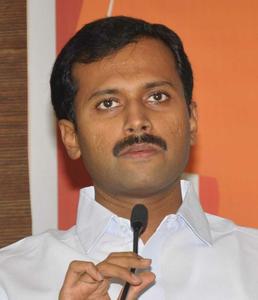
Minister for Food and Civil Supplies Anoop Jacob.
The Civil Supplies Department began collecting petrol samples from retail outlets across Keralam after tests conducted by the Karnataka government on E20 petrol sold in the State found ethanol content in excess of 30 percent.
The samples taken across Keralam were sent to the State Chemical Examiners’ Laboratories for analysis.
However, the laboratories require 100 percent pure petrol to establish the calibration standard and prepare the calibration graph needed to measure ethanol content accurately. The samples are also essential for comparing the test results with those obtained from petrol collected from retail outlets.
According to the Minister’s letter, Indian Oil Corporation and Bharat Petroleum Corporation had initially agreed to supply the samples but later backed out. Repeated efforts by senior State government officials to obtain them have also failed.
Also read: From E20 to 420: Farmers wait, riders pay, oil companies profit in India’s ethanol push
The laboratories have recommended the cylindrical method prescribed under Indian Standards. The procedure involves testing petrol in a 150 ml glass cylinder and requires a sample of pure petrol for an accurate assessment.
Without the reference sample, laboratory experts cannot carry out the prescribed calibration and comparative analysis, making it difficult to establish the exact ethanol content through the testing method adopted by the State.
The laboratories have also stressed the importance of following the prescribed procedure because the test findings could come under legal scrutiny. Results obtained through the specified method would carry particular significance if the findings were challenged in court.
In his letter, Jacob said the State’s testing exercise was not intended to question the credibility of oil companies. It was meant to address public concerns over whether petrol sold in Keralam contained ethanol beyond the permissible limits.
Jacob has urged the Centre to intervene and direct the oil marketing companies to provide the pure petrol samples, enabling the State laboratories to complete the tests and establish the actual ethanol content in petrol sold across Keralam.
(Edited by Dese Gowda)



