

Published Nov 06, 2026 | 2:31 PM ⚊ Updated Nov 06, 2026 | 2:38 PM

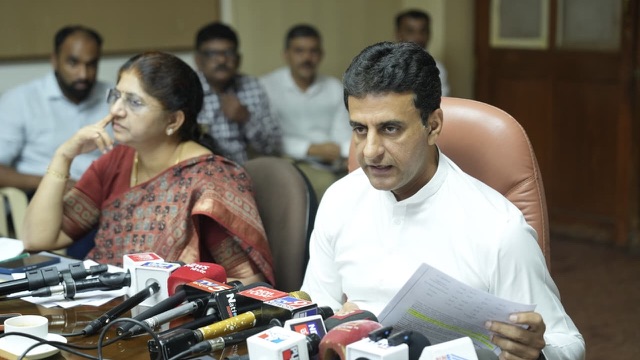
The Legal Metrology Department estimated that excess ethanol blending was costing consumers ₹62,000 crore annually.

Synopsis: The Karnataka government has found that petrol sold by major oil marketing companies in the State contains ethanol levels above the Centre’s mandated 20 percent blend, with laboratory tests finding concentrations of up to 31.2 percent in samples from seven districts. It has demanded a probe, public disclosure of ethanol levels at petrol pumps, action against oil companies supplying fuel above the E20 limit and compensation for affected vehicle owners.
The Congress government has found that petrol sold by major oil marketing companies in the State contained ethanol in excess of the Union government-mandated E20 blend, with laboratory tests recording concentrations as high as 31.2 percent in samples collected from different locations across the State.
The tests were conducted on petrol samples collected from seven districts: Bengaluru, Kolar, Chikkaballapura, Bengaluru Rural, Ramanagara, Mangaluru and Tumakuru, on the directions of Food, Civil Supplies, Consumer Affairs and Legal Metrology Minister Rizwan Arshad.
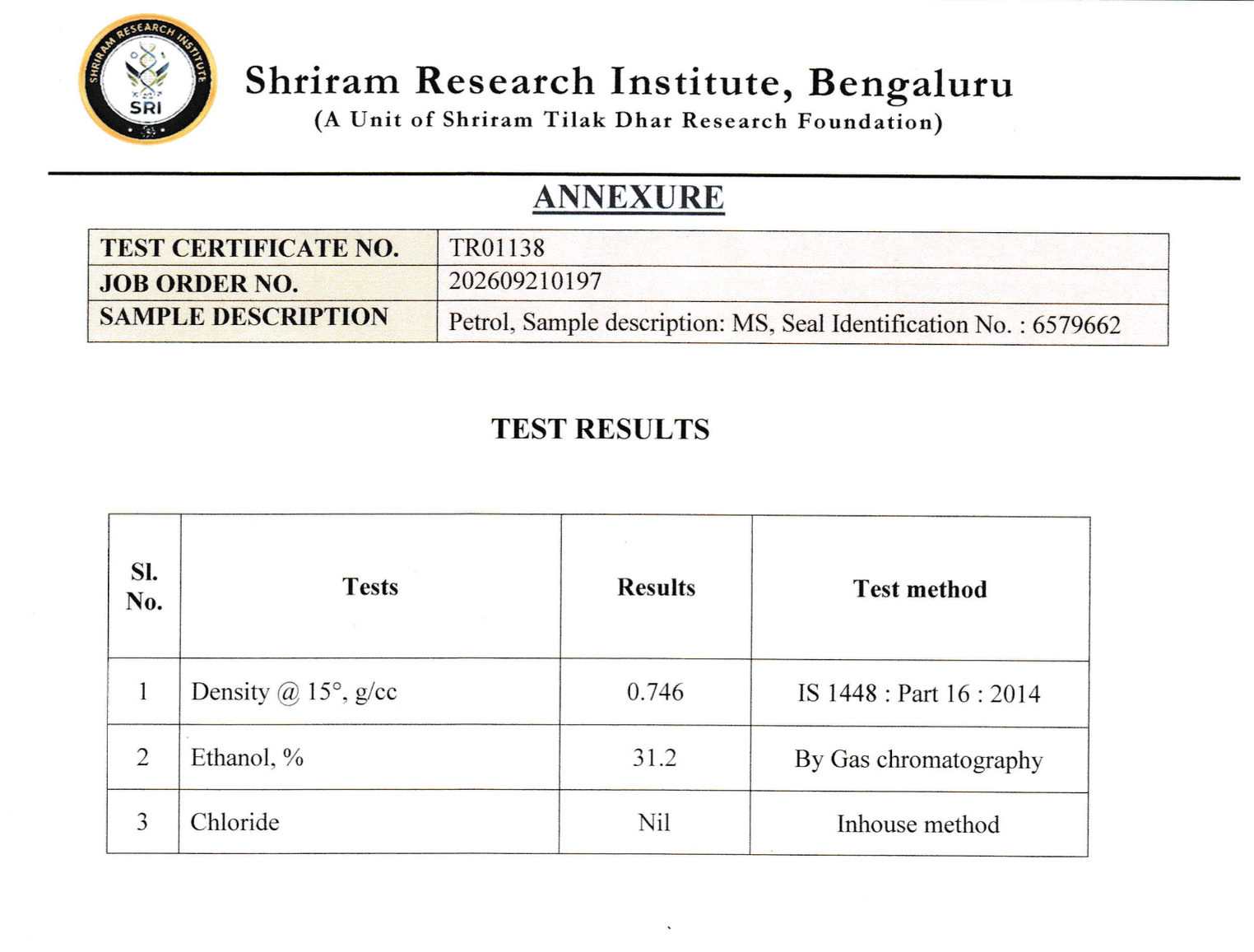
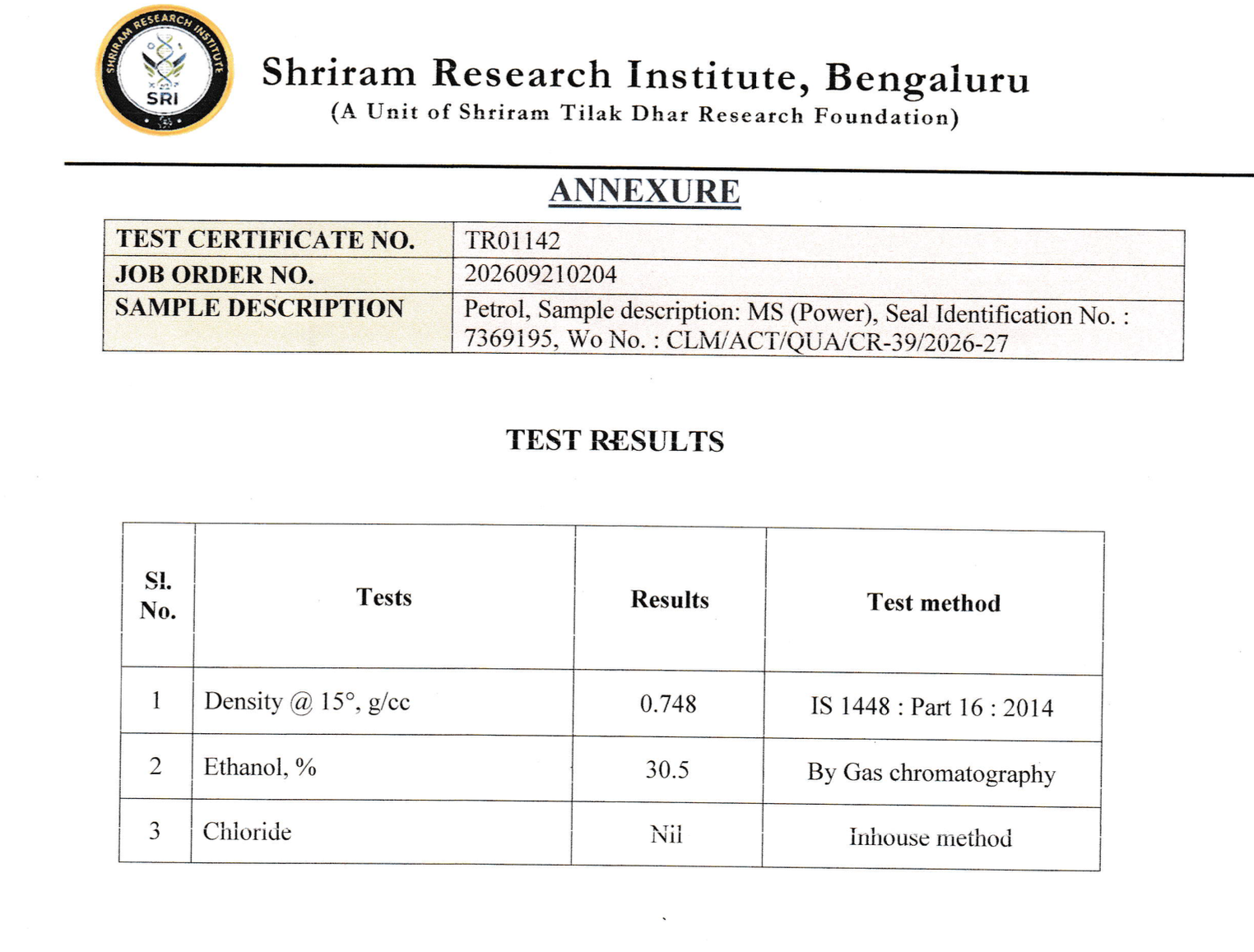
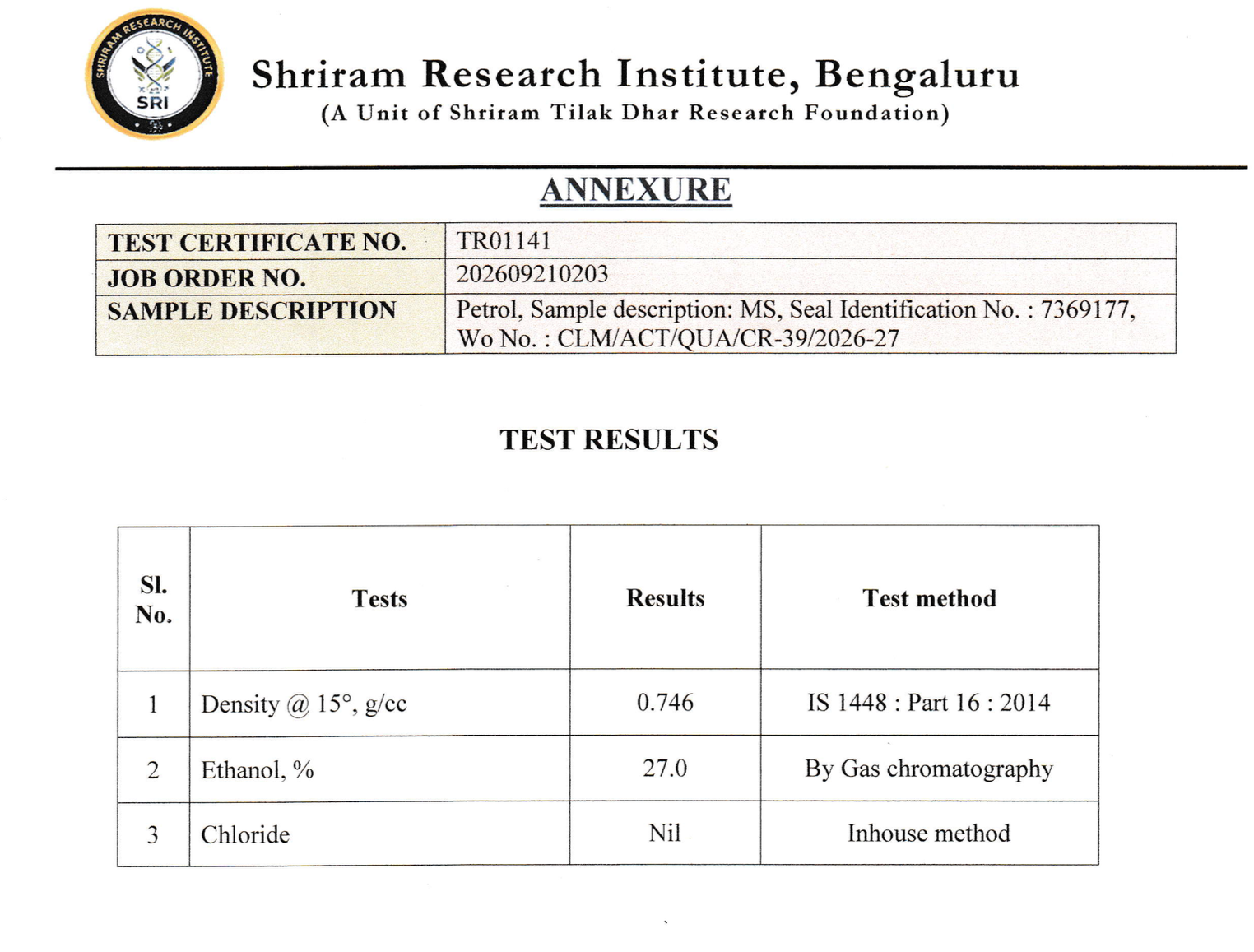
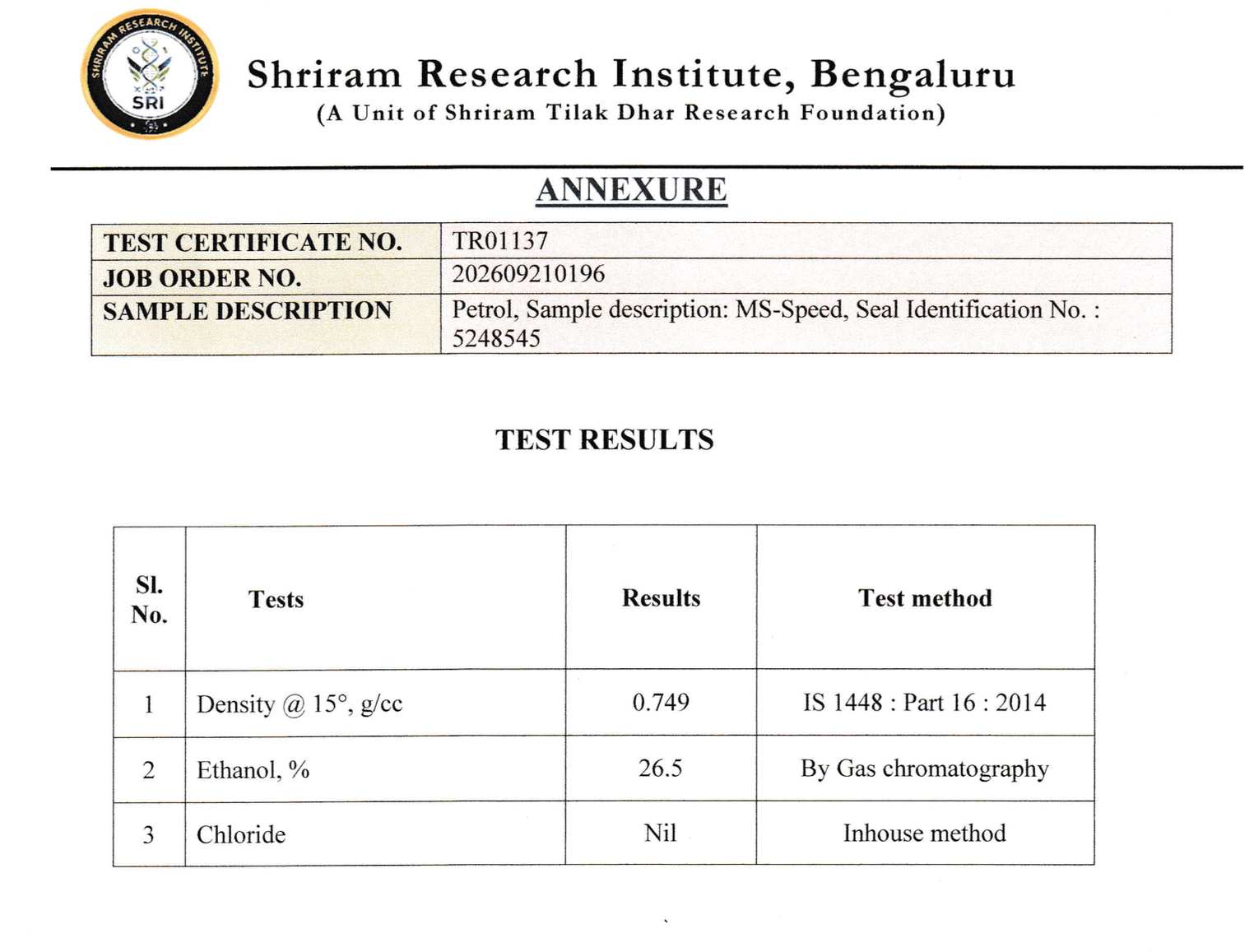
Test results attached to a statement issued by the Department of Legal Metrology on Friday, 6 November showed ethanol content above 20 percent in 11 of the 14 samples tested.
Indian Oil Corporation Limited (IOCL) recorded the highest concentration at 31.2 percent, followed by Hindustan Petroleum Corporation Limited (HPCL) at 30.5 percent. The remaining samples included concentrations of 27 percent in HPCL petrol, 26.5 percent in Bharat Petroleum Corporation Limited (BPCL) petrol and 26.1 percent in Nayara petrol.
The results also recorded 25.5 percent in a Shell sample, 24.2 percent and 22.6 percent in two BPCL samples, 22.4 percent in an HPCL sample, 20.8 percent in an IOCL sample and 20.6 percent in a Nayara sample.
Three samples recorded ethanol concentrations below 20 percent: 19.9 percent in BPCL petrol, 19.2 percent in Mangalore Refinery and Petrochemicals Limited (MRPL) petrol and 13.5 percent in Shell petrol.
The Department said the samples were initially sent to the in-house laboratories of IOCL and BPCL, but the reports issued by these laboratories did not disclose the ethanol content.
“This omission raises serious questions about the transparency of the oil marketing companies and what they seek to conceal from consumers,” the Department said.
It subsequently sent the samples to laboratories accredited by the National Accreditation Board for Testing and Calibration Laboratories (NABL) and certified under ISO standards.
https://t.co/iMavycaWDN
🔴 LIVE | What’s really in your petrol?
Karnataka’s Legal Metrology Department found more than 20% ethanol in petrol samples it tested. The highest reading was 31.2%.
Watch Minister Shri Rizwan Arshad present the findings and address why motorists should be able to see the ethanol content at the pump before they fill up.#E20FuelBlending #MissionNikhara #RizwanArshad #ConsumerRights #Karnataka
— Rizwan Arshad (@ArshadRizwan) November 6, 2026
The Legal Metrology Department estimated that excess ethanol blending was costing consumers ₹62,000 crore annually through reduced mileage and another ₹39,000 crore in vehicle repair costs, putting the total annual burden at nearly ₹1.01 lakh crore.
The estimated repair costs account for damage to fuel filters, pumps, injectors, hoses and seals in vehicles not designed to run on higher ethanol blends.
According to the Department, 99 percent of India’s 35 crore vehicles were not designed for ethanol blends above E20. Even vehicles sold after April 2023 were certified only for blends up to E20, it said.
The Department alleged that the Union government’s claim that the E20 scheme saves foreign exchange had not translated into benefits for consumers, even as oil marketing companies and automobile manufacturers were reaping record profits.
“The Central Government has argued that ethanol blending saves foreign exchange. The benefit, however, has not reached the consumer. Combined profits of IOCL, BPCL and HPCL: 77,821 crore in FY 2025-26. In addition, automobile manufacturers earn nearly 50 percent of their profits through servicing and selling spare parts. While the oil marketing companies report record earnings, consumers bear the cost through lost mileage and damaged vehicles,” it said in a statement.
Also Read: Karnataka households feel the squeeze as milk and bus fare hikes add to rising living costs
Minister Rishwan Arshad demanded an explanation from the Union Ministers for Road Transport and Highways and Petroleum and Natural Gas on the actual ethanol content of petrol supplied to consumers.
He called on the Union government to publicly disclose the ethanol blend in fuel sold across the country and initiate action against oil marketing companies supplying petrol with more than 20 percent ethanol.
Arshad also demanded an E20 spoilage fund to compensate consumers whose vehicles had suffered damage. The proposed fund should provide compensation through a time-bound claims process, with damage certified by authorised service centres, the party said.
The State government further demanded mandatory display of ethanol content at every petrol pump in the country and a choice of available fuel blends for consumers.
Arshad said the Karnataka government would continue testing fuel samples across the State and release its findings under the Motor Spirit and High Speed Diesel (Regulation of Supply and Distribution and Prevention of Malpractices) Order, 2005.
Under the Order, the State has empowered the Commissioner of the Food, Civil Supplies and Consumer Affairs Department, the Controller and officers of the Legal Metrology Department, Deputy Commissioners, Tahsildars and police officers not below the rank of Deputy Superintendent of Police to act against malpractice in fuel supply and distribution.
(Edited by Dese Gowda)



