

Published Nov 04, 2026 | 1:50 PM ⚊ Updated Nov 04, 2026 | 1:50 PM

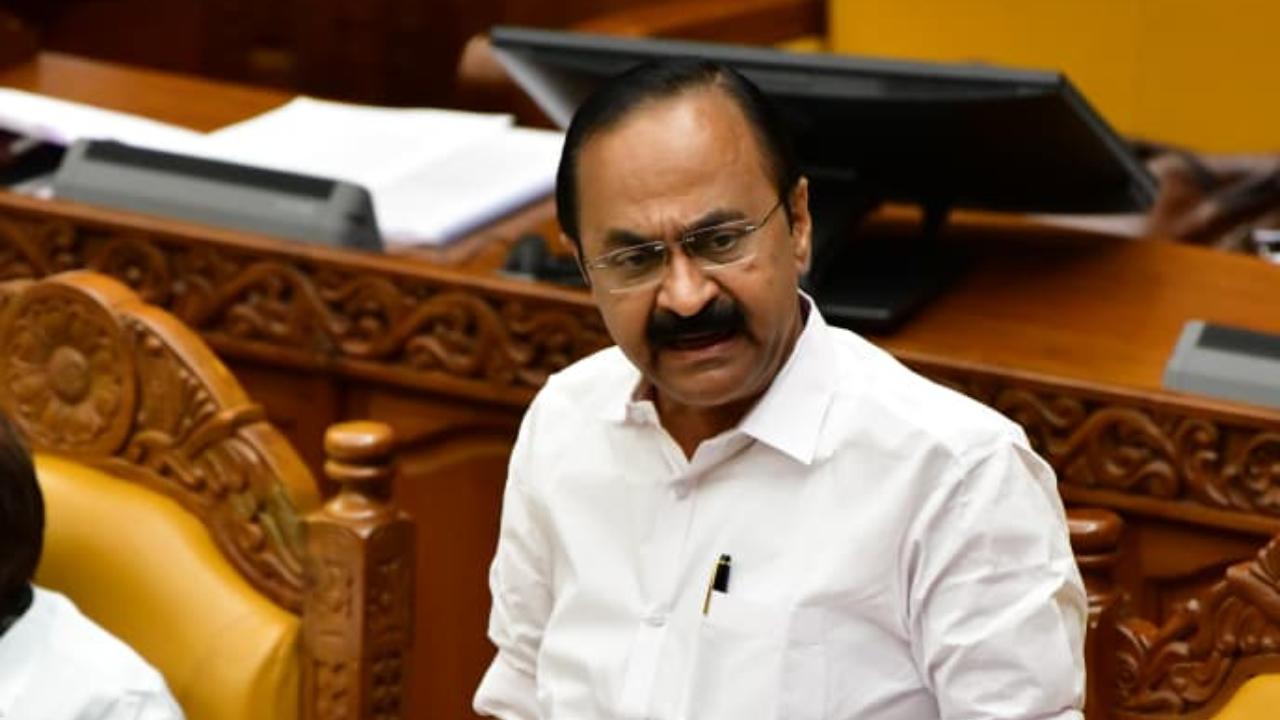
The report, prepared by a special committee, was submitted to Chief Minister VD Satheesan.

Synopsis: A draft report on the implementation of the four Labour Codes in Keralam has proposed higher minimum wages, wider eligibility for bonus and other benefits, free medical examinations for workers in hazardous occupations and stricter safety measures for women working night shifts. The report, prepared by a special committee, was submitted to Chief Minister VD Satheesan on 4 November. It also proposes greater powers for the State government to intervene in matters such as lockouts and lay-offs.
A draft report on the implementation of the four Labour Codes in Keralam has proposed higher minimum wages, wider eligibility for bonus and other benefits, free medical examinations for workers in hazardous occupations and stricter safety measures for women working night shifts.
The report, prepared by a special committee, was submitted to Chief Minister VD Satheesan by Labour Minister Bindu Krishna on Wednesday, 4 November. It also proposes greater powers for the State government to intervene in matters such as lockouts and lay-offs.
Keralam is yet to frame rules for the four Labour Codes, which replaced 29 existing labour laws. The four Codes are the Code on Wages, 2019; the Industrial Relations Code, 2020; the Code on Social Security, 2020; and the Occupational Safety, Health and Working Conditions Code, 2020. Parliament passed the Codes in 2020, and they were notified in November 2025.
Both the previous LDF government and the current UDF government have opposed the Codes. However, Satheesan has said the Codes cannot simply be left unimplemented after the earlier labour laws were replaced. He has also assured trade unions that their concerns would be considered and workers’ rights protected.
At its meeting on 29 July, the Cabinet had entrusted Satheesan with holding discussions with trade unions and arriving at a decision on the State’s approach.
Also Read: Three generations, five decades of protests and endless promises: A Wayanad family’s fight for land
Key recommendations
The issues requiring consideration include minimum wage fixation, exemptions from building cess, occupational safety provisions, safeguards for migrant and contract workers, and provisions of the Industrial Relations Code.
The proposed increase in minimum wages stems from a recommendation to expand the definition of a worker’s family unit from three members to five, including parents. The change would bring a larger family into the calculation of minimum wages and raise the resulting wage entitlement.
On workplace safety, the committee has recommended free medical examinations for workers in hazardous and dangerous occupations. It has also called for strict safety standards and specific protective measures for women employed during night shifts.
The report proposes expanding the category of workers eligible for bonus and other benefits, bringing more employees within the social security framework.
The special committee was constituted after a meeting chaired by Satheesan on 22 October to examine the State’s concerns over the Labour Codes and suggestions from trade unions. It comprised the Labour Commissioner as convener, an Additional Secretary from the Law Department, seven trade union representatives and Labour Department officials. The committee completed 10 days of deliberations and consultations before submitting its draft to the Minister.
The committee’s recommendations also draw on the examination of proposed State-level amendments by the Justice Gopal Gowda Committee. That committee recommended legislative changes, including provisions allowing the State government greater intervention in lockouts and lay-offs.
Krishna said the State would implement the Labour Codes only after making the necessary changes within the permissible legal framework to protect workers’ rights and interests. Further decisions would follow consideration of the views and suggestions of trade unions.
(Edited by Dese Gowda with Dileep V Kumar)



