

Published Jun 20, 2026 | 8:00 AM ⚊ Updated Jun 20, 2026 | 8:00 AM

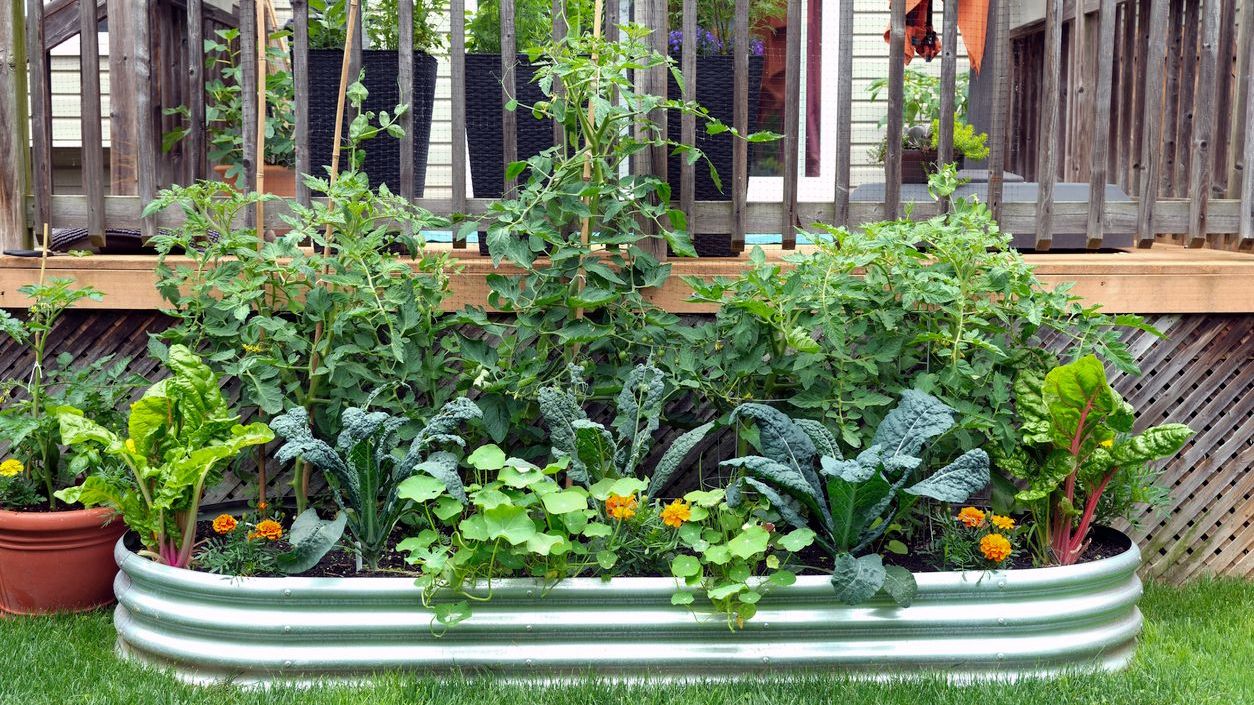
Vegetable garden. Representative image. (iStock)

Synopsis: A United Nations World Food Programme initiative to establish Nutri Gardens in selected Anganwadi centres across Palakkad district in Kerala aims to improve the nutrition of children, pregnant women and lactating mothers through the cultivation of fresh fruits and vegetables. Fully funded by the WFP, the project combines food security, nutrition education and community participation, offering a sustainable grassroots response to the district’s long-standing malnutrition challenges.
For decades, the Palakkad district has remained at the centre of discussions on nutrition and child health in Kerala, largely because of recurring concerns over malnutrition among vulnerable communities, particularly in the tribal hamlets of Attappadi.
Poor nutrition among mothers and children has often been linked to adverse health outcomes and increased infant mortality risks, prompting repeated interventions from successive governments and health agencies.
Against this backdrop, a fresh initiative that combines nutrition, food security and community participation is set to take root across the district.
The United Nations World Food Programme (WFP) – India chapter, in collaboration with the Kerala Women and Child Development Department (WCDD), will establish Nutri Gardens in selected Anganwadi centres in Palakkad, aiming to bring fresh vegetables and fruits directly to the plates of children and mothers who need them most.
Also Read: How corruption at Kerala’s RTOs is fueling a road safety catastrophe
The state government approved the project following a series of proposals and consultations between the WFP and the WCDD.
Under the initiative, Nutri Gardens will be developed in Anganwadi centres that are not covered under the Saksham project (a nutrition support programme) and have sufficient land for cultivation.
The gardens will be used to organically grow a variety of vegetables and fruits. The produce is expected to supplement meals provided under the Integrated Child Development Services (ICDS) scheme to children, pregnant women and lactating mothers.
According to the project proposal, WFP will provide seeds, vegetable seedlings, fruit saplings, organic fertilisers and essential gardening equipment.
Training programmes will also be organised for Anganwadi workers, while community members will be encouraged to participate in maintaining the gardens, strengthening local ownership of the initiative.
“Nutri Gardens are designed to enhance dietary diversity and food security by cultivating nutrient-rich crops suited to local conditions. Leafy vegetables, beans, tomatoes, fruits and other micronutrient-rich crops are expected to form part of the cultivation plan, helping address nutritional deficiencies commonly associated with staple-based diets,” said an official with the WCDD.
According to WCDD, Palakkad’s selection for the Nutri-Garden is rooted in the district’s long-standing struggle with malnutrition and poor maternal and child health outcomes.
For years, the tribal hamlets of Attappadi have remained a matter of concern for health authorities, with recurring reports of undernutrition, low birth weights and infant deaths drawing attention to deep-seated nutritional vulnerabilities.
While Kerala enjoys some of the country’s best health indicators, pockets of deprivation in Palakkad have continued to expose the limits of conventional welfare interventions.
Between 2014–15 and 2023–24, Palakkad district recorded a total of 1,366 infant deaths, highlighting a persistent public health concern in the region.
The district is home to Attappadi, Kerala’s only tribal taluk, where 115 infant deaths were reported during the last 10-year period. The figures have repeatedly drawn attention to the vulnerabilities faced by tribal communities and the continuing challenges in ensuring adequate maternal and child healthcare.
A combination of factors has been linked to infant mortality in the region, including limited access to healthcare services, socio-economic hardships and malnutrition, which has long been identified as a significant contributor to poor maternal and child health outcomes in Attappadi.
The situation gained national attention in 2016 when Prime Minister Narendra Modi, during a visit to Kerala, described Attappadi as a “Somalia” within the state, underscoring the severity of the conditions faced by many residents of the tribal belt and the urgent need for sustained intervention. The remark sparked considerable political controversy, but it also brought renewed focus to the developmental and health challenges confronting the region.
A detailed proposal submitted by the WFP estimates the cost of establishing Nutri Gardens in selected Anganwadis in Palakkad at ₹1.44 crore.
The agency informed the government that the total expenditure will be borne by the WFP for a period of one year, ensuring that the project does not place any financial burden on the state government or the department.
The WCDD endorsed the proposal, noting that the initiative will not only improve the nutritional quality of food available to Anganwadi beneficiaries but also create awareness regarding organic farming among children, parents and local communities.
Officials believe the project could emerge as a model for integrating nutrition education with sustainable food production at the grassroots level.
By transforming Anganwadi premises into small food-growing spaces, the initiative seeks to promote healthy eating habits, encourage community participation and strengthen local food security.
Also Read: Right-wing narrative, West Asia conflict fuels suspicion of Bengali workers in Kerala
Far from being mere kitchen gardens, the nutrition gardens are emerging as a powerful tool in the fight against child malnutrition, simultaneously educating children about healthy living and sustainable agriculture, officials of the WCDD said.
According to officials, the initiative forms part of a broader strategy to improve the nutritional quality of meals served to children while fostering long-term behavioural change among students and communities.
“As outlined in the proposals submitted by the WFP Director on 23 December 2025 and 27 March 2026, these gardens are not simply supplementary farms attached to schools. They are living classrooms that combine nutrition, education, sustainability and community participation,” a senior WCDD official said.
Fresh vegetables and fruits harvested from the gardens are incorporated directly into school meals, reducing dependence on external supplies while improving the freshness and nutritional value of food served to children.
“The immediate benefit is nutritional. Fresh produce helps address micronutrient deficiencies among children, which are closely linked to cognitive development, immunity and physical growth,” the official explained.
Officials said the gardens also serve as practical learning spaces where children gain first-hand knowledge of nutrition, hygiene, environmental stewardship and climate-smart farming practices.
“Students learn where their food comes from and why a balanced diet matters. These lessons often stay with them for life,” another WCDD official noted.
The impact extends well beyond school premises. Seedlings, cultivation techniques and nutritional knowledge are frequently shared with families, encouraging the establishment of household nutrition gardens and improving dietary diversity at the community level.
“What begins in a school garden often reaches hundreds of homes. Parents adopt similar practices, leading to healthier food choices and greater awareness about nutrition,” the official said.
Officials further highlighted that the initiative aligns closely with the WFP’s Home-Grown School Feeding (HGSF) model, which promotes the use of locally sourced nutritious food while supporting smallholder farmers and local economies.
The WFP India Country Strategic Plan (2023–2027) also identifies nutrition gardens as an important intervention to increase the availability of fresh foods and strengthen social and behaviour change communication on nutrition.
Beyond health outcomes, officials stressed that the gardens contribute to improved educational performance.
“A well-nourished child is more attentive in the classroom. Better nutrition translates into improved concentration, attendance and learning outcomes,” a WCDD official said.
The initiative also generates economic and social benefits by involving local communities and women’s self-help groups in cultivation and maintenance activities. This not only supports local livelihoods but also helps schools reduce food procurement costs.
Officials described the model as low-cost, scalable and adaptable to local conditions, making it particularly suitable for areas vulnerable to climate-related agricultural disruptions.
“Nutrition gardens are a sustainable solution that complements national priorities under the National Food Security Act and POSHAN initiatives. They strengthen local food systems while building resilience against climate shocks,” an official observed.
Most importantly, officials believe the programme is helping cultivate lifelong healthy habits among children.
“When children grow food, cook it and eat it, they develop a deeper understanding of nutrition and environmental responsibility. That sense of ownership is critical,” the official added.
Meanwhile, an official with the Directorate of Health Services said that while nutrition gardens hold significant promise to improve dietary diversity and strengthen community participation, and not a standalone solution.
“Malnutrition is often linked to a complex mix of factors, including poverty, maternal health, access to healthcare, sanitation and food security. The success of the initiative will therefore depend not only on the productivity of the gardens but also on sustained community involvement and the effective integration of broader nutrition and health interventions,” said the official.
(Edited by Muhammed Fazil.)



