

Published Jun 15, 2026 | 12:36 PM ⚊ Updated Jun 15, 2026 | 12:36 PM

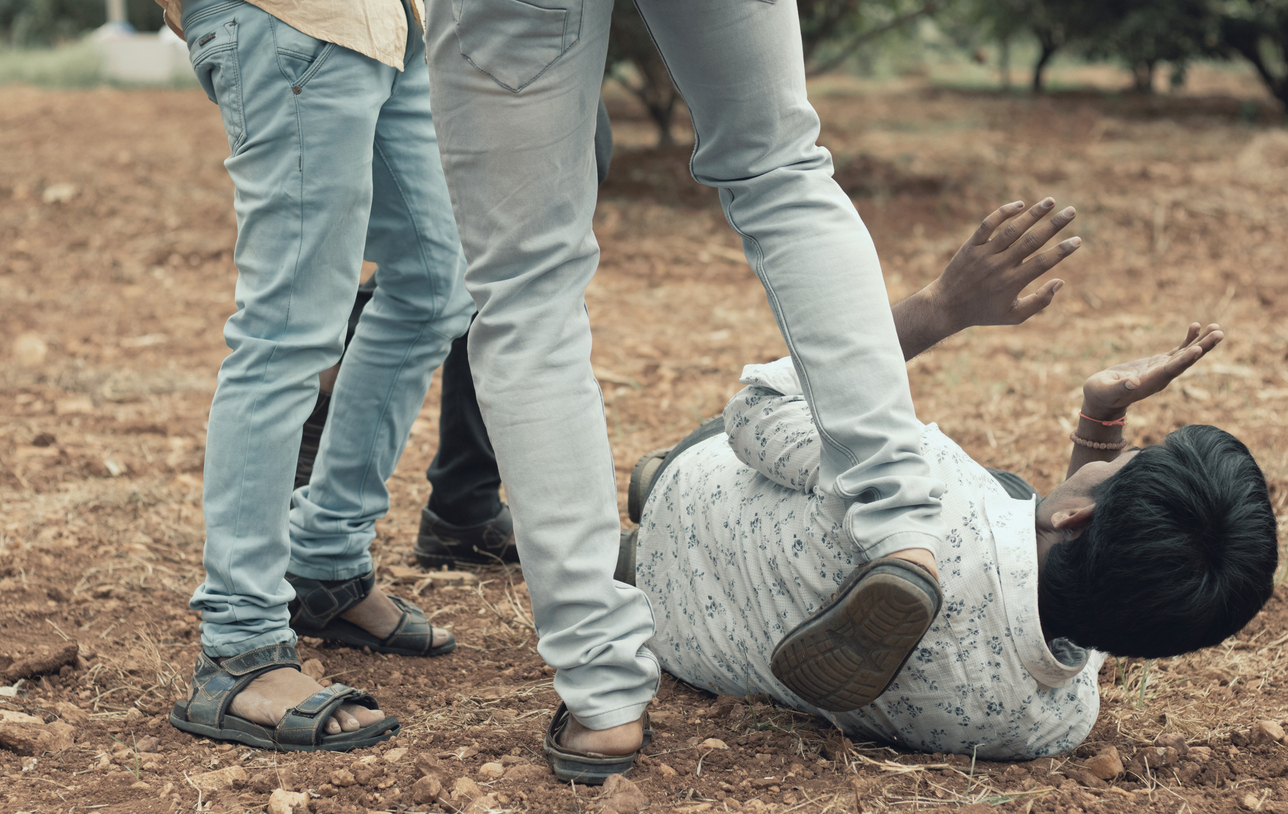
Representational image. Credit: iStock
Synopsis: A man from Kerala was lynched in West Bengal’s South 24 Parganas on 9 June after villagers mistook him for a thief. Communication barriers worsened suspicion, leading to assault and his death. Police arrested five adults and detained two juveniles. Identity confirmation is pending, while directives on mob violence prevention highlight gaps in vigilance and accountability.
The shocking case of mob lynching come into light after police in West Bengal arrested five people and detained two juveniles over the alleged lynching of a man from Kerala in South 24 Parganas district.
Police said the man was reportedly assaulted by villagers in the Sankijahan area of Kultali after being mistaken for a thief. Although the incident occurred on 9 June, crucial details emerged only after a video of the attack surfaced on social media several days later.
According to the police, the victim had arrived in Kultali about two weeks earlier along with a native friend who had previously worked in Kerala.
Also Read: Kerala’s Nipah puzzle deepens with cats, bats, monsoon
On the morning of 9 June, the victim is believed to have set out alone for a nearby market but lost his way.
Residents reportedly became suspicious after noticing him wandering around the locality. Police said some locals questioned him and asked him to identify himself.
However, communication difficulties arose because he did not understand or speak Bengali, leading to confusion and growing suspicion.
Investigators allege that a group of villagers tied the man with a rope and physically assaulted him, suspecting him of theft. Some residents later claimed that rumours of inappropriate behaviour towards a pregnant woman had further escalated tensions, though police said those allegations are still being verified.
Officers from Kultali police station reached the spot after receiving information about a seriously injured man lying by the roadside.
He was taken to Jaynagar-Kultali Rural Hospital, where doctors declared him dead. Initially, police were unable to ascertain the exact circumstances of the death, but after examining videos circulated online, investigators linked the victim to the assault and launched a murder investigation.
Also Read: Kerala: 9-year-old boy tests positive for Shigella infection in Kozhikode; authorities urge caution
Speaking to South First, Palash Dhali IPS, SP of Baruipur Police District, said that a case has been registered under Section 103 (murder) of the BNS in connection with the death.
“Five adults have been arrested and two minors have been taken into custody. We have recently recovered the victim’s mobile phone and are hopeful that it will help us establish his identity, including his native place in Kerala and other details about his whereabouts.
We are also awaiting the post-mortem report, which is expected by this evening. Once we receive it, we will be able to share more information about the victim,” he said.
Nazar Bandhu, an NGO worker from North 24 Parganas, told South First, “The incident took place in a rural village, where the possibility of a Malayali residing permanently is relatively low. Moreover, the Malayali community in the area is closely connected, and we have not been able to verify the victim’s identity so far. It is likely that he had visited the place with local residents, possibly for sightseeing or exploration, but this needs to be verified.”
Another senior police officer told South First that the West Bengal Police had issued an 11-point directive on preventing mob lynching nearly two years ago.
The guidelines call for heightened vigilance by field officers, swift police intervention and improved intelligence gathering through civic volunteers and village police. Police units were also directed to conduct awareness campaigns against mob violence, with the involvement of local clubs and community groups.



