

Published May 11, 2026 | 5:44 PM ⚊ Updated May 11, 2026 | 5:44 PM

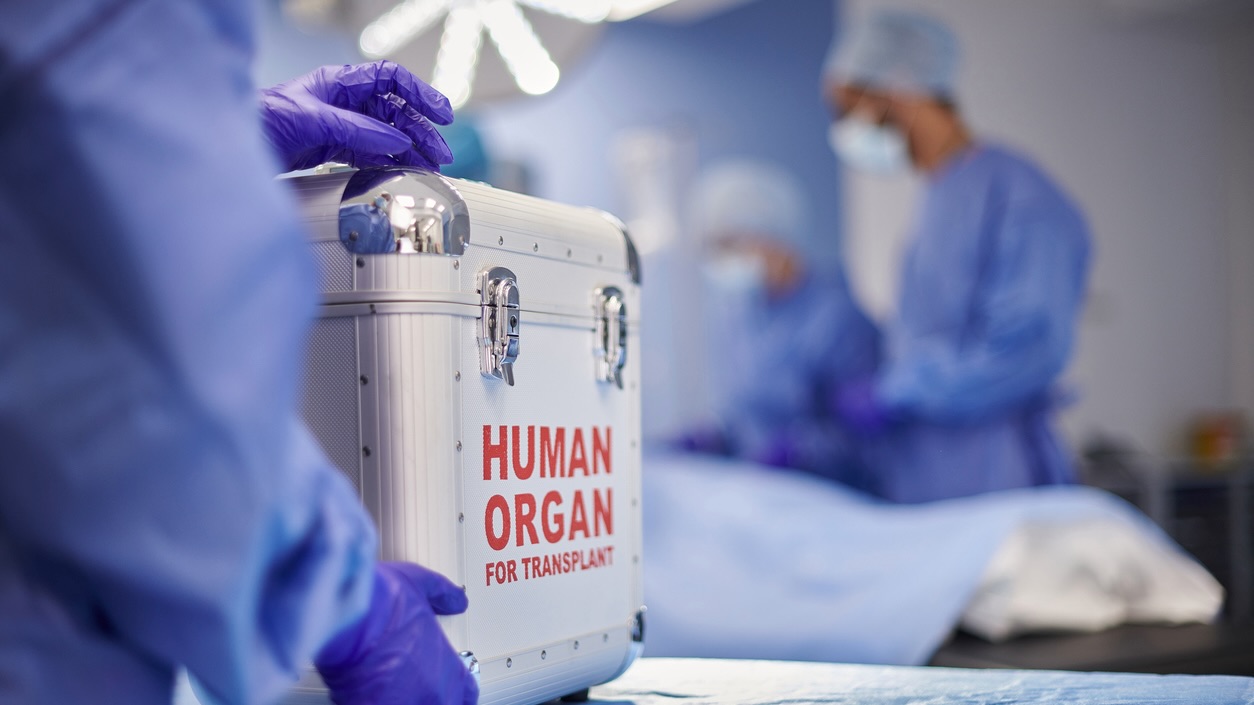
The network allegedly preyed on financially distressed people and persuaded them to part with kidneys for amounts ranging from ₹5 lakh to ₹10 lakh.

Synopsis: The arrest of Kasaragod native Mohammed Najeeb has opened up what investigators now suspect is a deeply organised organ trafficking network that allegedly used forged documents, fake kinship records and middlemen to facilitate illegal kidney transplants across Kerala and beyond. As the probe widens into possible interstate and international links, police are now examining document-forging centres, financial transactions, hospital intermediaries and transplant approvals that may have helped the racket operate undetected for months.
The arrest of Kasaragod native Mohammed Najeeb, alleged to be the central figure behind a sprawling illegal organ transplantation network operating across Kerala, is expected to trigger a state-level investigation, with a Special Investigation Team (SIT) likely to be constituted to examine suspected interstate and international links, financial transactions, forged documentation networks and the possible role of hospital intermediaries.
Najeeb, 53, was arrested in Ghaziabad, Uttar Pradesh, on Sunday, 10 May, after months of investigation by Kerala Police teams.
He is expected to be brought to his residence at Al Nihamat Manzil in Kalnad, Kasaragod, for evidence collection and detailed interrogation.
Police say the network operated for nearly three years from Pallikkara near Kizhakkambalam in Ernakulam, using forged identities, fabricated kinship records and fake government documents to secure organ transplant clearances.
So far, around nine people, including Najeeb’s wife Rasheedah, have been arrested in connection with the case.
Also Read: Two suicides, one campus, many questions! Students allege institutional apathy at CUSAT
While the initial investigation was handled within Ernakulam Rural police limits, officials have now concluded that parts of the document-forging operation were carried out from locations within Kochi city as well.
A separate case has been registered at Ambalamedu police station under Kochi City Police limits. Kochi City Police have formed a dedicated investigation team led by DCP Aswathy Jiji, with the Thrikkakara ACP also part of the probe.
Kochi City Police Commissioner K Kaliraj Mahesh Kumar said investigators would examine whether Najeeb’s reported links with influential people, including political leaders and socially prominent individuals, were used to facilitate the fraud.
Police said Najeeb is also an accused in nearly a dozen other cases, including financial fraud offences.
Ernakulam Rural SP KS Sudarshan said investigations were progressing simultaneously across at least three districts and that more accused were likely to emerge. He also confirmed that investigators were examining possible international links connected to the transplant operations.
Najeeb’s passport, mobile phone and a personal diary have been seized as part of the investigation.
According to investigators, the network preyed on financially distressed people and persuaded them to part with kidneys for amounts ranging from ₹5 lakh to ₹10 lakh.
Police suspect recipients were charged anywhere between ₹20 lakh and ₹50 lakh.
The racket allegedly operated through a sophisticated document-forging network designed to bypass India’s strict organ donation regulations.
Investigators said forged Aadhaar cards, fabricated affidavits, fake recommendation letters and manipulated identity documents were routinely created to falsely portray donors and recipients as close relatives.
Police alleged that forged seals, letterheads and signatures of MPs, MLAs, tehsildars, village officers, police officials, doctors and government departments were used to secure approvals from authorisation committees.
Investigators are also examining claims that fake phone numbers were created in the names of government officials so verification calls from transplant authorisation panels could be intercepted and manipulated.
The FIR refers to forged documents allegedly prepared in the names of several public representatives, including Hibi Eden, K Radhakrishnan, CR Kunjambu, KP Mohanan, Dalima and N Jayaraj.
Police clarified that none of the public representatives or officials named in the FIR are accused in the case. Investigators said their names, seals or signatures were allegedly forged and misused as part of the racket.
Also Read: KC vs VDS vs RC: Congress in dilemma as Kerala leadership puzzle enters final leg
Investigators said a case involving a financially struggling woman from Vadakkekkara became a turning point in exposing the wider operation.
According to police, the woman was allegedly persuaded by Najeeb’s network to donate her kidney after being promised substantial financial compensation.
District and state authorisation committees reportedly denied permission for the transplant after finding that the donor and recipient were not close relatives and that financial consideration was involved.
The woman later approached the High Court seeking reconsideration. The appeal committee again denied approval.
Police later discovered that the transplant had allegedly taken place despite the rejection, using forged records and fabricated documents.
Investigators found that the donor allegedly received around ₹9.5 lakh, while the recipient, reportedly a native of Malappuram, was charged close to ₹20 lakh.
Police are also examining whether the donor could face legal proceedings for knowingly participating in an illegal transplant arrangement.
The investigation widened after Kunnathunadu police received confidential information that forged documents linked to organ donations were being prepared at establishments in Pallikkara near Kizhakkambalam.
Police conducted searches at Sun Communications and HD Digital Studio, where they said they recovered a large cache of forged materials.
Officials described the scale of the operation as alarming.
The materials seized included fake government seals, fabricated certificates, forged recommendation letters and counterfeit hospital records.
Police also suspect that forged police verification documents linked to senior officers attached to Ambalamedu and Kunnamkulam police divisions were prepared as part of the operation.
Investigators alleged that Najeeb shared document details through WhatsApp, after which forged certificates and supporting papers were created at studios and computer centres linked to the network.
Police suspect money changed hands for preparing the forged records.
Also Read: After CM lobbying, PR battle for ministerial berths begins in Kerala
Investigators also inspected the office linked to a Kochi-based firm that claimed to help patients access treatment at major hospitals.
Police said the address at Edathala near Aluva turned out to be a small locked room that had to be forcibly opened during the inspection.
Officials now believe the office functioned only as a nominal address, while the actual operations were spread across a wider network involving agents, document handlers and middlemen.
Investigators suspect agents linked to the network identified recipients through websites and approached patients visiting hospitals for transplant-related treatment.
At the same time, financially vulnerable people were allegedly recruited as donors through promises of quick money.
A major focus of the investigation now centres on whether forged documents were accepted with the knowledge of hospital staff or intermediaries involved in transplant procedures.
Police officials said they would examine hospital-level scrutiny mechanisms, authorisation clearances and transplant approvals issued in multiple cases.
Investigators are preparing to re-examine several organ transplant cases suspected to have been facilitated using forged donor-recipient relationships and fabricated records.
Police sources said more than 10 transplant procedures carried out over the past few years are now under detailed scrutiny.
The probe, which began with irregularities detected in documents submitted before an organ donation authorisation committee in Thiruvananthapuram, has since expanded from Kollam to Ernakulam, Kasaragod and several other districts.
Officials initially noticed discrepancies in seals, signatures and certificates purportedly issued by village officers and tehsildars. The case was first registered by Kilikollur police in Kollam before widening into a larger statewide investigation.
With Najeeb now in custody, investigators are trying to determine whether the network operated beyond Kerala through interstate channels or foreign medical links.
Senior officers indicated that the SIT, once constituted, would focus on financial trails, transplant clearances, forged documentation chains, hospital procedures and the larger syndicate structure behind the illegal operations.
Also Read: IUML leader PK Kunhalikutty gains edge in Kerala Deputy CM discussions
The present investigation has also revived memories of an earlier high-profile racket that emerged from Ernakulam and was later taken over by the National Investigation Agency (NIA) because of its transnational links.
The case first surfaced in May 2024 after immigration authorities at Kochi international airport intercepted Thrissur native Sabith Nasar on his return from Iran.
Investigators later uncovered an organised network that allegedly trafficked financially vulnerable people from Kerala and several other Indian states to hospitals in Tehran for illegal kidney transplants carried out under the guise of medical tourism.
According to investigators, the syndicate targeted poor people from Kerala, Telangana, Karnataka, Andhra Pradesh and Odisha, offering them money for kidney donations while wealthy recipients were allegedly charged up to ₹50 lakh per transplant.
The probe found that forged medical papers, fabricated approvals and fake donor-recipient documents were used to facilitate surgeries abroad. Victims allegedly faced coercion after reaching foreign countries, including the seizure of passports and the withholding of promised payments.
The alleged mastermind in the case, Kochi-based Madhu Jayakumar, reportedly operated through a health club functioning as a front. He remained absconding for months before being arrested in November 2025 after returning from Iran.
The NIA later informed courts that the network had extended beyond Iran into Tajikistan, with donors from Odisha allegedly sent there for illegal transplant procedures as well.
Investigators also examined suspected cryptocurrency transactions, including Bitcoin and USDT transfers, as part of the financial trail. The probe remains ongoing.



